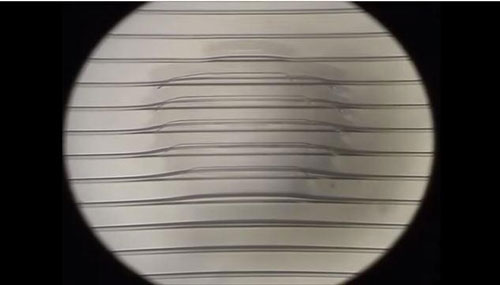
 Researchers develop materials with surface architectures - inspired by surfaces on feet of grasshoppers or frogs - that could improve the safety and reliability of tires.
Aug 24th, 2016
Read more
 A powerful new material could one day speed up the charging process of electric cars and help increase their driving range.
Aug 24th, 2016
Read more
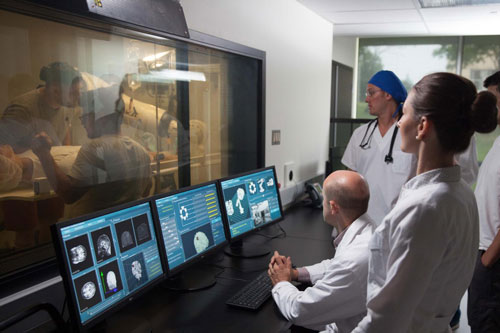 The outcome of 15 years of research, this system enables microscopic nanorobotic agents to be guided through the vascular systems of living bodies, delivering drugs to targeted areas.
Aug 24th, 2016
Read more
 Researchers show that interface engineering with layered materials is important for boosting solar cell performance.
Aug 24th, 2016
Read more
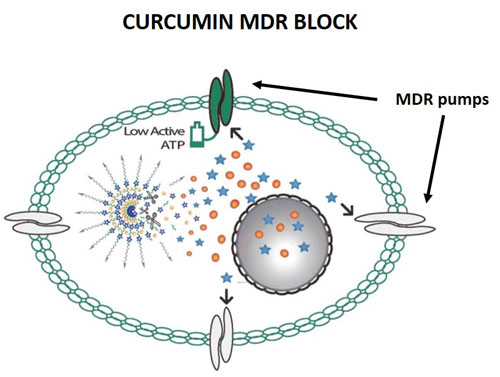 Scientists engineer multicomponent nanoparticles to deliver drugs, block cell's defense systems.
Aug 24th, 2016
Read more
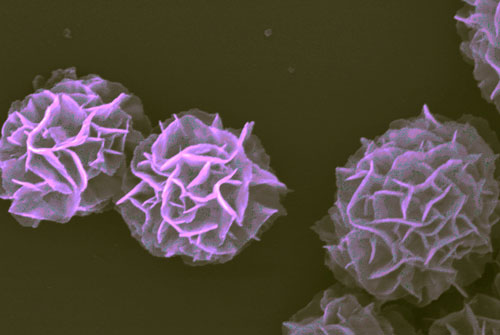 The nanovaccine helps to efficiently deliver a unique DNA sequence to immune cells - a sequence derived from bacterial DNA and used to trigger an immune reaction.
Aug 24th, 2016
Read more
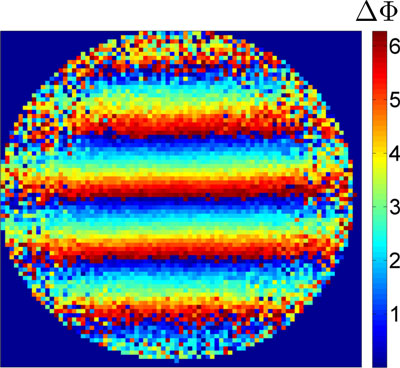 After successfully miniaturizing both clocks and magnetometers based on the properties of individual atoms, physicists have now turned to precision gyroscopes, which measure rotation.
Aug 24th, 2016
Read more
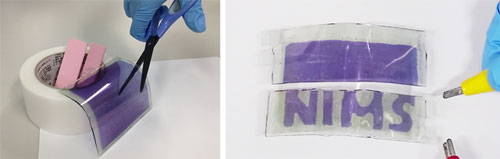 As you can cut this display into any shape you like, and attach it on the surfaces of things that has complex shapes such as clothing and buildings, the display is expected to meet diverse display needs, which cannot be achieved by conventional display technologies.
Aug 24th, 2016
Read more
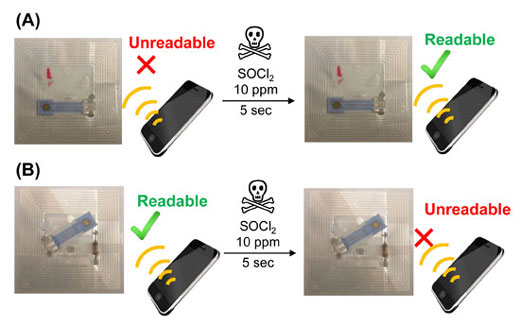 Researchers have developed a chemical sensing material whose electrical conductivity dramatically increases when exposed to toxic gases.
Aug 24th, 2016
Read more
 A nanocoating that blocks 90 per cent of the heat from sunlight could be used to develop smart windows.
Aug 24th, 2016
Read more
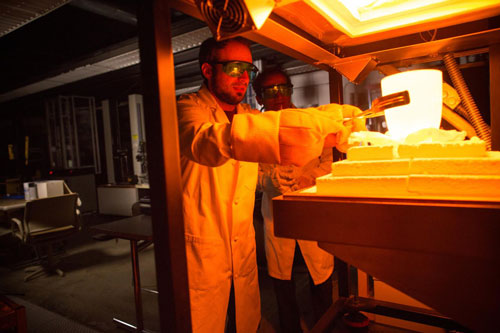 New findings published about the process involving transformations in glass that occur under intense electrical and thermal conditions could lead the way to more energy-efficient glass manufacturing.
Aug 24th, 2016
Read more
 DNA computers could one day be programmed to diagnose and treat disease.
Aug 23rd, 2016
Read more
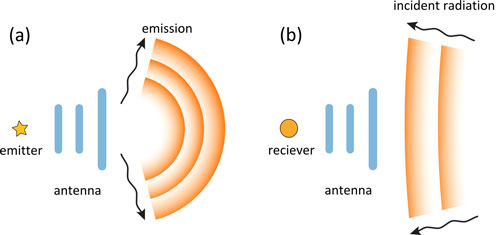 Scientists have demonstrated the potential of silicon nanoparticles for effective non-linear light manipulation. Their work lays the foundation for the development of novel optical devices with a wide range of functionalities.
Aug 23rd, 2016
Read more
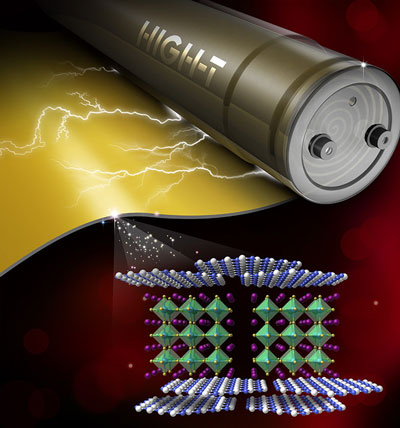 The energy-storage goal of a polymer dielectric material with high energy density, high power density and excellent charge-discharge efficiency for electric and hybrid vehicle use has been achieved by a team of materials scientists.
Aug 23rd, 2016
Read more
 A discovery in the field of biomaterials may open new frontiers in stem and cancer cell manipulation and associated advanced therapy development.
Aug 23rd, 2016
Read more
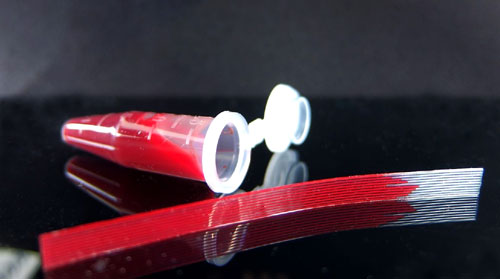 A portable power-free test for the rapid detection of bacterial resistance to antibiotics has been developed.
Aug 23rd, 2016
Read more

 Subscribe to our Nanotechnology News feed