Make Magnetic Slime: A Fun Ferrofluid Science Experiment
Time needed: 30 minutes
Difficulty level: Medium
Age range: 10+ years
Adult supervision: Required for handling strong magnets and chemicals
Difficulty level: Medium
Age range: 10+ years
Adult supervision: Required for handling strong magnets and chemicals
What You'll Learn
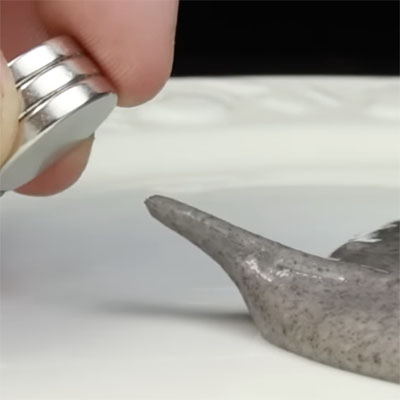
Create your own magnetic slime and discover how ferromagnetic materials interact with magnetic fields. You'll learn about magnetism, viscosity, and chemical reactions while making a fascinating substance that moves and responds to magnets!
Materials Needed
Materials collected: 0/9
Washable school glue (1/2 cup)
Water (1/2 cup)
Baking soda (1/2 teaspoon)
Contact lens solution (2 tablespoons)
Iron filings (1 tablespoon)
Neodymium magnet
Mixing bowl and spatula
Measuring spoons and cup
Disposable gloves
Optional
Where to Get Specialty Materials
Neodymium Magnets: Available from:
- Science supply stores like Home Science Tools or Carolina Biological
- Online retailers like Amazon, where they're often sold as craft or hobby magnets
- Hardware stores, sometimes in their specialty fasteners section
- Educational supply stores
Iron Filings: Available from:
- Science supply stores like Home Science Tools, Carolina Biological, or Educational Innovations
- Some craft stores in their science project section
- Online educational suppliers
- Some teacher supply stores
Important Note: When ordering magnets online, be aware that very strong magnets may have shipping restrictions. Some carriers require special packaging or ground shipping only.
Safety Notes
Neodymium magnets are very strong - keep away from electronics and credit cards
Wear gloves when handling iron filings and slime
Adult supervision required - not suitable for young children
Step-by-Step Instructions
1
Mix water and glue in the bowl
Combine 1/2 cup water with 1/2 cup glue
2
Add and mix in baking soda
Stir in 1/2 teaspoon baking soda until completely dissolved
3
Add contact lens solution and knead
Add 2 tablespoons solution and knead until less sticky
4
Mix in iron filings
Knead in 1 tablespoon iron filings until evenly distributed
5
Experiment with the magnet
Slowly bring the magnet near the slime and observe
Try lifting the magnet to make the slime "climb"
Move the magnet around to "steer" the slime
Watch It In Action
Watch how the magnetic slime reacts to the neodymium magnet and learn about the science behind this fascinating material in this demonstration video.
The Science Behind It
Iron filings are ferromagnetic materials that can be temporarily magnetized by a nearby magnetic field.
The slime's viscosity allows it to move slowly at first, but the magnetic force becomes stronger as it gets closer to the magnet.
The boric acid in contact solution reacts with PVA in the glue to create cross-linked polymer chains, forming the slime's structure.
Common Questions
Why does my slime turn brown over time?
This happens because the iron filings naturally rust when exposed to air and moisture. Make a fresh batch when this occurs.
Can I use regular magnets instead of neodymium magnets?
While regular magnets will work, neodymium magnets are much stronger and create more dramatic effects with the slime.
What if my slime is too sticky?
Add more contact lens solution, a little at a time, and continue kneading until desired consistency is reached.
Take It Further
- Experiment with different amounts of iron filings to see how it affects the slime's magnetic properties
- Try using multiple magnets to create complex movements in the slime
- Test how temperature affects the slime's behavior with magnets
- Compare how different types of magnets interact with the slime
Related Experiments
If you enjoyed this experiment, try these next:
- Oobleck - Another fascinating unusal substance
- Static Electricity - Another experiment involving an invisible force