

Organoids: Miniature Organs Transforming Biomedical Research
What are Organoids?
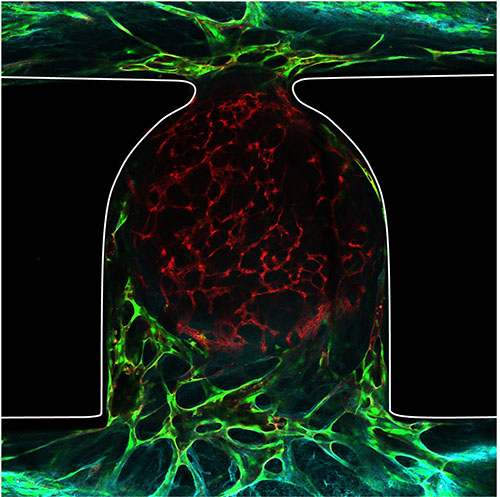
Organoids are three-dimensional, miniaturized, and simplified versions of organs produced in vitro from stem cells or organ-specific progenitor cells. They recapitulate key structural and functional aspects of their corresponding organs, offering a powerful tool for studying organ development, disease modeling, drug screening, and personalized medicine.
Key Features of Organoids
Organoids possess several key features that make them valuable for biomedical research:
- 3D Structure: Organoids grow in three dimensions, allowing them to recapitulate the complex spatial organization and cell-cell interactions found in native organs.
- Multiple Cell Types: Organoids can contain multiple cell types found in the corresponding organ, enabling the study of cellular interactions and tissue-level functions.
- Organ-Specific Functions: Organoids can exhibit organ-specific functions, such as secretion, absorption, or contractility, depending on the organ they represent.
- Genetic Stability: Organoids can maintain genetic stability over extended periods of culture, making them suitable for long-term studies and disease modeling.
Types of Organoids
Organoids can be derived from various cell sources and can represent different organs, including:
Brain Organoids
Brain organoids, also known as cerebral organoids, are derived from human pluripotent stem cells and recapitulate key features of the developing human brain. They contain multiple brain regions and cell types, making them valuable for studying brain development, neurological disorders, and drug screening.
Intestinal Organoids
Intestinal organoids, also called mini-guts, are derived from adult stem cells found in the intestinal epithelium. They contain the main cell types of the intestinal lining and can model intestinal diseases, such as inflammatory bowel disease and colorectal cancer.
Liver Organoids
Liver organoids can be derived from adult liver stem cells or induced pluripotent stem cells. They exhibit key functions of liver cells, such as drug metabolism and bile secretion, making them useful for studying liver diseases, drug toxicity, and regenerative medicine.
Other Organoids
Organoids have been developed for various other organs, including the kidney, lung, pancreas, prostate, and retina. Each type of organoid offers unique opportunities for studying organ-specific biology, diseases, and therapies.
Applications of Organoids
Organoids have diverse applications in biomedical research and translational medicine:
Disease Modeling
Organoids derived from patient-specific stem cells can be used to model genetic diseases, allowing researchers to study disease mechanisms and test potential therapies in a personalized manner. For example, brain organoids from patients with neurological disorders can provide insights into disease pathology and help identify new drug targets.
Drug Screening and Toxicity Testing
Organoids can serve as a platform for high-throughput drug screening and toxicity testing, reducing the need for animal models and improving the predictive value of preclinical studies. Liver organoids, for instance, can be used to assess drug metabolism and hepatotoxicity before moving to clinical trials.
Regenerative Medicine
Organoids have the potential to be used as a source of cells or tissues for regenerative medicine applications. For example, intestinal organoids could be used to treat inflammatory bowel disease by replacing damaged tissue with healthy, patient-derived organoids.
Developmental Biology
Organoids provide a unique opportunity to study organ development in a simplified and accessible system. Researchers can use organoids to investigate the molecular mechanisms governing cell fate, patterning, and morphogenesis during organ development.
Challenges and Future Perspectives
Despite the remarkable progress in organoid technology, several challenges remain. One major challenge is the lack of vascularization in current organoid systems, which limits their size and complexity. Researchers are working on strategies to incorporate blood vessels into organoids, which would enhance their growth and functionality.
Another challenge is the variability and reproducibility of organoid cultures. Efforts are underway to standardize organoid production and characterization to improve consistency across different laboratories and enable more reliable comparisons of research findings.
Future developments in organoid technology may include the creation of more complex, multi-organ systems that capture the interactions between different tissues. Such systems could revolutionize drug testing and disease modeling by providing a more holistic view of human physiology.
Moreover, the integration of organoids with other cutting-edge technologies, such as organ-on-a-chip devices, single-cell sequencing, and CRISPR gene editing, will further expand their applications in basic and translational research.
Further Reading
Journal of Cell Biology, Organoids: A Historical Perspective of Thinking in Three Dimensions
New England Journal of Medicine, Organoids — preclinical models of human disease
Intestinal organoids, also called mini-guts, are derived from adult stem cells found in the intestinal epithelium. They contain the main cell types of the intestinal lining and can model intestinal diseases, such as inflammatory bowel disease and colorectal cancer.
Liver Organoids
Liver organoids can be derived from adult liver stem cells or induced pluripotent stem cells. They exhibit key functions of liver cells, such as drug metabolism and bile secretion, making them useful for studying liver diseases, drug toxicity, and regenerative medicine.
Other Organoids
Organoids have been developed for various other organs, including the kidney, lung, pancreas, prostate, and retina. Each type of organoid offers unique opportunities for studying organ-specific biology, diseases, and therapies.
Applications of Organoids
Organoids have diverse applications in biomedical research and translational medicine:
Disease Modeling
Organoids derived from patient-specific stem cells can be used to model genetic diseases, allowing researchers to study disease mechanisms and test potential therapies in a personalized manner. For example, brain organoids from patients with neurological disorders can provide insights into disease pathology and help identify new drug targets.
Drug Screening and Toxicity Testing
Organoids can serve as a platform for high-throughput drug screening and toxicity testing, reducing the need for animal models and improving the predictive value of preclinical studies. Liver organoids, for instance, can be used to assess drug metabolism and hepatotoxicity before moving to clinical trials.
Regenerative Medicine
Organoids have the potential to be used as a source of cells or tissues for regenerative medicine applications. For example, intestinal organoids could be used to treat inflammatory bowel disease by replacing damaged tissue with healthy, patient-derived organoids.
Developmental Biology
Organoids provide a unique opportunity to study organ development in a simplified and accessible system. Researchers can use organoids to investigate the molecular mechanisms governing cell fate, patterning, and morphogenesis during organ development.
Challenges and Future Perspectives
Despite the remarkable progress in organoid technology, several challenges remain. One major challenge is the lack of vascularization in current organoid systems, which limits their size and complexity. Researchers are working on strategies to incorporate blood vessels into organoids, which would enhance their growth and functionality.
Another challenge is the variability and reproducibility of organoid cultures. Efforts are underway to standardize organoid production and characterization to improve consistency across different laboratories and enable more reliable comparisons of research findings.
Future developments in organoid technology may include the creation of more complex, multi-organ systems that capture the interactions between different tissues. Such systems could revolutionize drug testing and disease modeling by providing a more holistic view of human physiology.
Moreover, the integration of organoids with other cutting-edge technologies, such as organ-on-a-chip devices, single-cell sequencing, and CRISPR gene editing, will further expand their applications in basic and translational research.
Further Reading
Journal of Cell Biology, Organoids: A Historical Perspective of Thinking in Three Dimensions
New England Journal of Medicine, Organoids — preclinical models of human disease
Organoids have been developed for various other organs, including the kidney, lung, pancreas, prostate, and retina. Each type of organoid offers unique opportunities for studying organ-specific biology, diseases, and therapies.
Applications of Organoids
Organoids have diverse applications in biomedical research and translational medicine:
Disease Modeling
Organoids derived from patient-specific stem cells can be used to model genetic diseases, allowing researchers to study disease mechanisms and test potential therapies in a personalized manner. For example, brain organoids from patients with neurological disorders can provide insights into disease pathology and help identify new drug targets.
Drug Screening and Toxicity Testing
Organoids can serve as a platform for high-throughput drug screening and toxicity testing, reducing the need for animal models and improving the predictive value of preclinical studies. Liver organoids, for instance, can be used to assess drug metabolism and hepatotoxicity before moving to clinical trials.
Regenerative Medicine
Organoids have the potential to be used as a source of cells or tissues for regenerative medicine applications. For example, intestinal organoids could be used to treat inflammatory bowel disease by replacing damaged tissue with healthy, patient-derived organoids.
Developmental Biology
Organoids provide a unique opportunity to study organ development in a simplified and accessible system. Researchers can use organoids to investigate the molecular mechanisms governing cell fate, patterning, and morphogenesis during organ development.
Challenges and Future Perspectives
Despite the remarkable progress in organoid technology, several challenges remain. One major challenge is the lack of vascularization in current organoid systems, which limits their size and complexity. Researchers are working on strategies to incorporate blood vessels into organoids, which would enhance their growth and functionality.
Another challenge is the variability and reproducibility of organoid cultures. Efforts are underway to standardize organoid production and characterization to improve consistency across different laboratories and enable more reliable comparisons of research findings.
Future developments in organoid technology may include the creation of more complex, multi-organ systems that capture the interactions between different tissues. Such systems could revolutionize drug testing and disease modeling by providing a more holistic view of human physiology.
Moreover, the integration of organoids with other cutting-edge technologies, such as organ-on-a-chip devices, single-cell sequencing, and CRISPR gene editing, will further expand their applications in basic and translational research.
Further Reading
Journal of Cell Biology, Organoids: A Historical Perspective of Thinking in Three Dimensions
New England Journal of Medicine, Organoids — preclinical models of human disease
Organoids can serve as a platform for high-throughput drug screening and toxicity testing, reducing the need for animal models and improving the predictive value of preclinical studies. Liver organoids, for instance, can be used to assess drug metabolism and hepatotoxicity before moving to clinical trials.
Regenerative Medicine
Organoids have the potential to be used as a source of cells or tissues for regenerative medicine applications. For example, intestinal organoids could be used to treat inflammatory bowel disease by replacing damaged tissue with healthy, patient-derived organoids.
Developmental Biology
Organoids provide a unique opportunity to study organ development in a simplified and accessible system. Researchers can use organoids to investigate the molecular mechanisms governing cell fate, patterning, and morphogenesis during organ development.
Challenges and Future Perspectives
Despite the remarkable progress in organoid technology, several challenges remain. One major challenge is the lack of vascularization in current organoid systems, which limits their size and complexity. Researchers are working on strategies to incorporate blood vessels into organoids, which would enhance their growth and functionality.
Another challenge is the variability and reproducibility of organoid cultures. Efforts are underway to standardize organoid production and characterization to improve consistency across different laboratories and enable more reliable comparisons of research findings.
Future developments in organoid technology may include the creation of more complex, multi-organ systems that capture the interactions between different tissues. Such systems could revolutionize drug testing and disease modeling by providing a more holistic view of human physiology.
Moreover, the integration of organoids with other cutting-edge technologies, such as organ-on-a-chip devices, single-cell sequencing, and CRISPR gene editing, will further expand their applications in basic and translational research.
Further Reading
Journal of Cell Biology, Organoids: A Historical Perspective of Thinking in Three Dimensions
New England Journal of Medicine, Organoids — preclinical models of human disease
Organoids provide a unique opportunity to study organ development in a simplified and accessible system. Researchers can use organoids to investigate the molecular mechanisms governing cell fate, patterning, and morphogenesis during organ development.
Challenges and Future Perspectives
Despite the remarkable progress in organoid technology, several challenges remain. One major challenge is the lack of vascularization in current organoid systems, which limits their size and complexity. Researchers are working on strategies to incorporate blood vessels into organoids, which would enhance their growth and functionality.
Another challenge is the variability and reproducibility of organoid cultures. Efforts are underway to standardize organoid production and characterization to improve consistency across different laboratories and enable more reliable comparisons of research findings.
Future developments in organoid technology may include the creation of more complex, multi-organ systems that capture the interactions between different tissues. Such systems could revolutionize drug testing and disease modeling by providing a more holistic view of human physiology.
Moreover, the integration of organoids with other cutting-edge technologies, such as organ-on-a-chip devices, single-cell sequencing, and CRISPR gene editing, will further expand their applications in basic and translational research.
Further Reading
Journal of Cell Biology, Organoids: A Historical Perspective of Thinking in Three Dimensions
New England Journal of Medicine, Organoids — preclinical models of human disease
