Stem Cells: The Building Blocks of Life and Medicine
What are Stem Cells?
Stem cells are unspecialized cells that have the remarkable ability to develop into various types of cells in the body. They serve as a repair system, dividing essentially without limit to replenish other cells. When a stem cell divides, each new cell has the potential to either remain a stem cell or become another type of cell with a more specialized function, such as a muscle cell, a red blood cell, or a brain cell.
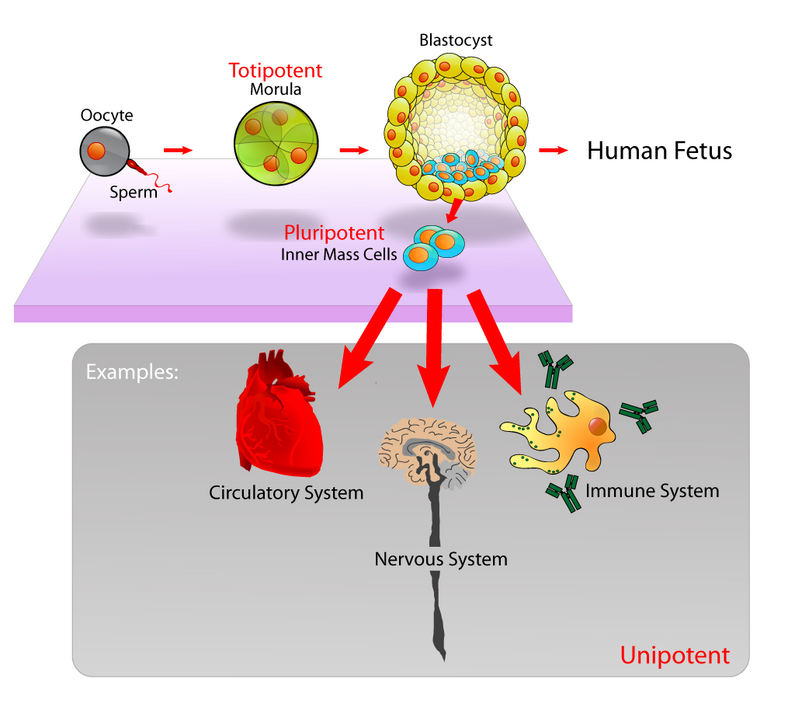
Types of Stem Cells
There are several types of stem cells, each with different characteristics and potential uses:
Embryonic Stem Cells
Embryonic stem cells come from embryos that are three to five days old. At this stage, an embryo is called a blastocyst and has about 150 cells. These stem cells are pluripotent, meaning they can divide into more stem cells or can become any type of cell in the body. This versatility allows embryonic stem cells to be used to regenerate or repair diseased tissue and organs.
Adult Stem Cells
Adult stem cells are found in small numbers in most adult tissues, such as bone marrow or fat. Compared with embryonic stem cells, adult stem cells have a more limited ability to give rise to various cells of the body. Until recently, researchers thought adult stem cells could create only similar types of cells. For instance, researchers thought that stem cells residing in the bone marrow could give rise only to blood cells. However, emerging evidence suggests that adult stem cells may be able to create unrelated types of cells. For instance, bone marrow stem cells may be able to create bone or heart muscle cells.
Induced Pluripotent Stem Cells
Scientists have successfully transformed regular adult cells into stem cells using genetic reprogramming. By altering the genes in the adult cells, researchers can reprogram the cells to act similarly to embryonic stem cells. This new type of stem cell, called induced pluripotent stem cells (iPSCs), will be useful in drug development and modeling of diseases, and could also be used in transplantation medicine. However, much work remains to be done to resolve safety issues before these cells can be used for transplantation into humans.
Stem Cell Research
Studying stem cells will help us understand how they transform into the dazzling array of specialized cells that make us what we are. Some of the most serious medical conditions, such as cancer and birth defects, are due to problems that occur somewhere in this process. A better understanding of normal cell development will allow us to understand and perhaps correct the errors that cause these medical conditions.
Some of the potential uses of stem cells include:
- Generating healthy cells to replace diseased cells (regenerative medicine)
- Studying disease development to better understand its mechanisms
- Testing new drugs for safety and effectiveness
Stem Cell Therapies
Stem cell therapy, also known as regenerative medicine, promotes the repair response of diseased, dysfunctional or injured tissue using stem cells or their derivatives. It is the next chapter in organ transplantation and uses cells instead of donor organs, which are limited in supply.
Researchers grow stem cells in a lab. These stem cells are manipulated to specialize into specific types of cells, such as heart muscle cells, blood cells or nerve cells. The specialized cells can then be implanted into a person. For example, if the person has heart disease, the cells could be injected into the heart muscle. The healthy transplanted heart muscle cells could then contribute to repairing defective heart muscle.
Current Clinical Trials and Advancements
Numerous clinical trials are underway to explore the efficacy of stem cell therapies for conditions like Parkinson's disease, spinal cord injuries, and heart disease. Recent advancements include the development of organoids and the use of CRISPR technology to edit stem cell genomes, paving the way for personalized medicine.
Ethical Considerations
The use of embryonic stem cells raises ethical concerns as it involves the destruction of embryos. These ethical issues are the subject of ongoing debate and have led to varying regulations worldwide. Advances in induced pluripotent stem cells offer a potential alternative, reducing ethical dilemmas by reprogramming adult cells.
Challenges and Future Perspectives
While stem cell research offers significant potential for treating diseases and helping us understand human development, there are still many technical hurdles that need to be overcome before new therapies will be widely available.
One major problem is that stem cells from a donor can cause an immune response in the recipient, leading to rejection of the transplanted cells. Scientists are working on ways to avoid this, such as using the patient's own cells to generate pluripotent stem cells or modifying donor cells to evade immune detection.
Future research will focus on further understanding the properties and potential of stem cells, developing more efficient ways to guide stem cell specialization into desired cell types, and establishing safe and effective methods for transplanting stem cell-derived cells into patients. With continued progress in stem cell research, the future looks very promising for this exciting field of biomedical science.
Further Reading
Nature, How iPS cells changed the world
Orthopedic Reviews, Stem cells: a comprehensive review of origins and emerging clinical roles in medical practice
Stem Cell Research & Therapy, Stem Cells: Past, Present, and Future
Adult stem cells are found in small numbers in most adult tissues, such as bone marrow or fat. Compared with embryonic stem cells, adult stem cells have a more limited ability to give rise to various cells of the body. Until recently, researchers thought adult stem cells could create only similar types of cells. For instance, researchers thought that stem cells residing in the bone marrow could give rise only to blood cells. However, emerging evidence suggests that adult stem cells may be able to create unrelated types of cells. For instance, bone marrow stem cells may be able to create bone or heart muscle cells.