

Biotechnology News – Latest Headlines
 Subscribe to our Biotechnology News feed
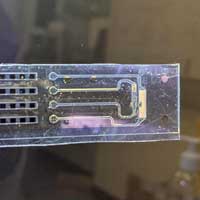
Bioelectronic device achieves unprecedented control of cell membrane voltage
Driven by a machine learning algorithm, the closed-loop biohybrid device maintained a set membrane voltage in human stem cells for 10 hours.
September 24, 2020 Read more

E. coli bacteria offer path to improving photosynthesis
Scientists have engineered a key plant enzyme and introduced it in Escherichia coli bacteria in order to create an optimal experimental environment for studying how to speed up photosynthesis, a holy grail for improving crop yields.
September 22, 2020 Read more
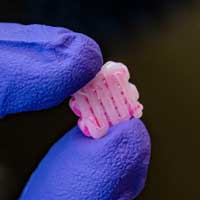
AI could expand healing with bioscaffolds
A dose of artificial intelligence can speed the development of 3D-printed bioscaffolds that help injuries heal.
September 21, 2020 Read more
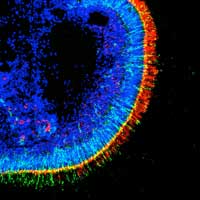
Scientists create functional human retinas in a dish
Scientists have generated accurate replications of human retinas in culture that can be used to pinpoint the specific types of cells affected by genetic eye diseases. The culmination of a six-year effort, this achievement will accelerate progress in developing new therapies.
September 21, 2020 Read more
Engineered bacteria churn out cancer biomarkers
Scientists have commandeered simple, single-celled microorganisms - namely E. coli bacteria - and engineering them to explore the complex process of glycosylation and the functional role that protein-linked glycans play in health and disease.
September 16, 2020 Read more
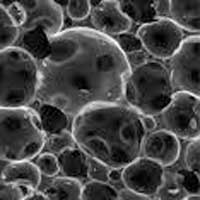
Researchers create better material for wearable biosensors
Biosensors that are wearable on human skin or safely used inside the body are increasingly prevalent for both medical applications and everyday health monitoring. Finding the right materials to bind the sensors together and adhere them to surfaces is also an important part of making this technology better.
September 16, 2020 Read more
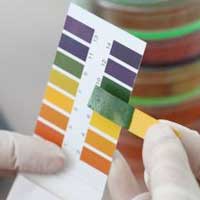
Novel virus-based colorimetric sensor can show true colors of airborne threats
Scientists employ genetically engineered viruses to produce intuitive color-coded sensors for detecting airborne chemicals.
September 11, 2020 Read more
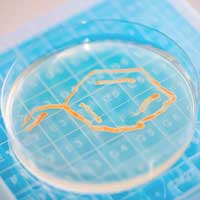
Tiny helpers turn waste into valuable materials
Microorganisms equipped with the genetic blueprints for certain enzymes act as sustainable chemical factories.
September 10, 2020 Read more
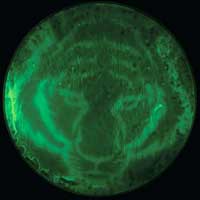
Flipping light on-off turns bacteria into chemical factories
Working in E. coli, the workhorse organism for scientists to engineer metabolism, researchers developed a system for controlling one of the key genetic circuits needed to turn bacteria into chemical factories that produce valuable compounds such as the biofuel isobutanol.
September 9, 2020 Read more

Engineers turn pineapple leaves into biodegradable aerogels for food preservation and wastewater treatment
When coated with specific chemicals, these biodegradable aerogels that can be used to keep fruits and vegetables for a longer period, and to remove toxic metals from wastewater, among a wide range of other applications.
September 8, 2020 Read more
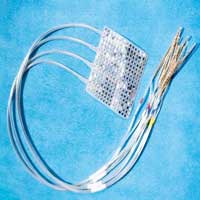
First 'plug and play' brain prosthesis demoed in paralyzed person
Stable recordings let brain and machine learning system build 'partnership' over time.
September 7, 2020 Read more
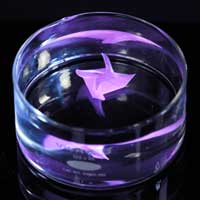
Wool-like material can remember and change shape
Researchers have developed a biocompatible material that can be 3D-printed into any shape and pre-programmed with reversible shape memory.
September 4, 2020 Read more
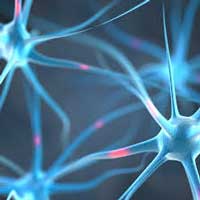
Researchers create neurons that can be integrated into human brain tissue
Scientists have demonstrated that neurons can be generated from skin cells of a human donor using a cellular reprograming technology. According to the obtained results, these neurons are able to integrate into human brain tissue when transplanted into a small piece of the brain from a human donor.
August 27, 2020 Read more
Making enzymes fit for industrial applications
Researchers have developed new techniques for efficiently coupling bacterial enzymes to electrodes and also designed a hydrogen/oxygen biofuel cell based on a hydrogenase enzyme.
August 26, 2020 Read more
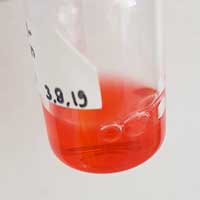
Dyes from atmospheric CO2
Combined electrochemical-biotechnological processes provide a new way of using CO2 as a raw material for producing fuels and chemicals.
August 19, 2020 Read more
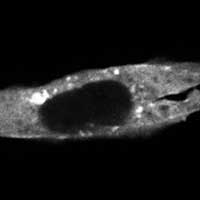
New tools catch and release molecules at the flip of a light switch
Researchers developed a class of light-switchable, highly adaptable molecular tools with new capabilities to control cellular activities. The antibody-like proteins, called OptoBinders, allow researchers to rapidly control processes inside and outside of cells by directing their localization, with potential applications including protein purification, the improved production of biofuels, and new types of targeted cancer therapies.
August 13, 2020 Read more
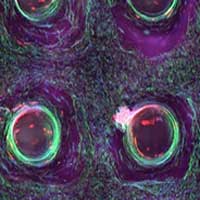
New microrobot with in situ, in vivo bioprinting offers promise for gastric wounds
Researchers have taken the first step towards a new way of treating gastric wounds by using a microrobot combined with the new concept of 'in situ in vivo bioprinting' to carry out tissue repair inside the body.
August 12, 2020 Read more
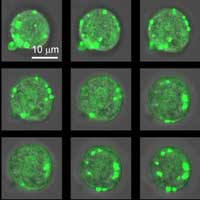
Researchers create artificial organelles to control cellular behavior
New form of synthetic biology for controlling cellular behavior uses intrinsically disordered proteins.
August 4, 2020 Read more