

Cleantech and Environmental News – Latest Headlines
 Subscribe to our Cleantech News feed
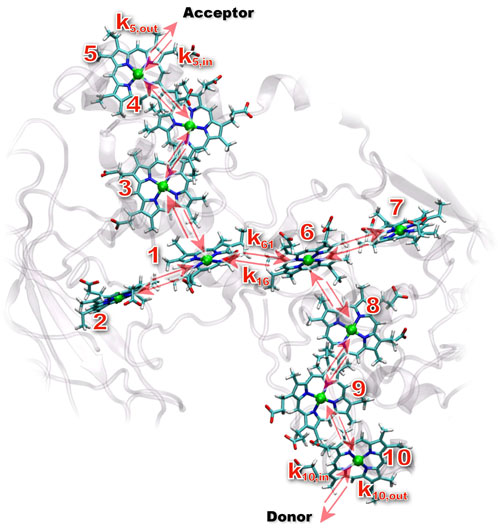
Hugging hemes help electrons hop
Novel biological mechanism relays electrons in proteins in mineral-breathing bacteria important for energy-related research.
January 15, 2014 Read more
Global food markets: Climate impacts would be more costly than bioenergy effects
Ambitious greenhouse-gas mitigation consistent with the 2 degrees target is likely to require substantial amounts of bioenergy as part of the future energy mix. Though this does not come without risks, global food markets would be affected much more by unmitigated climate change than by an increased bioenergy demand, a study led by scientists from the Potsdam Institute for Climate Impact Research (PIK) now finds.
January 15, 2014 Read more

Researchers harness sun's energy during day for use at night
Researchers have built a system that converts the sun's energy not into electricity but hydrogen fuel and stores it for later use, allowing us to power our devices long after the sun goes down.
January 14, 2014 Read more
There's more to biofuel production than yield
When it comes to biofuels, corn leads the all-important category of biomass yield. However, focusing solely on yield comes at a high price, scientists say.
January 13, 2014 Read more
Climate engineering - what do the public think?
Members of the public have a negative view of climate engineering, the deliberate large-scale manipulation of the environment to counteract climate change, according to a new study.
January 13, 2014 Read more
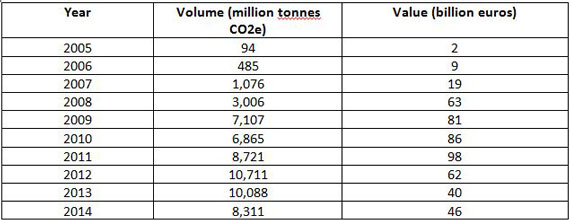
Value of the world's carbon markets to rise again in 2014
The first annual increase in carbon market trading values since 2011 will owe much to European Union action to delay allowance auctions.
January 10, 2014 Read more
European Parliament calls for a 2030 binding target for renewables
In a draft resolution, the European Parliament Committees on Industry, Research and Energy (ITRE) and on Environment, Public Health and Food Safety (ENVI) call for an ambitious and legally-binding 2030 target for renewable energies.
January 10, 2014 Read more
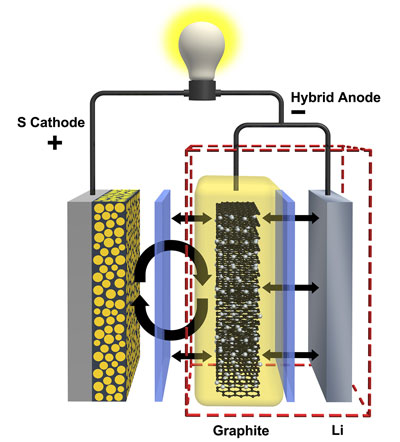
Battery development may extend range of electric cars
New anode quadruples life of lithium-sulfur battery, could also help store renewable energy more cheaply.
January 9, 2014 Read more
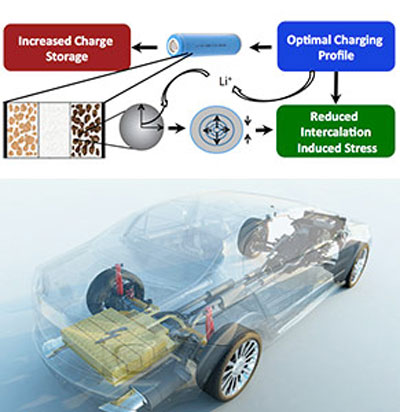
Engineers provide free code to help build better batteries
Researchers have developed a way for lithium-ion battery developers to determine in early stages whether a new material for the batteries will work. The team developed a freely available code that battery developers can use as a model to determine the optimal profile needed to charge a lithium-ion battery as well as any stresses that might be put on the materials used.
January 9, 2014 Read more
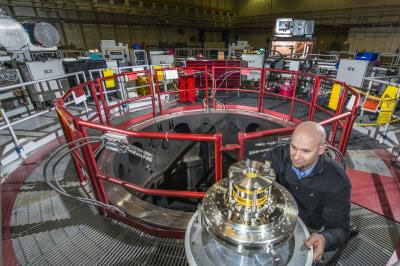
Fusion instabilities lessened by unexpected effect
Introducition of a secondary, weaker magnetic field into a fusion experiment at Sandia's Z machine unexpectedly reduced the plasma disturbance that customarily sinks fusion efforts.
January 9, 2014 Read more
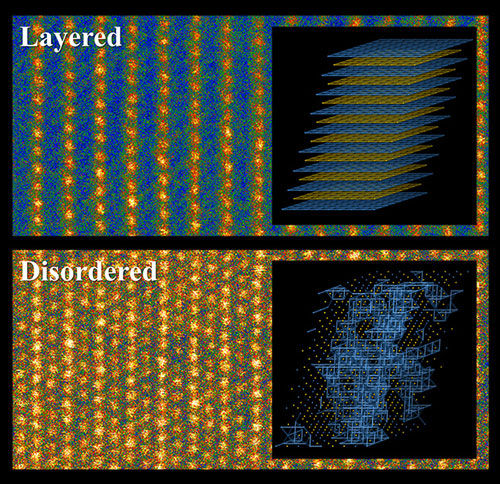
Disordered materials hold promise for better batteries
Researchers find that contrary to conventional wisdom, cathodes made of disordered lithium compounds can perform better than perfectly ordered ones.
January 9, 2014 Read more
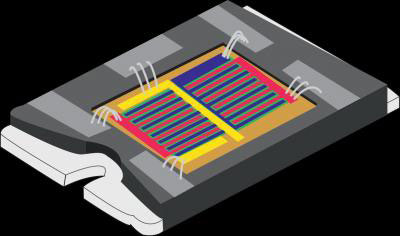
$3 million ARPA-E grant to raise efficiency, lower cost of power grid
The award is one of 14 that are receiving a total of $27 million from the agency's SWITCHES program (Strategies for Wide-Bandgap, Inexpensive Transistors for Controlling High-Efficiency Systems) to find innovative ways to lower the cost and improve the efficiency of power electronics.
January 8, 2014 Read more
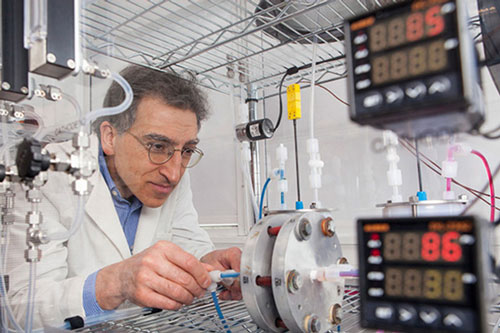
Metal-free flow battery offers renewable energy breakthrough
A team of Harvard scientists and engineers has demonstrated a new type of battery that could fundamentally transform the way electricity is stored on the grid, making power from renewable energy sources such as wind and sun far more economical and reliable.
January 8, 2014 Read more
An improved, cost-effective catalyst for water-splitting devices
Scientists at EPFL have created a simple and scalable technique for greatly improving water splitting as a source of clean energy.
January 8, 2014 Read more
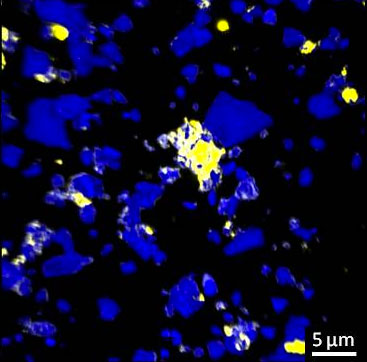
Climate change: How does soil store CO2?
Scientists have now discovered how organic carbon is stored in soil. Basically, the carbon only binds to certain soil structures. This means that soil's capacity to absorb CO2 needs to be re-assessed and incorporated into today's climate models.
January 8, 2014 Read more
Researchers find a new cellulose digestion mechanism by a fast-eating enzyme
Researchers at the Energy Department's National Renewable Energy Laboratory have discovered that an enzyme from a microorganism first found in the Valley of Geysers on the Kamchatka Peninsula in Russia in 1990 can digest cellulose almost twice as fast as the current leading component cellulase enzyme on the market.
January 7, 2014 Read more
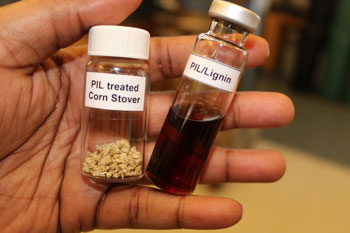
New, simple technique may drive down biofuel production costs
Researchers at North Carolina State University have developed a simple, effective and relatively inexpensive technique for removing lignin from the plant material used to make biofuels, which may drive down the cost of biofuel production.
January 7, 2014 Read more
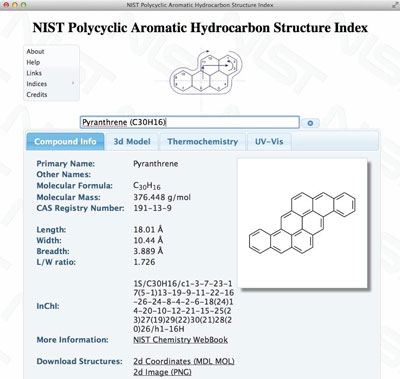
The Polycyclic Aromatic Hydrocarbon Structure Index online database
Recently, a new website containing a wealth of information on polycyclic aromatic hydrocarbons (PAHs) was made publicly available by NIST. PAHs are compounds that are produced during the combustion of hydrocarbon fuels and have significant adverse health and environmental effects. The website contains data on more than 650 PAH compounds, with many more to be added in the near future.
January 7, 2014 Read more