Making Frost: Salt and Ice Science Experiment
Time needed: 10-15 minutes
Difficulty level: Easy
Age range: 6+ years
Adult supervision: Recommended for handling ice and salt
Difficulty level: Easy
Age range: 6+ years
Adult supervision: Recommended for handling ice and salt
What You'll Learn
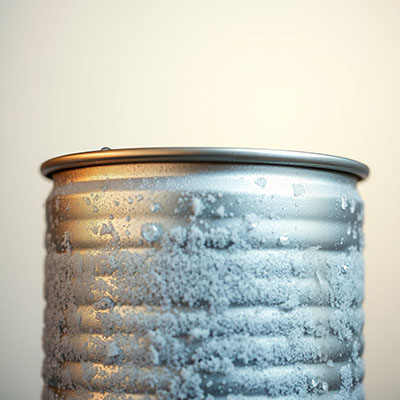
Watch frost form before your eyes as you learn about deposition – the process where water vapor transforms directly into ice crystals. You'll discover how salt affects freezing temperatures and see the same process that creates frost on your windows and plants on cold mornings.
Materials Needed
Materials collected: 0/4
Clean tin can
Salt
Ice
Water
Safety Notes
Handle ice carefully to avoid cold burns
Be careful not to get salt in eyes - wash hands after handling
Handle tin can edges with care to avoid cuts
Step-by-Step Instructions
1
Crush your ice into small pieces
2
Put the crushed ice into your clean tin can
Add cold water until the can is about half full
3
Add several spoonfuls of salt to the ice water mixture
4
Watch as frost begins to form on the outside of the can
Watch It In Action
Watch this experiment demonstrated step by step. Notice how quickly the frost forms on the outside of the tin can after adding the salt to the ice water mixture.
The Science Behind It
Salt lowers the melting point of ice, creating a super-cold mixture below 0°C (32°F).
The extremely cold surface of the can causes water vapor in the air to transform directly into ice crystals - a process called deposition.
This is the same process that creates frost on cold windows and plants on winter mornings.
Common Questions
Why doesn't frost form without the salt?
Ice water alone isn't cold enough. Salt lowers the temperature below freezing, making it cold enough for frost to form.
How long should it take to see frost?
You should see frost beginning to form within 2-3 minutes after adding salt to the mixture.
Does the type of salt matter?
Regular table salt works fine, though rock salt or road salt will also work. The key is using enough salt to lower the temperature significantly.
Take It Further
- Try different amounts of salt to see how it affects frost formation speed
- Compare different types of salt to see if they work differently
- Measure the temperature of the mixture with a thermometer
- Try the experiment in different humidity conditions
Related Experiments
If you enjoyed this experiment, try these next:
- Cloud in a Glass - Another fun experiment with water state changes
- Growing Crystals - Explore crystal formation with common sugar