
Best Smart Home Devices for Independent Seniors
Content
Key Takeaways About Smart Home Technology for Seniors
- Purpose: Smart home technology enables aging in place by enhancing safety, comfort, and independence for seniors while providing peace of mind for caregivers
- Essential Devices: Emergency response systems, smart security, smoke/CO detectors, medication dispensers, and voice-controlled assistants form the foundation of a senior-friendly smart home
- Safety Features: Fall detection, activity monitoring, automated lighting, smart locks, and emergency alert systems significantly reduce common risks facing older adults
- Health Benefits: Smart medication dispensers, wearable health trackers, and remote monitoring capabilities help manage chronic conditions and maintain wellness routines
- Accessibility: Voice control through smart speakers eliminates the need for physical interaction with many devices, making home management easier for those with mobility or vision limitations
- Implementation Cost: A basic senior-focused smart home setup typically costs $500-1,500 plus potential monthly monitoring fees of $15-50
- Key Consideration: The most effective smart home systems balance monitoring capabilities with respect for privacy and independence
Empowering Senior Independence Through Smart Home Technology
As our population ages, families face important decisions about how to support elderly loved ones who experience the common challenges of aging—reduced vision, hearing loss, decreased mobility, and increased fall risks. These limitations can make daily tasks difficult and potentially dangerous.
While many consider retirement communities or assisted living facilities, today's smart home innovations offer compelling alternatives that allow seniors to maintain their independence, dignity, and familiar surroundings. Smart Home technologies create safer, more accessible environments that address specific aging-related challenges.
When a retirement home or care facility isn't the right option for your family, creating a comprehensive smart home support system becomes essential. This system should include not only family members and professional caregivers but also a thoughtfully outfitted smart home environment equipped with smart devices specifically designed to accommodate your older relatives' changing needs and abilities.
Modern smart home devices offer numerous benefits for independent seniors—enhancing safety through smart monitoring and alerts, improving comfort through automated smart environmental controls, supporting health management with smart medication reminders, simplifying daily tasks through voice commands, and facilitating social connections through easy communication tools. These connected smart home technologies work together to create an intelligent ecosystem that promotes both independence and peace of mind for everyone involved.
Safety and Security Technologies
Smart Home Security Systems
A security system isn't just about alerting you to break-ins. Systems can include sensors that alert you to doors or windows that have been left open or smoke detectors that alert you when something is burning in the kitchen. Motion-activated cameras notify you when a caretaker or visitor is coming and going.
State-of-the-art smart home systems also offer a variety of add-ons, including motion sensors, water leak sensors, smart locks and camera doorbells, key fobs, glass-break sensors, and panic buttons, all of which can be accessed via a single app.
By using indoor and outdoor cameras, motion sensors, and smoke and carbon monoxide detectors, residents can automatically monitor their homes when they are away or for instance at night when they are at sleep. Smart motion sensors are also able to identify the difference between residents, visitors, pets and burglars, and ring alarms, and even can notify authorities if suspicious behavior is detected.
Example: Ring Alarm Home Security System
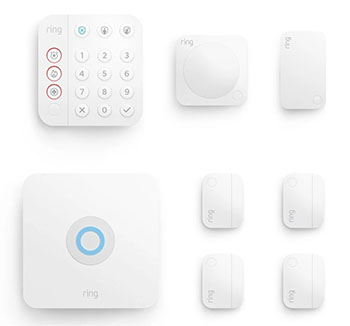
The Ring Alarm system comes in various configuration packages that make it easy and affordable to build a whole-house security system slowly. The starter kit, for instance, comes with a base station, which connects the included keypad, door/window sensor, motion detector, and one range extender.
To this starter kit you can then add accessories such as more sensors and keypads, a bedside panic button, or a doorbell camera.
A very useful feature of the Ring Alarm system is that it offers two modes: self-monitoring and professional monitoring. The subscription-based professional monitoring plan assures you that whenever the alarm is triggered, an actual person will reach out to the designated contact in addition to sending a smartphone alert. If there's an emergency or the monitoring service is unable to contact anyone, they will alert emergency services.
Smart Smoke and Gas Detectors
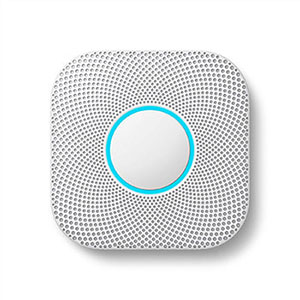
Smoke alarms like the Google Nest Protect respond quickly and reliably to actual danger. Once it detects smoke or carbon monoxide, it triggers a loud voice alert to let you know which room the danger is in and that it will trigger its siren shortly, which is a great feature as it lets someone nearby pause the alarm before the siren goes off. It also sends smartphone alerts, which you can set up to go to family, friends, neighbors, and caregivers (as long as they have the Google Home app).
The device also has a self-testing feature, which regularly confirms that all is in working order. A convenient feature is the integrated, motion-activated night-light.
Water Leak Detectors
A smart water-leak sensor like the D-Link Water Sensor can lessen the impact of plumbing problems by alerting you the moment they're detected. You install these sensors in areas where potential leaks may happen - by the water heater, the tub, sink, or toilet. Some leak detectors also feature temperature and humidity sensors. They notify you with either an audible alarm or a smartphone notification (or both).
Emergency Response Solutions
Smart Emergency Contact Systems
Having a way to contact emergency services is an absolute must for senior living. Emergency contact systems come in two forms: wearable electronic devices like smart watches that provide on-call monitoring and may include fall alerts; and stationary smart speakers with a virtual assistant and emergency alert features.
Smart speakers equipped with digital voice assistants such as Siri and Alexa are now the fastest-growing consumer technology since the smartphone. These smart home speakers can perform menial tasks upon activation, which is a great help for vision impaired residents or with mobility issues. For example, they can be tasked with search inquiries on the internet, dial phone numbers, make video connections with friends and family, or be used as reminders for medications.
They can also help you out during an emergency. At the moment, the only smart speakers that can call 911 are the Apple HomePod and Google Nest. Amazon's Echo, due to regulatory compliance, can't. Some smart speakers can be programmed to send alerts to friends and family through various apps, while others can call non-emergency numbers when you or someone else needs help.
The Alexa voice-control platform, which powers the Echo smart speaker series, is featuring the Alexa Care Hub, a free collection of services for checking in on loved ones (at the moment only available in the U.S.). A new emergency calling feature means you no longer have to call out a name; just say "Alexa, call for help," and Alexa devices will call a designated emergency contact, as well as send a text and smartphone notification (via the Alexa app) to that person.
Another recently introduced feature is the Activity Feed, which allows you to keep tabs on your loved one's activity. For instance, it will show when they turn on smart lights, play music, or if a connected camera sees them moving about the house or when they ask about the weather. In addition to monitoring the activity feed, you can set up alerts to get notified about activity or if no activity has been detected after a specified amount of time.
Aside from the emergency help features, any Echo smart speaker – as well as other manufacturer's smart speakers – is great for playing music, listening to news and weather reports, playing trivia games, and calling friends.
Generally, smart speaker can act as a home's smart hub to control most of the other devices mentioned here, making them accessible via voice commands.
Smart Door Locks
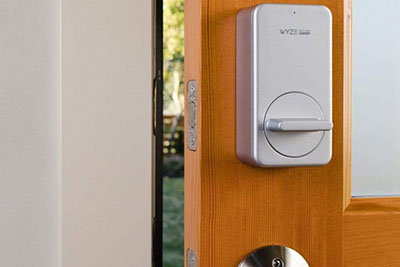
They can either be independent units that replace your existing lock or, like the Wyze Lock, are designed to work with an existing deadbolt. Adding it enables you to lock and unlock the door remotely and to auto-lock the door after it's closed. The Wyze Lock also sends notifications when the door has been left open.
Home Monitoring Sensors
Door and Window Contact Sensors – You can attach these small devices to any door and window, and they alert you when they have been opened, are safely shut, or have been left open for too long. Many smart contact sensors are tied into security systems or specific platforms (such as Alexa, HomeKit, and SmartThings). All of them can integrate with other smart devices so that opening a door can trigger a light, a voice announcement, or even a call to the police.
Motion Sensors – Systems like the Hive Motion Sensor check if there is (or is not) motion at home and sends notifications the moment anything happens. Connect it with other Hive devices for even smarter control of your home. Like turning on a hall light when someone walks past.
Indoor and Outdoor Cameras – Given all the privacy issues involved, installing security cameras inside and outside a private home needs to be a decision made between you and your family member. Although indoor cameras can offer peace of mind by allowing you to remotely monitor home visits, movement, and whether someone is taking their medicine, quite a few people will see it as a violation of privacy, and others may find it outright frightening.
Climate Control Systems
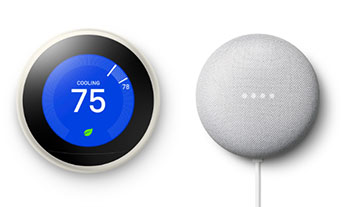
Smart thermostats allow you to control your home heating and air conditioning systems by voice or with an app. Smart climate control system can also learn residents' behavior patterns and automatically modify settings to adjust ambient temperatures for various rooms. Smart thermostats can also report energy usage and remind users to change filters, among other things.
For instance, smart room thermostats connected can constantly check the humidity in your living space and let you know when it's time to ventilate, via a push message on your smartphone. Or you can go one step further: there are windows that can open on their own via a motor, triggered by your smart room thermostat. To prevent unnecessary heat loss, the smart heating system automatically turns down the connected thermostats when windows are open.
Example: Google Nest Learning Thermostat
Smart Lighting Solutions
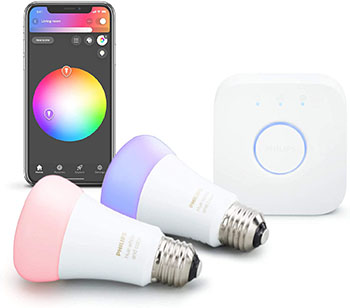
Smart lighting systems are available for indoors and outdoor use. Smart lighting adds automation, remote control, and other convenience features. Upgrading your lights to smart lights is one of the easiest and most practical smart-home changes you can make in your residence. In addition to being able to be controlled remotely and customized, smart lighting systems detect when occupants are in the room and adjust lighting as needed. Smart lightbulbs can also regulate themselves based on daylight availability.
Example: Philips Hue Smart Light
Health and Wellness Devices
Smart Pill Dispensers
Adhering to medication treatment can be a lifesaver, whether for a chronic condition or an acute illness. However, even with the best of intentions, it can be challenging for patients and caregivers who often manage multiple medications with different dosing schedules and instructions. And of course, there is the question almost everyone has asked themselves: "Did I already take that pill today?"
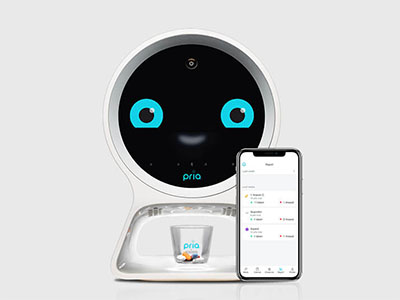
For instance, the Black & Decker Pria is a personal medication assistant that takes the hassle out of medication management and relieves worries about medication non-adherence. It has visual, audio and phone alerts, and you will be notified if a dosage has been missed. Caregivers can also check in through two-way video calling or through the drop in feature. Your care circle can also receive notifications/alerts for missed scheduled doses. This system requires a monthly subscription.
Wearable Fitness Trackers
Independent seniors, also require physical stimulation to ensure that they won't give in to a sedentary lifestyle. It doesn't have to be an expensive smartwatch, there are numerous fitness trackers on the market like a smartwatch. There are a lot of smartwatches in the market, but here are the best ones with solid feedbacks: Samsung Gear Fit2 Pro fitness band, Amazfit Band 5 fitness tracker, and the various Fitbit health trackers.
Smart Cleaning Devices
Independent senior living can yield a lot of challenges, including maintaining a clean, organized home. Your loved ones may experience difficulties cleaning up the place, especially if they facing mobility issues. To avoid stress and exhaustion, there are smart gadgets with Bluetooth or Wi-Fi connectivity that can help in cleaning the home: Robotic vacuum cleaners are one of the best additions to your elderly's home. Just set up the smart vacuum schedule through a phone application and watch as it goes about cleaning your floors.
Creating a Smart Home Environment for Senior Independence
Smart home technology has revolutionized senior care, offering powerful tools that enhance safety, comfort, and independence for aging loved ones. From emergency response systems and security solutions to medication management and automated lighting, these interconnected devices create a supportive ecosystem that addresses the unique challenges seniors face while aging in place.
The right combination of smart devices can detect falls, prevent medication errors, monitor activity patterns, and provide peace of mind for caregivers—all while respecting seniors' dignity and desire for autonomy. As technology continues to advance, smart home solutions become increasingly accessible, intuitive, and effective, making independent senior living not just possible but comfortable and fulfilling.
By thoughtfully implementing these IoT devices and systems, families can create smart environments that promote wellness, safety, and quality of life for their elderly relatives for years to come.
Frequently Asked Questions
What are the most essential smart home devices for seniors living alone?
The most essential smart home devices for seniors living alone include emergency response systems (like medical alert devices), smart smoke and carbon monoxide detectors, security systems with monitoring, smart medication dispensers, and smart speakers with voice assistants. These devices address critical safety concerns while maintaining independence.
How much does it cost to set up a basic smart home for a senior?
Setting up a basic smart home for a senior typically costs between $500-$1,500. This includes a smart speaker ($50-150), smart thermostat ($100-250), basic security system ($200-500), smart lighting ($100-300), and a smart medication dispenser ($100-300). Monthly subscription fees for monitoring services may add $15-50 per month.
Do smart home devices for seniors require internet connectivity?
Most smart home devices require internet connectivity to enable remote monitoring, alerts, and updates. A reliable broadband connection is essential for most systems. However, some security and medical alert systems offer cellular backup options that can function during internet outages, which is particularly important for critical safety features.
Are smart home devices difficult for seniors to use?
Many smart home devices are designed with simplicity in mind. Voice-controlled systems like smart speakers are particularly accessible for seniors with limited technology experience or physical limitations. The initial setup might require assistance from family members, but daily operation is typically straightforward with voice commands or simple smartphone apps.
Can smart home devices help detect falls or medical emergencies?
Yes, several smart home technologies can help detect falls or medical emergencies. Wearable devices with fall detection capabilities can automatically alert emergency contacts. Some systems use motion sensors throughout the home to detect unusual inactivity. Advanced systems can even monitor changes in daily routines that might indicate health problems.
How do smart medication dispensers work?
Smart medication dispensers like the Pria work by automatically releasing medications according to a programmed schedule. They provide audio and visual alerts when it's time to take medication, lock away pills until the scheduled time, and send notifications to caregivers if doses are missed. Many also feature video calling capabilities for remote check-ins.
What privacy concerns should I consider with smart home devices for seniors?
Privacy concerns include data collection, security camera placement, and third-party access to information. Discuss these concerns openly with your senior family member, use strong passwords, keep devices updated, review privacy settings regularly, and choose reputable brands with strong security practices. Balance monitoring capabilities with respect for privacy and independence.
Can smart home devices be controlled by multiple family members?
Yes, most smart home systems allow multiple users with different permission levels. Family members can download the same apps and control devices remotely with appropriate access. This enables adult children, caregivers, and the seniors themselves to manage the system as needed, ensuring everyone involved in care can monitor and control relevant features.

Check out our SmartWorlder section to read more about smart technologies.