

Cleantech and Environmental News – Latest Headlines
 Subscribe to our Cleantech News feed
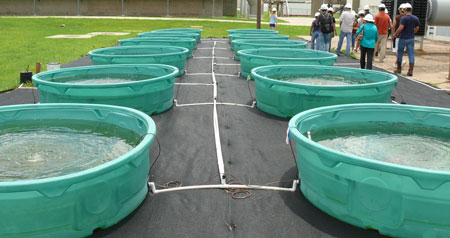
Algae from wastewater solves two problems
In one of the first studies to examine the potential for using municipal wastewater as a feedstock for algae-based biofuels, scientists found they could grow high-value strains of oil-rich algae while simultaneously removing more than 90 percent of nitrates and more than 50 percent of phosphorous from wastewater.
April 2, 2015 Read more

Saving energy with smart facades
Glass-fronted office buildings are some of the biggest energy consumers, and regulating their temperature is a big job. Now a facade element developed by Fraunhofer researchers and designers for glass fronts is to reduce energy consumption by harnessing solar thermal energy.
April 1, 2015 Read more
Adding renewable energy to power grid requires flexibility
A new study offers a comprehensive reimagining of the power grid that involves the coordinated integration of small-scale distributed energy resources. The study asserts that the proliferation of renewable energy must happen at the periphery of the power grid, which will enable the local generation of power that can be coordinated with flexible demand.
March 31, 2015 Read more
Goodbye, range anxiety? EV batteries have a longer useful life than current standards suggest
In the first study of its kind, scientists at the Lawrence Berkeley National Laboratory (Berkeley Lab) quantitatively show that electric vehicles (EVs) will meet the daily travel needs of drivers longer than commonly assumed.
March 30, 2015 Read more
Do biofuel policies seek to cut emissions by cutting food?
A new study finds that government biofuel policies rely on reductions in food consumption to generate greenhouse gas savings.
March 27, 2015 Read more
New tool to improve the sustainability of the transport sector
There is no single fuel solution for the future and therefore other alternatives based on the global combination of alternative fuels need to be explored. That is why BIOLCA has been developed. It is a tool that helps to specify, select and encourage more sustainable fuels.
March 27, 2015 Read more
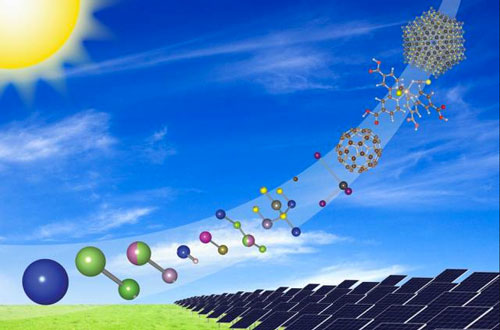
Analysis sees many promising pathways for solar photovoltaic power
New study identifies the promise and challenges facing large-scale deployment of solar photovoltaics.
March 27, 2015 Read more
Agricultural waste could be used as biofuel
A new study pinpoints five strains of yeast capable of turning agricultural by-products, such as straw, sawdust and corncobs, into bioethanol - a well-known alcohol-based biofuel.
March 26, 2015 Read more
Squeeze to remove heat: Elastocaloric materials enable more efficient, 'green' cooling
Materials that change temperature in response to mechanical stress could make possible solid-state refrigerators that are not only more efficient than traditional vapor compression cooling technology, but environmentally-friendly replacements.
March 24, 2015 Read more
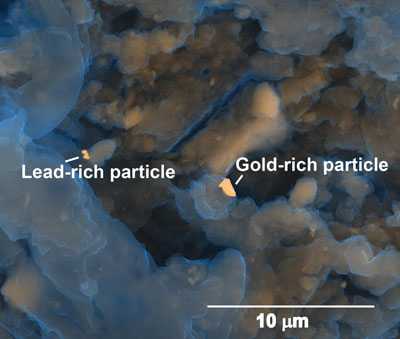
Sewage could be a source of valuable metals and critical elements
Poop could be a goldmine - literally. Surprisingly, treated solid waste contains gold, silver and other metals, as well as rare elements such as palladium and vanadium that are used in electronics and alloys. Now researchers are looking at identifying the metals that are getting flushed and how they can be recovered.
March 23, 2015 Read more

Mimicking nature's chemistry to solve global environmental problems
How do you take the sea of gases that makes up our atmosphere and convert that into liquid fuels? Or how do you remediate greenhouse gases and turn them into something usable for the chemical industry?
March 23, 2015 Read more
A molecule from plants and trees could make our roads and roofs 'greener'
Construction crews may someday use a plant molecule called lignin in their asphalt and sealant mixtures to help roads and roofs hold up better under various weather conditions. It also could make them more environmentally friendly.
March 22, 2015 Read more
Adapting to climate change will bring new environmental problems
Adapting to climate change could have profound environmental repercussions, according to a new study. It reveals that adaptation measures have the potential to generate further pressures and threats for both local and global ecosystems.
March 20, 2015 Read more
Hidden benefits of electric vehicles revealed
Electric vehicles are cool, research shows. Literally. A new study adds more fuel to the already hot debate about whether electric vehicles are more environmentally friendly than conventional vehicles by uncovering two hidden benefits.
March 19, 2015 Read more

Why is low-carbon energy innovation so slow? You can thank Economics 101
A new report raises a question vital for the future: what government policies are most effective at accelerating energy innovations? A study of the economic forces in energy and environment, some of which are different than other industries, can help answer this.
March 19, 2015 Read more
Many plastics labeled 'biodegradable' don't break down as expected
Plastic products advertised as biodegradable have recently emerged, but they sound almost too good to be true. Scientists have now found out that, at least for now, consumers have good reason to doubt these claims.
March 18, 2015 Read more
Electronic waste has energy value
Using discarded electronic boards, researchers have developed a system for obtaining clean hydrogen that can be used as fuel. The researchers have already registered the patent of the process in Japan.
March 18, 2015 Read more
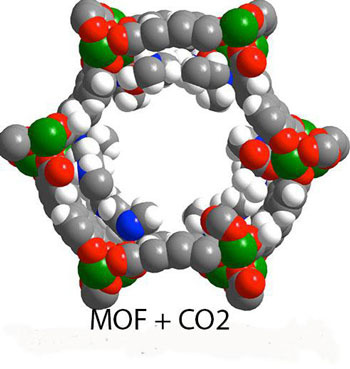
A better way of scrubbing CO2
A means by which the removal of carbon dioxide from coal-fired power plants might one day be done far more efficiently and at far lower costs than today has been discovered by a team of researchers. By appending a diamine molecule to the sponge-like solid materials known as metal-organic-frameworks (MOFs), the researchers were able to more than triple the CO2-scrubbing capacity of the MOFs, while significantly reducing parasitic energy.
March 17, 2015 Read more