Microbiome: Definition, Composition, Functions, and Medical Applications
What Is the Microbiome?
Definition: The microbiome is the community of microorganisms associated with a defined environment, together with their collective genomes, gene products, and the chemical and physical conditions they create and inhabit.
In simple terms: the microbiome is the ecosystem of microbes living in a place, such as the human gut, plus the genes and chemical activities that make that ecosystem work. In medicine, the word usually refers to the human microbiome, especially the gut microbiome.
The microbiome is the entire community of microorganisms – bacteria, archaea, fungi, single-celled eukaryotes and viruses – that occupy a particular habitat, considered together with their genomes and the surrounding chemical environment. The habitat can be a stretch of soil, the surface of a leaf, seawater, or the human gut. When the term is used without qualification in biotechnology and medicine it usually refers to the human microbiome, and most often to the densely populated community of the large intestine.
The scale of these communities is substantial. The human gut alone harbors hundreds of bacterial species and a microbial gene catalog far larger than the roughly twenty thousand protein-coding genes in the human genome. An influential early survey of the human intestine recovered thousands of ribosomal gene sequences and found that most corresponded to uncultivated, previously undescribed organisms, establishing both the diversity of the community and how little of it had been seen by traditional culturing.
At a glance:
- Microbiome: a microbial community plus its genomes and environment
- Microbiota: the living organisms within that community
- Main members: bacteria, archaea, fungi, protists and viruses
- Densest human site: the colon, with hundreds of bacterial species
- Core methods: 16S rRNA gene sequencing and shotgun metagenomics
- Key clinical use: microbiota restoration to reduce recurrence of C. difficile infection after antibiotic treatment
Key Takeaways
A microbiome is best understood as a living ecosystem, not just a list of microbes. Its composition varies strongly between people and body sites, but many healthy communities perform similar functions. The most established medical use is microbiota restoration for recurrent C. difficile infection; many other microbiome-based diagnostics and therapies remain under investigation.
A central idea in modern microbiome science is that this community behaves as a functional partner of its host rather than as a set of passengers. The resident microorganisms digest compounds the host cannot, train and tune the immune system, exclude invading pathogens, and produce signaling molecules that reach distant organs. The host, in turn, supplies nutrients and a regulated habitat. The microbiome is therefore studied as an integrated system shaped by genetics, diet, age, geography and environmental exposure.
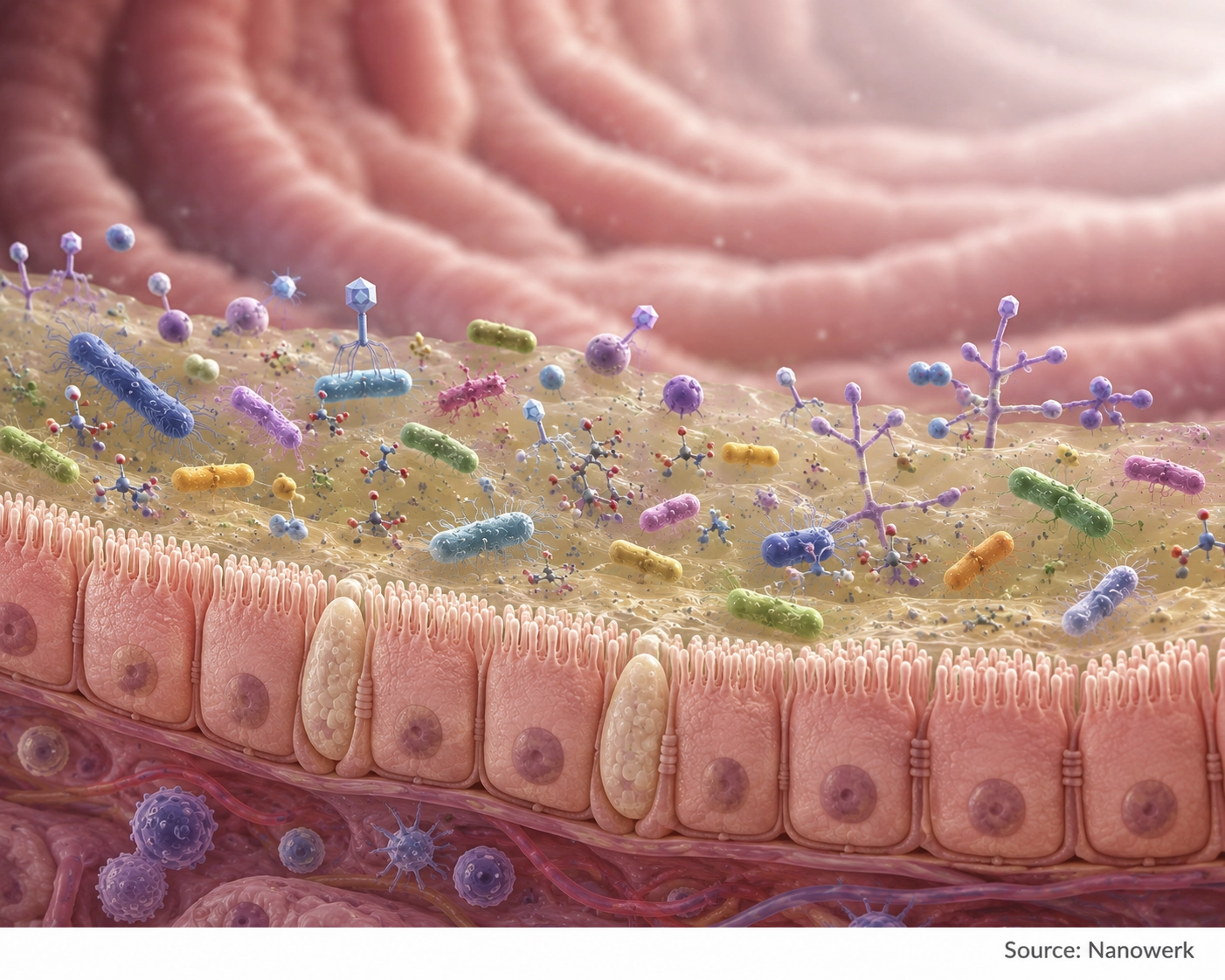
Microbiome Versus Microbiota and Related Terms
The words microbiome and microbiota are often used as synonyms, but they describe different things. The microbiota is the set of living organisms; the microbiome is that set plus its collective genomes, the molecules those genomes produce, and the physical and chemical conditions of the habitat. Several adjacent terms describe the same community examined through a particular lens, and keeping them distinct makes the literature easier to read. The table below summarizes the most common ones.
| Term | What it refers to | Typical use |
|---|---|---|
| Microbiota | The living microorganisms in a habitat | Describing which species are present and their relative abundance |
| Microbiome | The microbiota plus its genomes, products and environment | Genomic and functional analysis of a whole community |
| Metagenome | The pooled genetic material of a community | Sequencing all DNA in a sample without culturing |
| Dysbiosis | A microbial community pattern associated with disrupted health or ecosystem function; the term is context-dependent and does not always identify a cause | Describing disease-associated community changes while testing whether they are cause, consequence or marker |
| Holobiont | The host together with all its microbiomes | Treating host and microbes as one biological unit |
A non-obvious point in this comparison is that the distinction between microbiota and microbiome is methodological as much as conceptual. Counting organisms with microscopy or marker-gene surveys answers a microbiota question; reconstructing metabolic pathways from pooled DNA answers a microbiome question. The same stool sample can yield either, depending on whether the analysis stops at who is present or extends to what the community can do.
Composition of the Human Microbiome
The human body hosts not one microbiome but many, each adapted to a distinct habitat. The skin, mouth, airways, gut and urogenital tract differ sharply in oxygen, moisture, pH and nutrient supply, and each selects a characteristic community. The gut is the largest and most studied site, dominated by anaerobic bacteria from a small number of major phyla, principally the Bacillota, formerly known as Firmicutes, and the Bacteroidota, formerly known as Bacteroidetes, alongside members of the Actinomycetota, formerly Actinobacteria, and Pseudomonadota, formerly Proteobacteria, plus lower numbers of archaea.
Bacteria are the most abundant members, but they are not the whole community. The gut also contains methane-producing archaea, a fungal component sometimes called the mycobiome, and a large population of viruses, mostly bacteriophages that infect resident bacteria, referred to as the virome. These minority members can have effects out of proportion to their numbers, for example by killing specific bacterial populations or by supplying genes that move between microbes.
Two features of healthy microbiome composition recur across studies. First, communities differ greatly between individuals, so there is no single species list that defines a normal gut. Second, despite this variation, the collective metabolic capabilities of healthy communities are more similar than their species membership, because different organisms can perform the same functions. This gap between variable membership and conserved function is one reason researchers increasingly describe microbiome health in functional terms rather than by a fixed roster of species.
Microbiome Biogeography: Why Location Matters
A microbiome is not a uniform broth. Even within the gut, the community changes markedly from the stomach to the small intestine to the colon, and across the short distance from the lumen to the mucus layer against the intestinal wall. Gradients in oxygen, pH, bile, transit time and nutrient availability create distinct microhabitats, so the organisms thriving at the gut wall differ from those in the center of the lumen. This spatial organization, the biogeography of the microbiome, shapes which interactions are possible and which host tissues a given microbe can influence.
Recognizing biogeography matters for interpreting microbiome data. Most studies sample stool because it is easy to collect, but stool best represents the luminal community of the distal gut and underrepresents organisms attached to the mucosa elsewhere. Higher-resolution imaging and single-cell methods have shown that location-dependent structure carries real biological information, including how the community resists disturbance and how it interacts with the immune system at the mucosal surface.
How the Microbiome Is Studied
The modern field exists because culture-independent DNA sequencing made it possible to characterize organisms that cannot be grown in the laboratory. The first widely used approach, marker-gene sequencing, amplifies and reads the bacterial 16S ribosomal RNA gene, which contains regions conserved enough to target across all bacteria and variable enough to distinguish groups. This identifies which bacteria are present and in what proportions but reveals little about their functions.
Shotgun metagenomics goes further by sequencing all the DNA in a sample, including fungi, viruses and the gene content of every organism, using high-throughput next-generation sequencing. The resulting data show not only who is present but what metabolic pathways the community can run. Complementary techniques extend the picture: metatranscriptomics measures which genes are active, and metabolomics measures the small molecules the community produces. Turning these large datasets into biological conclusions depends heavily on bioinformatics, which assembles genomes, assigns taxonomy and reconstructs pathways from billions of short reads.
A persistent challenge is that most microbiome studies are correlative. Sequencing can show that a microbial pattern is associated with a disease, but it cannot by itself show that the microbes cause it. Establishing causation requires controlled experiments, often colonizing germ-free animals with defined communities, and increasingly the analysis of large human cohorts that combine sequencing with host physiology. Distinguishing cause from consequence remains one of the central methodological problems in the field.
Functions of the Human Microbiome
Metabolism and Digestion
The gut microbiome performs metabolic work the human body cannot do alone. Resident bacteria ferment dietary fiber and other complex carbohydrates that human enzymes cannot break down, producing short-chain fatty acids such as butyrate, acetate and propionate. Butyrate is a primary energy source for the cells lining the colon, and these molecules also influence metabolism and inflammation throughout the body. The microbiome additionally synthesizes certain vitamins, transforms bile acids, and metabolizes drugs and other compounds, altering how they act in the host.
Immune Development and Colonization Resistance
The microbiome is also essential for normal immune development. Early-life colonization helps train the immune system to distinguish harmless residents and food from genuine threats, and a diverse community continues to tune immune activity throughout life. Resident microbes provide colonization resistance, occupying niches and producing inhibitory compounds that make it harder for pathogens to establish. When this community is disrupted, for example by broad-spectrum antibiotics, pathogens such as Clostridioides difficile can expand and cause disease.
Gut-Brain Signaling
Beyond digestion and immunity, the microbiome participates in long-range communication with the brain along what is called the microbiota-gut-brain axis. Microbial metabolites, immune signaling and the vagus nerve form bidirectional routes by which the gut community can influence brain activity and behavior, while signals from the brain in turn affect the gut environment and its microbes. Much of the strongest mechanistic evidence comes from animal models, and the extent and clinical relevance of these effects in humans remain active areas of investigation.
The Microbiome in Disease
Altered microbiome composition, often termed dysbiosis, is associated with a wide range of conditions. The clearest links are in the gut itself: inflammatory bowel disease and recurrent C. difficile infection both involve disturbed communities. For recurrent C. difficile, microbiota restoration is an established strategy to reduce recurrence after antibiotic treatment. Beyond the gut, microbiome differences have been associated with obesity, type 2 diabetes, cardiovascular and liver disease, allergic and autoimmune conditions, and neurological and psychiatric disorders.
An important caution applies to most of these associations. Because the microbiome both shapes and responds to host physiology, an observed difference between patients and healthy people may be a cause of disease, a consequence of it, or a marker of a shared underlying factor such as diet or medication. Several microbiome-disease links that appeared robust in early observational studies have proven harder to confirm under controlled conditions. The field has correspondingly shifted toward designs that test specific mechanisms rather than catalog differences alone, including the use of microbial signatures as candidate diagnostic biomarkers only where the underlying biology is understood.
Microbiome Applications in Biotechnology and Medicine
Microbiota Restoration for Recurrent C. difficile
The best-established clinical application is microbiota restoration for recurrent C. difficile infection. In fecal microbiota transplantation, a screened stool community from a healthy donor is transferred to a patient to rebuild colonization resistance after antibiotics. This crude but powerful approach has been refined into standardized, regulated microbiota-based products used to reduce recurrence after antibacterial treatment, and into the broader concept of live biotherapeutic products: defined microbial consortia developed and manufactured to a specification rather than transferred whole.
Prebiotics, Probiotics, Postbiotics and Engineered Microbes
Other strategies aim to steer the existing community rather than replace it. Prebiotics are dietary compounds that selectively feed beneficial microbes; probiotics are live organisms administered for benefit; and postbiotics are preparations of inanimate microorganisms and/or their components that confer a health benefit. Microbial metabolites are related but not identical to postbiotics, because the term is not limited to secreted molecules alone. Engineered microbes built with synthetic biology are being designed to sense conditions in the gut and deliver therapeutic molecules in place. The microbiome is also a major source for biotechnology more broadly: industrial enzymes and bioactive compounds are mined from microbial communities, and microbial gene products from environmental microbiomes underpin tools used across molecular biology.
Personalized Medicine and Drug Response
Microbiome profiling is also being investigated as part of individualized care. Because the same drug or diet can produce different responses depending on a person's microbial community, microbiome data are being studied for use in personalized medicine, from predicting individual glycemic responses to food to anticipating how a patient will respond to certain cancer immunotherapies. Broad clinical use will depend on resolving the field's central problems: standardizing measurement, separating cause from correlation, and defining what a healthy microbiome actually is.
Frequently Asked Questions
What is the difference between the microbiome and the microbiota? The microbiota is the collection of living microorganisms themselves – the bacteria, archaea, fungi, protists and viruses present in a given environment such as the human gut. The microbiome is the broader concept: it includes those organisms plus their collective genomes, their gene products and the surrounding chemical and physical conditions. In practice many researchers use the two words interchangeably, but the microbiome is the genomic and functional view of the same community.
Do gut bacteria outnumber human cells ten to one? The widely repeated ratio of ten microbial cells for every human cell is now considered an overestimate. A 2016 reassessment concluded that the numbers of bacterial and human cells in the body are roughly comparable, on the order of one to one. The microbiome remains genetically dominant, however, because the combined microbial gene catalog is many times larger than the human gene set.
Can the microbiome be changed by diet? Yes. Dietary composition is one of the strongest modifiable influences on the gut microbiome. Fiber, fermented foods and overall dietary pattern can shift which species dominate and which metabolites they produce within days, although a person's baseline community tends to return unless the dietary change is sustained. This responsiveness is why diet is central to most microbiome-targeted interventions.
What is a fecal microbiota transplant? A fecal microbiota transplant transfers a screened stool preparation from a healthy donor into the gut of a patient to restore a disrupted microbial community. It is an established microbiota-restoration strategy for recurrent Clostridioides difficile infection, especially to reduce recurrence after antibiotic treatment, and it is being investigated for other conditions. Standardized, regulated microbiota-based products have been developed to make the approach safer and more reproducible.
Is there a single healthy microbiome? No single reference community defines a healthy microbiome. Healthy people carry very different microbial compositions, so researchers increasingly define microbiome health by stable functions and resilience rather than by a fixed species list. Defining what counts as healthy is one of the most debated open questions in the field.
Where is the microbiome found? Microbiomes are found in soil, water, plants, animals, buildings and many human body sites, including the skin, mouth, airways, gut and urogenital tract. In humans, the colon is the densest microbial site and the gut microbiome is the most studied.
Further Reading
New England Journal of Medicine, The Human Intestinal Microbiome in Health and Disease
Physiological Reviews, The Microbiota-Gut-Brain Axis
Nature Reviews Microbiology, The Gut Microbiota and Its Biogeography
Nature Reviews Microbiology, Examining the Healthy Human Microbiome Concept