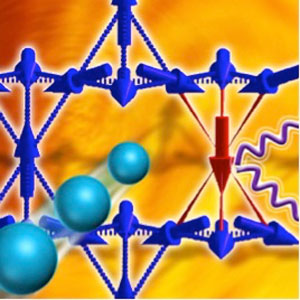
 Using a combination of neutron and X-ray scattering techniques, researchers were able to solve the magnetic structure and measure the nature of the magnetic excitations in Cd2Os2O7.
Jun 30th, 2016
Read more
 Robots so small they can enter the bloodstream and perform surgeries are one step closer.
Jun 30th, 2016
Read more
 Inexpensive sensors could be worn by soldiers to detect hazardous chemical agents.
Jun 30th, 2016
Read more
The Finnish Institute of Occupational Health and the Academy of Finland are hosting a panel discussion on questions of nanosafety in connection with the EuroScience Open Forum (ESOF) conference in Manchester in July.
Jun 30th, 2016
Read more
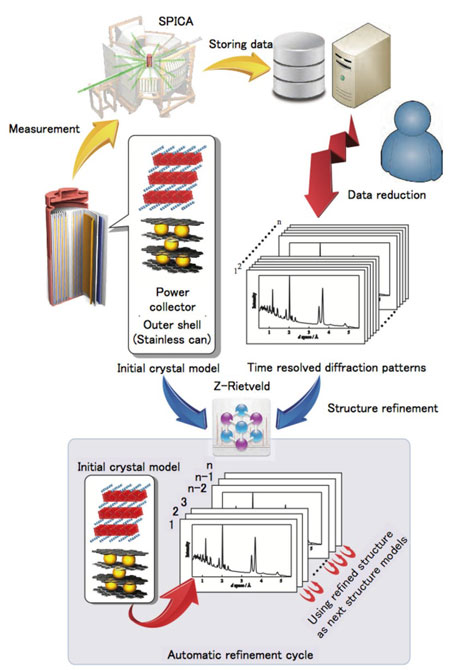 Researchers use diffraction data from pulsed high-intensity neutrons to understand the reactions that deteriorate lithium batteries during operation.
Jun 30th, 2016
Read more
Researchers have developed a unique, multifunctional smart material that can change shape from heat or light and assemble and disassemble itself.
Jun 30th, 2016
Read more
 A new molecular method enables the investigation of the function for thousands of proteins in parallel. Applying this new method, an international team of researchers was able to identify hundreds of previously unknown interactions among proteins.
Jun 30th, 2016
Read more
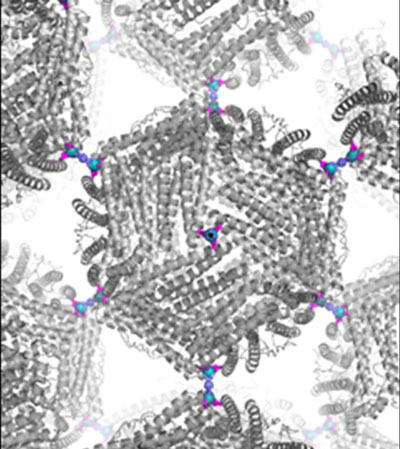 Predictable assembly of protein building blocks result in a new class of porous materials, with potential uses ranging from efficient fuel storage to practical carbon capture and conversion.
Jun 30th, 2016
Read more
Surface phenomena in ring-shaped topological insulators are just as controllable as those in spheres made of the same material.
Jun 29th, 2016
Read more
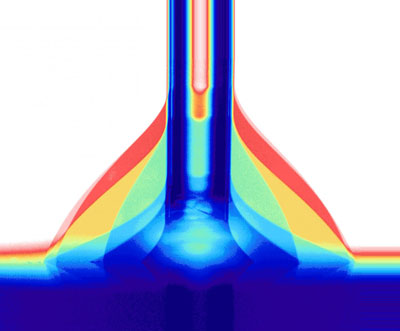 Physicists have developed a system that enables them to switch back and forth the adhesion and stiction (static friction) of a water drop on a solid surface.
Jun 29th, 2016
Read more
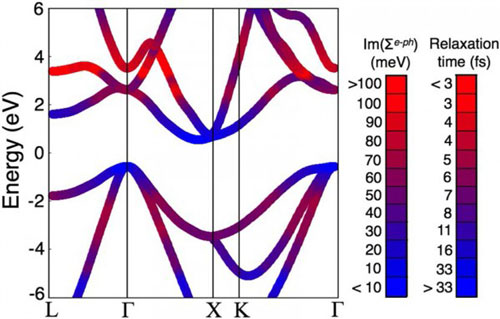 Theoretical modeling of energy loss in solar cells may lead to more efficient materials to convert sunlight to electricity.
Jun 29th, 2016
Read more
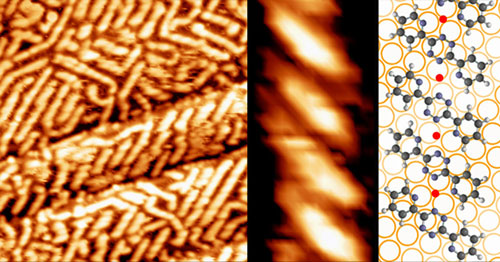 Two chemists will combine their expertise in two distinct fields of chemistry - surface chemistry and metal-organic chemistry - to create new catalysts that guide molecular transformations.
Jun 29th, 2016
Read more
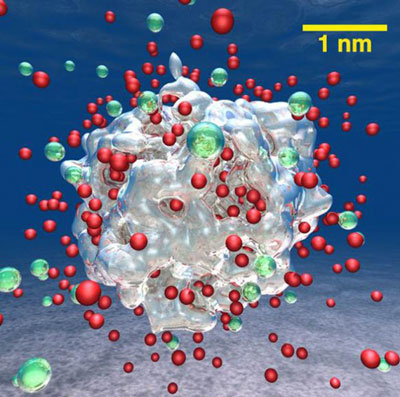 Towards eco-friendly industrial-scale hydrogen production.
Jun 29th, 2016
Read more
 New metal nanomesh leads to super stretchable and transparent gold electrodes that don't wear out.
Jun 29th, 2016
Read more
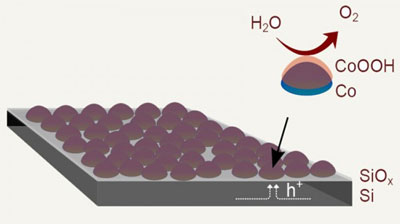 Inexpensive method allows synthesis of a tiny solar cell that pumps out fuel.
Jun 29th, 2016
Read more
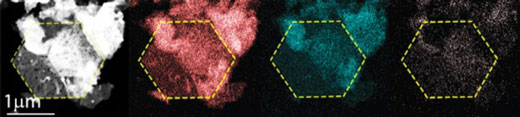 Templates allow for materials with deliberate sizes and shapes for solar cells and electricity generation from waste heat.
Jun 29th, 2016
Read more

 Subscribe to our Nanotechnology News feed