

Biotechnology News – Latest Headlines
 Subscribe to our Biotechnology News feed
New conversion process turns biomass 'waste' into lucrative chemical products (w/video)
A new catalytic process is able to convert what was once considered biomass waste into lucrative chemical products that can be used in fragrances, flavorings or to create high-octane fuel for racecars and jets.
December 17, 2014 Read more
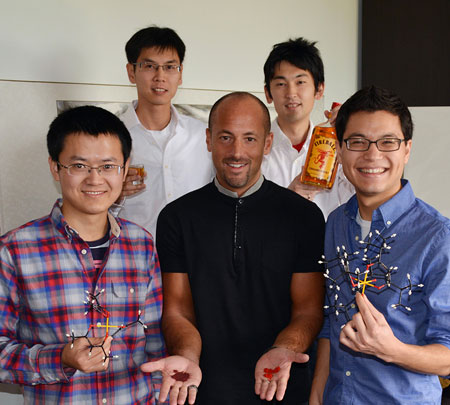
Scientists open new frontier of vast chemical 'space'
Chemists have invented a powerful method for joining complex organic molecules that is extraordinarily robust and can be used to make pharmaceuticals, fabrics, dyes, plastics and other materials previously inaccessible to chemists.
December 17, 2014 Read more
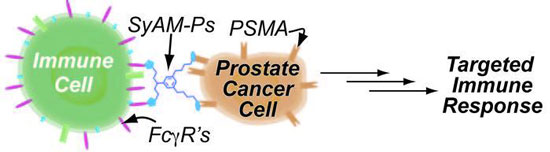
New class of synthetic molecules mimics antibodies
Scientists have crafted the first synthetic molecules that have both the targeting and response functions of antibodies.
December 17, 2014 Read more
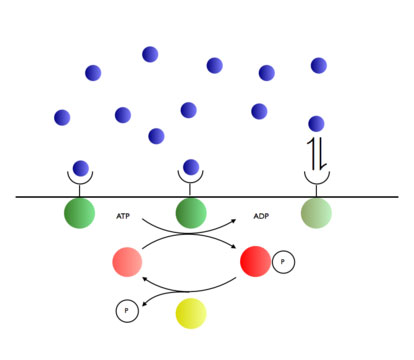
Time, energy and storage capacity determine the measurement accuracy of the 'cell computer'
Researchers have discovered what determines the accuracy with which cells can measure chemical concentrations.
December 17, 2014 Read more
Research aims to improve hip and knee replacement success
Researchers are working to improve materials used in hip and knee replacements so that they last longer and allow patients to quickly get back on their feet after surgery.
December 15, 2014 Read more
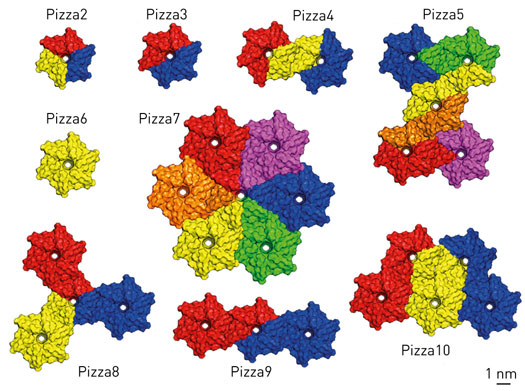
Perfect propeller proteins designed by computer
The computationally assisted synthesis of a symmetrical propeller protein that retraces protein evolution could also be used to develop new protein structures for biotechnology applications.
December 12, 2014 Read more
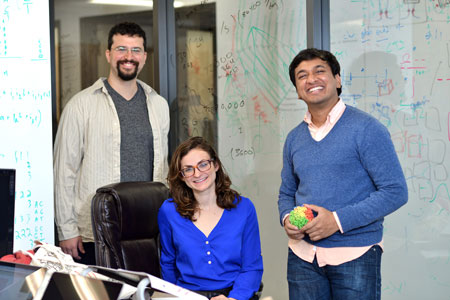
3-D maps reveal the genome's origami code (w/video)
In a triumph for cell biology, researchers have assembled the first high-resolution, 3-D maps of entire folded genomes and found a structural basis for gene regulation - a kind of 'genomic origami' that allows the same genome to produce different types of cells.
December 11, 2014 Read more
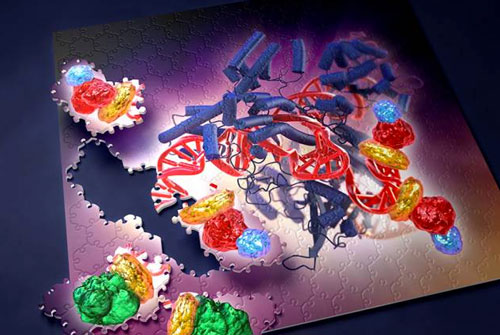
New way to turn genes on
Technique allows rapid, large-scale studies of gene function.
December 11, 2014 Read more
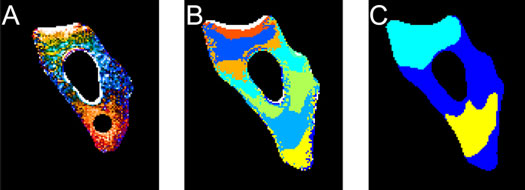
Now researchers can see how unfolded proteins move in the cell
When a large protein unfolds in transit through a cell, it slows down and can get stuck in traffic. Using a specialized microscope , researchers now can watch the way the unfolded protein diffuses. Studying the relationship between protein folding and transport could provide great insight into protein-misfolding diseases such as Alzheimer's and Huntington's.
December 10, 2014 Read more
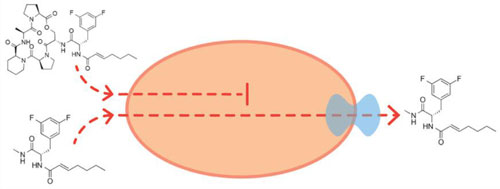
Molecular decoys help overcome drug resistance
Efflux pumps are surface proteins that prevent antimicrobial drugs from getting a foothold in a bacterial cell by identifying and pumping them out of the cell. New research suggests that small pieces of those drugs could keep the efflux pumps busy and allow the antimicrobial drugs to reach a critical mass inside the cell.
December 9, 2014 Read more
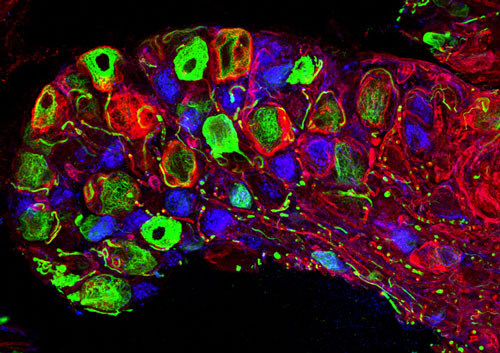
Stain every nerve
Scientists can now explore nerves in mice in much greater detail than ever before, thanks to an approach developed by scientists at the European Molecular Biology Laboratory (EMBL). The work enables researchers to easily use artificial tags, broadening the range of what they can study and vastly increasing image resolution.
December 9, 2014 Read more
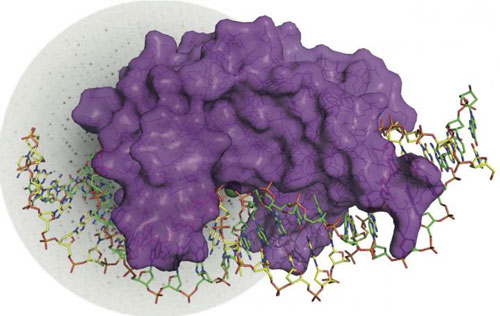
Researchers have visualized the DNA double-strand break process for the first time
Scientists have developed a method for producing biological crystals that has allowed scientists to observe - for the first time - DNA double chain breaks. They have also developed a computer simulation that makes this process, which lasts in the order of millionths of a second, visible to the human eye.
December 8, 2014 Read more
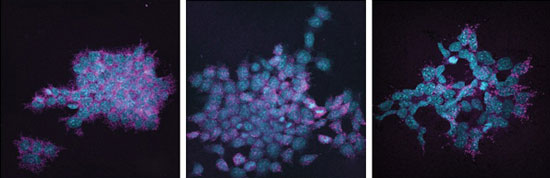
New single-cell analysis reveals complex variations in stem cells
By analyzing the genetic makeup of individual stem cells, researchers have identified new ways to regulate and control the growth of various cell and tissue types.
December 4, 2014 Read more
Technology breakthrough reveals cellular transcription process
This new research tool offers a more profound view of the immune responses that are involved in a range of diseases, such as HIV infection. At the level of gene transcription, this had been difficult, complex and costly to do with current technologies, such as microscopy.
December 4, 2014 Read more
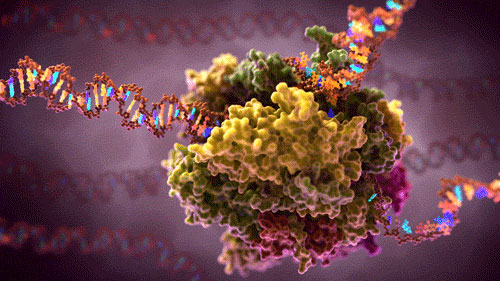
Reliable RNA analysis now easier with 'dashboard' tool
A new, innovative 'dashboard' from the National Institute of Standards and Technology won't help you drive your car, but it will help enable reproducible research in biology.
December 3, 2014 Read more
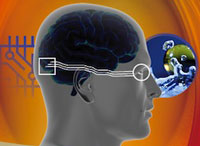
New fundings brings closer clinical trials of the Bionic Eye
The Monash Vision Group moves a step closer to clinical trials of its Bionic Eye, thanks to landmark donations from two respected business leaders.
December 2, 2014 Read more
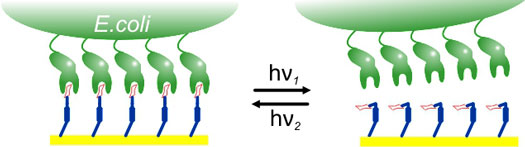
Researchers control adhesion of E. coli bacteria
Researchers created a synthetic surface on which the adhesion of E. coli bacteria can be controlled. The layer, which is only approximately four nanometres thick, imitates the saccharide coating (glycocalyx) of cells onto which the bacteria adhere such as during an infection.
December 2, 2014 Read more
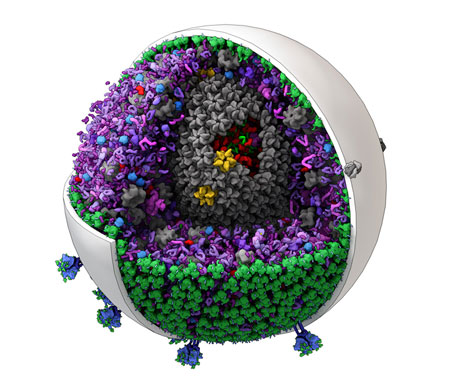
A new tool for exploring cells in 3D
Researchers can now explore viruses, bacteria and components of the human body in more detail than ever before with software developed at The Scripps Research Institute (TSRI).
December 2, 2014 Read more