

Biotechnology News – Latest Headlines
 Subscribe to our Biotechnology News feed
World's first artificial enzymes created using synthetic biology
Scientists have created the world's first enzymes made from artificial genetic material. Their synthetic enzymes, which are made from molecules that do not occur anywhere in nature, are capable of triggering chemical reactions in the lab.
December 1, 2014 Read more
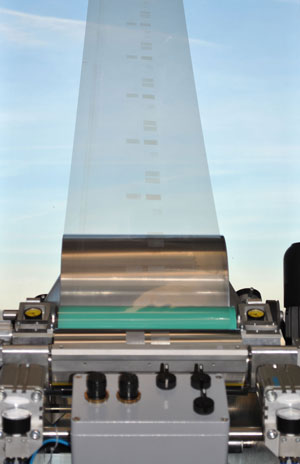
Proteins off the roll
Protein-coated Petri dishes are increasingly being used to support cell growth during cell cultivation. Scientists have developed a system for printing protein patterns onto film using a roll-to-roll process, which allows high volumes to be manufactured efficiently and cost-effectively.
December 1, 2014 Read more
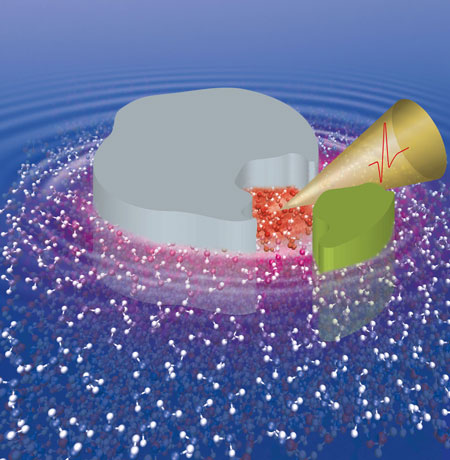
Classical enzymatic theory revised by including water motions
The main focus of enzymology lies on enzymes themselves, whereas the role of water motions in mediating the biological reaction is often left aside owing to the complex molecular behavior. Researchers have revised the classical enzymatic steady state theory by including long-lasting protein-water coupled motions into models of functional catalysis.
November 26, 2014 Read more
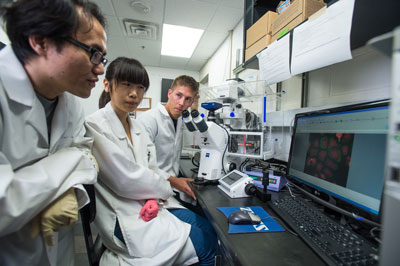
A hybrid vehicle that delivers DNA
The new transport system for DNA vaccines could help treat HIV, malaria, HPV and other major illnesses.
November 25, 2014 Read more
New device could make large biological circuits practical
Innovation from MIT could allow many biological components to be connected to produce predictable effects.
November 24, 2014 Read more
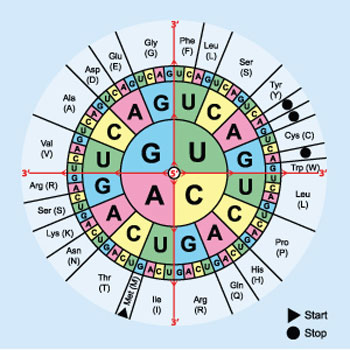
A better way to design genes
Web tool offers COOL approach to codon optimization for synthetic biology.
November 19, 2014 Read more
Molecular event mapping opens door to more tests 'in silico'
Scientists report a new method for establishing whether chemical compounds are safe for human use without in-vivo testing, based on so-called 'molecular initiating events' at the boundary between chemistry and biology.
November 18, 2014 Read more
Unexpected cross-species contamination in genome sequencing projects
As genome sequencing has gotten faster and cheaper, the pace of whole-genome sequencing has accelerated, dramatically increasing the number of genomes deposited in public archives. Although these genomes are a valuable resource, problems can arise when researchers misapply computational methods to assemble them, or accidentally introduce unnoticed contaminations during sequencing.
November 18, 2014 Read more
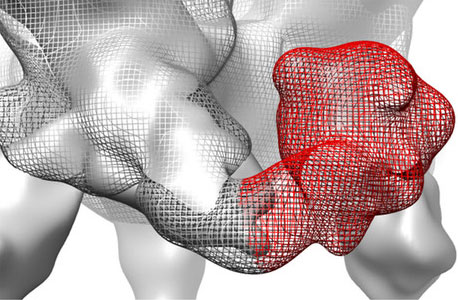
Advances in electron microscopy reveal secrets of HIV and other viruses
UC Davis researchers are getting a new look at the workings of HIV and other viruses thanks to new techniques in electron microscopy developed on campus.
November 17, 2014 Read more
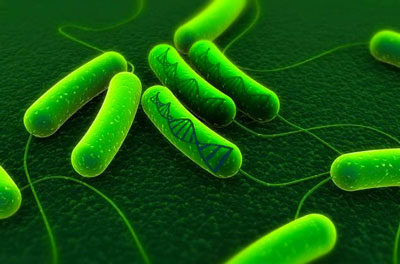
Bacteria become 'genomic tape recorders'
Engineered E. coli can store long-term memories of chemical exposure, other events in their DNA.
November 17, 2014 Read more
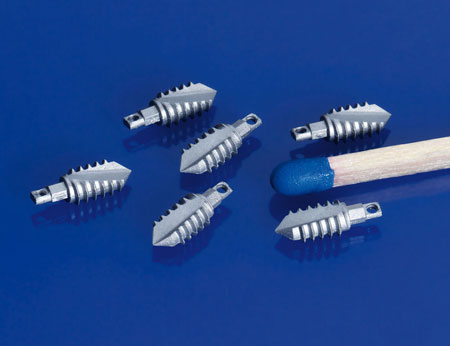
Fewer surgeries with degradable implants
Until now, in cases of bone fracture, doctors have used implants made of steel and titanium, which have to be removed after healing. To spare patients burdensome interventions, researchers are working on a bone substitute that completely degrades in the body. Towards this end, material combinations of metal and ceramic are being used.
November 12, 2014 Read more
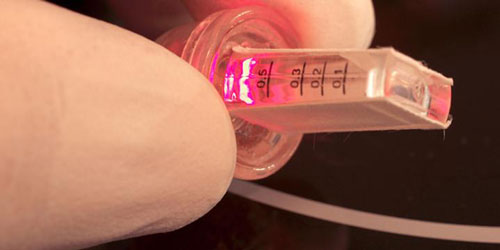
Controlling genes with your thoughts
Researchers have constructed the first gene network that can be controlled by our thoughts. The inspiration for this development was a game that picks up brainwaves in order to guide a ball through an obstacle course.
November 11, 2014 Read more
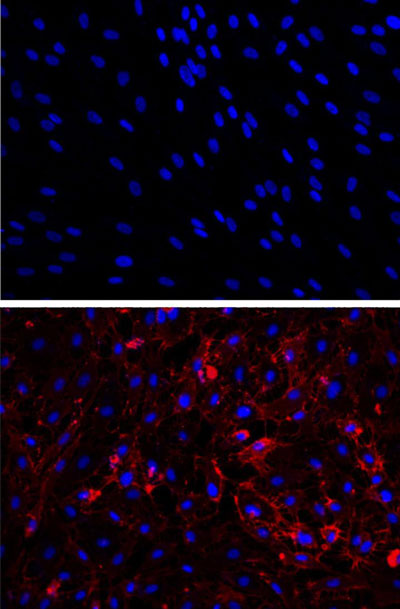
Reprogrammed cells grow into new blood vessels
By transforming human scar cells into blood vessel cells, scientists may have discovered a new way to repair damaged tissue. The method appeared to improve blood flow, oxygenation, and nutrition to areas in need.
November 7, 2014 Read more
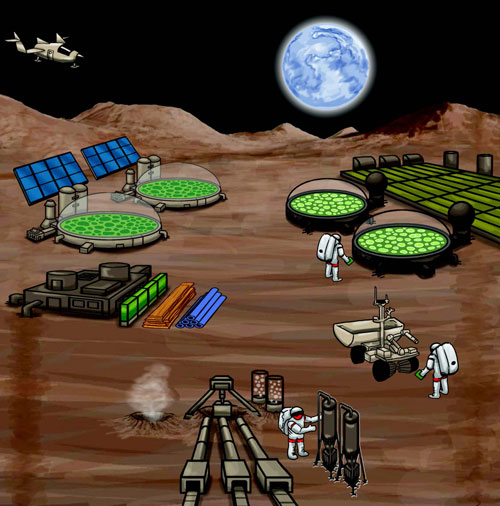
Synthetic biology for space exploration
Researchers have used synthetic biology to produce an inexpensive and reliable microbial-based alternative to the world's most effective anti-malaria drug, and to develop clean, green and sustainable alternatives to gasoline, diesel and jet fuels. In the future, synthetic biology could also be used to make manned space missions more practical.
November 6, 2014 Read more
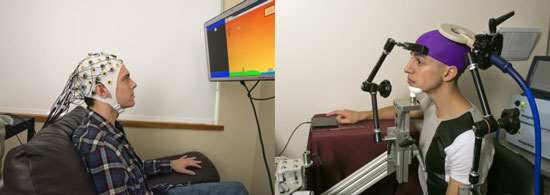
Study shows direct brain interface between humans (w/video)
Researchers have successfully replicated a direct brain-to-brain connection between pairs of people as part of a scientific study following the team's initial demonstration a year ago. In the newly published study, which involved six people, researchers were able to transmit the signals from one person's brain over the Internet and use these signals to control the hand motions of another person within a split second of sending that signal.
November 5, 2014 Read more
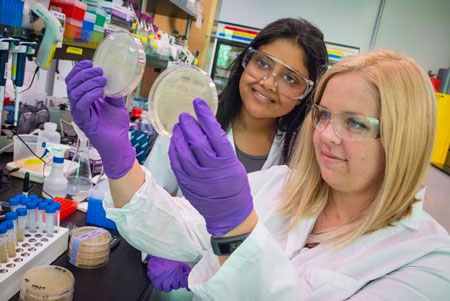
Engineered for tolerance, bacteria pump out higher quantity of renewable gasoline
An international team of bioengineers has boosted the ability of bacteria to produce isopentenol, a compound with desirable gasoline properties. The finding is a significant step toward developing a bacterial strain that can yield industrial quantities of renewable bio-gasoline.
November 5, 2014 Read more

From crab shells to raw materials
In a lab in Bavaria scientists are trying to chemically transform crab shells into a high performance biopolymer. This European research project, Chibio, turns the waste into a raw material and energy source.
November 5, 2014 Read more
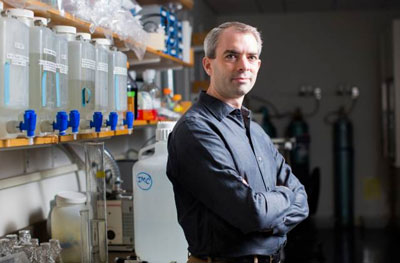
Piecing together molecular machines
During your lifetime, the cells in your body divide many trillions of times. Iain Cheeseman, an associate professor of biology at MIT, has spent his career studying how cells control this process, which is critical to ensuring that the correct genetic information is passed down from generation to generation.
November 5, 2014 Read more