

Biotechnology News – Latest Headlines
 Subscribe to our Biotechnology News feed
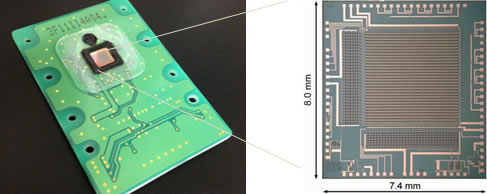
Innovative semiconductor image sensor for analysis of blood samples for early diagnosis of diabetes and Alzheimer's
Scientists have established an easy to use, low-cost, rapid, and high sensitivity semiconductor-imaging based medical diagnostic biosensing system for analyzing blood and urine for early diagnosis of ailments including diabetes and Alzheimer's disease.
September 23, 2014 Read more
Turning winery waste into biofuels
Researchers have developed a technique for converting winery waste into compounds that could have potential value as biofuels or medicines.
September 23, 2014 Read more
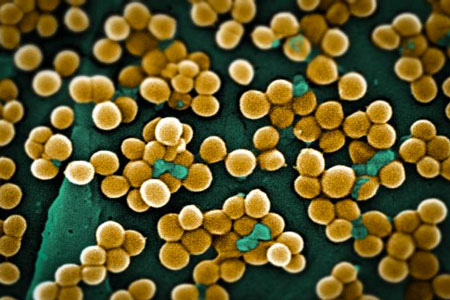
Battling superbugs with new biotechnologies
Using a gene-editing system that can disable any target gene, researchers have shown that they can selectively kill bacteria carrying harmful genes that confer antibiotic resistance or cause disease.
September 23, 2014 Read more
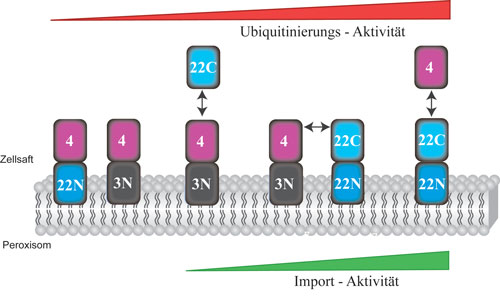
The accelerator of molecular motors
Researchers have successfully identified the 'molecular accelerator' that activates the peroxisomal processes. To their surprise, it turned out to be an old acquaintance: a certain module of the familiar protein Pex22p, which has hitherto always been considered an anchor protein.
September 22, 2014 Read more

Biotechnical procedure leads to increased biomass production from trees
Thanks to biotechnology, researchers have increased the production of woody species. This result could be of great interest to the energy market.
September 22, 2014 Read more
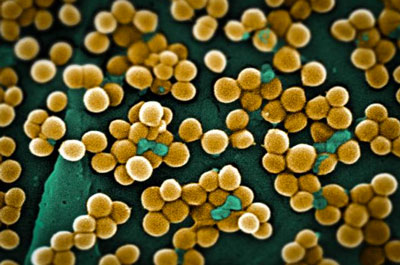
Battling superbugs with a gene-editing system
Two new technologies from researchers at MIT could enable novel strategies for combating drug-resistant bacteria.
September 21, 2014 Read more
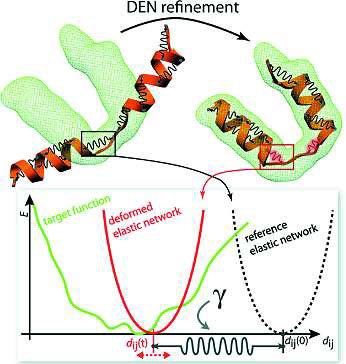
A refined approach to proteins at low resolution
Crystals of membrane proteins and protein complexes often diffract to low resolution owing to their intrinsic molecular flexibility, heterogeneity or the mosaic spread of micro-domains. At low resolution, the building and refinement of atomic models is a more challenging task. The deformable elastic network refinement method developed previously has been instrumental in the determination of several structures at low resolution. Here, DEN refinement is reviewed.
September 19, 2014 Read more
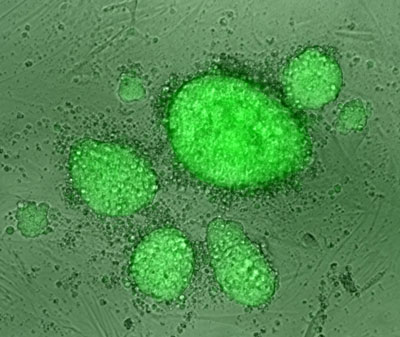
Scientists report reliable and highly efficient method for making stem cells
New finding could accelerate research to regenerate damaged tissue.
September 18, 2014 Read more
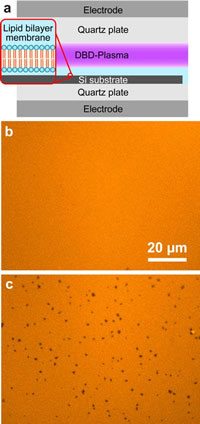
Biomedical applications of plasma technology
Researchers report the effects of atmospheric plasma irradiation on an artificial plasma membrane system.
September 18, 2014 Read more

Plant engineered for more efficient photosynthesis
A genetically engineered tobacco plant, developed with two genes from blue-green algae (cyanobacteria), holds promise for improving the yields of many food crops.
September 17, 2014 Read more
Scientists create therapy-grade stem cells using new cocktail to reprogram adult cells
Researchers have developed a new cocktail that coaxes adult cells to become pluripotent stem cells of a high enough quality to be used in therapeutic applications. Their research showed that using a different combination of reprogramming factors can produce a much higher quality result, delivering fewer colonies of iPSCs of which 80 percent passed the toughest pluripotency test.
September 16, 2014 Read more
Researchers develop improved means of detecting mismatched DNA
Scientists have identified a highly sensitive means of analyzing very tiny amounts of DNA. The discovery, they say, could increase the ability of forensic scientists to match genetic material in some criminal investigations. It could also prevent the need for a painful, invasive test given to transplant patients at risk of rejecting their donor organs and replace it with a blood test that reveals traces of donor DNA.
September 15, 2014 Read more
Measuring modified protein structures
Researchers have developed a new approach to measure proteins with structures that change. This could enable new diagnostic tools for the early recognition of neurodegenerative diseases to be developed.
September 14, 2014 Read more
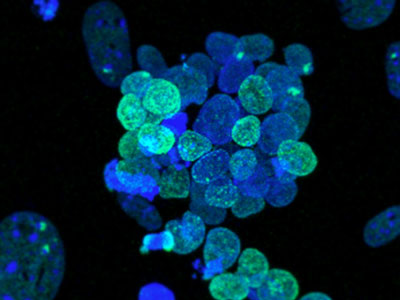
Scientists revert human stem cells to pristine state
Researchers have resolved a long-standing challenge in stem cell biology by successfully 'resetting' human pluripotent stem cells to a fully pristine state, at point of their greatest developmental potential.
September 11, 2014 Read more

Central RNA database launched
RNAcentral 1.0 provides a single access point to non-coding RNA data, vastly improving research into gene products.
September 10, 2014 Read more
Plant insights could help develop crops for changing climates
A new computer model that shows how plants grow under varying conditions could help scientists develop varieties likely to grow well in future.
September 10, 2014 Read more
New infrared marker for bio-imaging
The recently developed fluorescent protein Amrose is now being used for advanced near-IR imaging procedures. With the aid of a novel evolutionary platform technology, scientists have developed this infrared marker as part of a combined effort to improve the quality of tissue imaging.
September 9, 2014 Read more
Understanding a molecular motor responsible for human development
Another mystery of the human body has been solved by scientists who have identified how a molecular motor essential for human development works. They have also pinpointed why mutations in genes linked to this motor can lead to a range of human diseases.
September 9, 2014 Read more