

Biofuel: Definition, Types, Production and Sustainability
What Is a Biofuel?
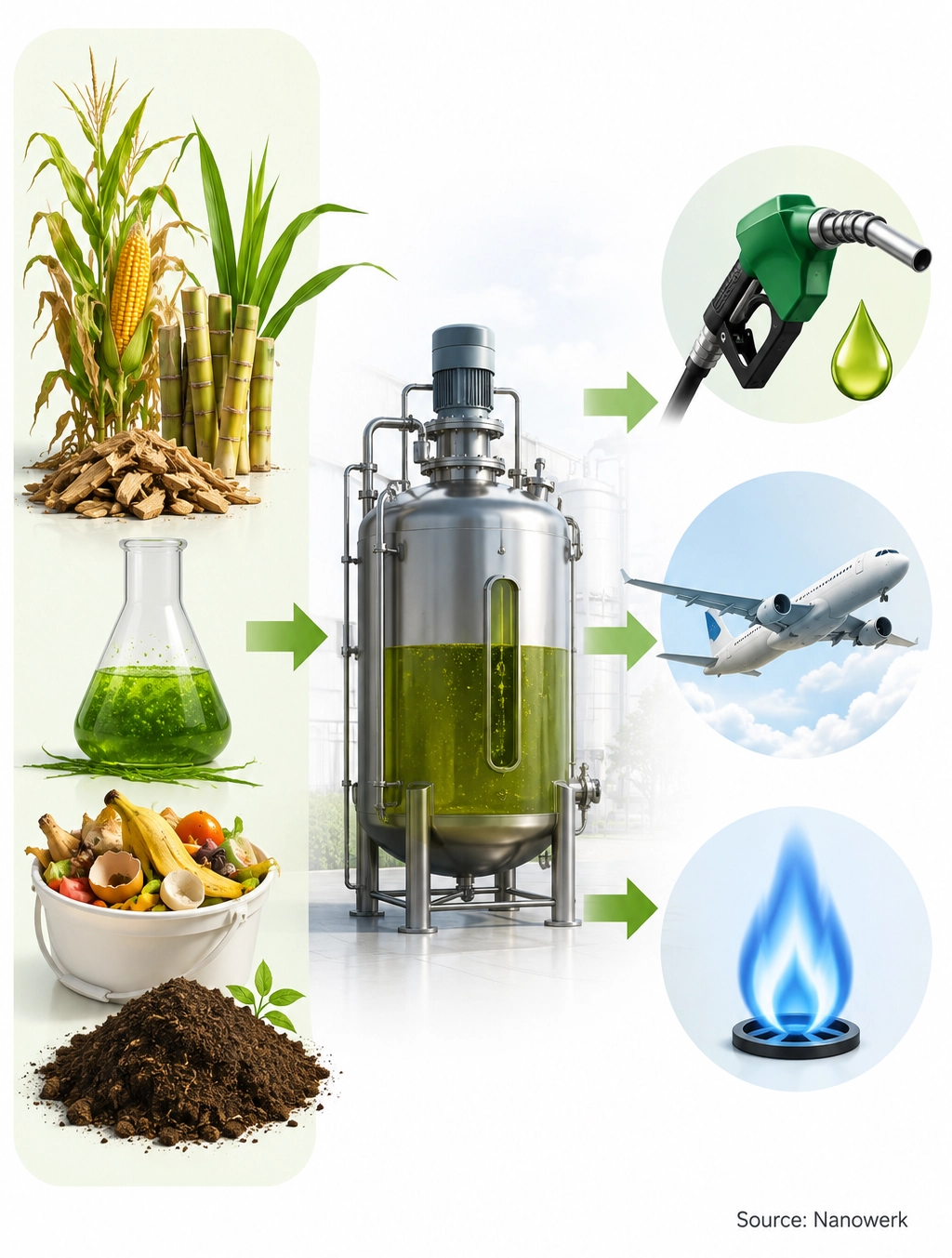
Definition: A biofuel is a fuel made from recently living biomass, such as crops, algae, microorganisms, agricultural residues, food waste or manure. Common examples include bioethanol, biodiesel, renewable diesel, biogas and sustainable aviation fuel.
In simple terms: a biofuel is a fuel made from things that were recently alive, rather than from crude oil, coal or natural gas formed over geological time. The most familiar examples are ethanol blended into gasoline and biodiesel or renewable diesel blended into diesel fuel.
In transport and industrial fuel discussions, biofuel usually refers to liquid or gaseous fuels made from biomass. In broader energy statistics, the term can also include solid biofuels such as wood pellets, firewood and charcoal. Biofuels belong to a short carbon cycle because their carbon was recently captured from the atmosphere by living organisms. That does not make every biofuel automatically carbon neutral: the real climate impact depends on the feedstock, farming inputs, processing energy, transport and land-use change.
Modern biotechnology is central to many biofuel routes. Yeast and bacteria carry out fermentation, enzymes break plant cell walls into fermentable sugars, and engineered microorganisms can be designed to produce alcohols, lipids, hydrocarbons or hydrogen.
According to recent energy-agency projections, global liquid biofuel demand is expected to approach about 200 billion liters by 2028, with growth led by ethanol, biodiesel and renewable diesel. By volume, liquid biofuels supplied roughly 5–6 percent of global road transport fuel in the mid-2020s; by energy content the share is lower because ethanol contains less energy per liter than gasoline.
At a glance:
- Biofuel: fuel made from recently living biological material
- Main examples: bioethanol, biodiesel, renewable diesel, biogas, biomethane and sustainable aviation fuel
- Main feedstocks: crops, residues, organic waste, algae, manure, waste oils and engineered microorganisms
- Main conversion routes: fermentation, transesterification, anaerobic digestion, hydroprocessing, gasification and enzymatic hydrolysis
- Key issue: climate benefits depend on full life-cycle emissions, not just the fuel molecule
Key Takeaways
- Biofuels are defined by biological origin, not by one specific chemistry.
- The dominant commercial biofuels today are bioethanol, biodiesel and renewable diesel.
- First-generation biofuels use food or feed crops; advanced biofuels use residues, waste, algae or engineered organisms.
- Biofuels can reduce fossil carbon emissions, but their benefits depend strongly on feedstock, processing energy and land-use change.
- They are most important where electrification is difficult, especially aviation, shipping, long-haul trucking and some industrial processes.
Biofuel vs. Fossil Fuel
The main difference between biofuels and fossil fuels is the age and source of their carbon. Biofuels recycle carbon that was recently captured by living organisms; fossil fuels release carbon that was locked underground for millions of years.
| Feature | Biofuel | Fossil fuel |
|---|---|---|
| Carbon source | Recently living biomass | Ancient buried biomass transformed into coal, oil or gas |
| Main examples | Ethanol, biodiesel, renewable diesel, biogas, SAF | Gasoline, diesel, jet fuel, natural gas, coal |
| Carbon cycle | Short biological carbon cycle | Long geological carbon cycle |
| Climate impact | Depends on feedstock, processing energy and land use | High net fossil CO2 emissions when burned |
Generations of Biofuels
Biofuels are often grouped into four generations based on feedstock and technology. This framework is useful but not standardized; the same product can fall into different categories depending on what it is made from. Renewable diesel or SAF made from food-crop oils, for example, is not automatically second-generation, while the same fuel made from residues or waste oils may be described as advanced or waste-derived.
| Generation | Feedstock | Typical products | Status |
|---|---|---|---|
| First | Food and feed crops: corn, sugarcane, wheat, soybean, rapeseed, palm oil | Bioethanol; biodiesel as fatty acid methyl esters | Mature and dominant in current production |
| Second | Lignocellulosic biomass: crop residues, forestry residues, dedicated energy grasses, woody biomass and the organic fraction of municipal solid waste | Cellulosic ethanol; Fischer–Tropsch diesel or jet fuel; waste- or residue-derived renewable diesel and SAF | Commercial in selected routes, but limited in scale; cost and process challenges remain |
| Third | Microalgae and cyanobacteria grown using sunlight, nutrients and CO2 | Algal lipids for biodiesel or biojet; biogas; hydrogen in research systems | Mostly pre-commercial; high productivity in principle, high cost in practice |
| Fourth | Engineered microorganisms or photosynthetic systems designed with synthetic biology | Designer hydrocarbons, alcohols, lipids or other drop-in molecules | Largely research and pilot stage |
Later generations are not automatically better in every respect. Second-generation biofuels reduce direct competition with food crops, but lignocellulosic biomass is difficult and expensive to break down. Algae and engineered microbes offer elegant biological routes to fuels, but they must still compete with the low cost, high throughput and established logistics of crop-based ethanol and oilseed-based diesel substitutes.
How Biofuels Are Produced
Biofuel production depends on the chemistry of the feedstock. Sugars and starches are fermented to alcohols. Oils and fats are converted to biodiesel or hydroprocessed into diesel- and jet-range hydrocarbons. Wet organic wastes can be digested into biogas. Tough lignocellulosic materials are pretreated, broken down with enzymes or converted thermochemically.
Fermentation to Alcohols
Bioethanol is made by fermenting sugars with microorganisms, most commonly the yeast Saccharomyces cerevisiae. Sugarcane provides sucrose directly, while corn and other starch crops are first hydrolyzed by amylase enzymes to release glucose. The ethanol is recovered by distillation and dehydration before being blended with gasoline. For cellulosic ethanol, pretreatment and cellulase or hemicellulase enzymes are needed to release sugars from cellulose and hemicellulose.
Transesterification to Biodiesel
Biodiesel is made by transesterification, a chemical reaction in which vegetable oils, waste cooking oils or animal fats react with methanol to form fatty acid methyl esters and glycerol. It can be blended with petroleum diesel in blends such as B5 or B20, depending on local standards and engine approval. Because biodiesel molecules still contain oxygen, they differ chemically from petroleum diesel and can have different cold-flow and storage properties.
Hydroprocessing to Renewable Diesel and SAF
Renewable diesel and many forms of sustainable aviation fuel are made by hydroprocessing fats, oils and greases. The most important aviation route today is the HEFA pathway, short for hydroprocessed esters and fatty acids. HEFA removes oxygen from waste fats, oils and greases and converts them into hydrocarbon molecules in the diesel or jet-fuel range. These fuels are often called drop-in fuels because they are closer to petroleum hydrocarbons than biodiesel esters are.
Anaerobic Digestion to Biogas
Biogas forms when bacteria and archaea decompose wet organic material without oxygen. Feedstocks include manure, sewage sludge, food waste and landfill waste. The resulting gas contains methane and carbon dioxide. After cleaning and upgrading, biomethane can be injected into gas grids or used as a vehicle fuel.
Lignocellulosic and Thermochemical Routes
Agricultural residues, forestry residues and woody biomass contain cellulose, hemicellulose and lignin. These materials can be converted biologically by pretreatment, enzymatic hydrolysis and fermentation, or thermochemically by gasification, pyrolysis or hydrothermal liquefaction. Gasification produces synthesis gas, which can be converted into alcohols or Fischer–Tropsch hydrocarbons. Pyrolysis and hydrothermal liquefaction produce bio-oils or biocrudes that require upgrading before use as transport fuels.
The Role of Biotechnology
Biotechnology improves biofuels at several levels: the crop, the enzyme, the microbe and the process. Synthetic biology, genetic engineering, protein engineering and directed evolution are used to increase yield, broaden feedstock choice and reduce processing costs.
Engineered yeasts can ferment both six-carbon sugars such as glucose and five-carbon sugars such as xylose, improving the economics of cellulosic ethanol. Enzyme engineering produces cellulases and hemicellulases that tolerate heat, inhibitors and industrial process conditions. CRISPR-Cas9 and related tools help modify plants with lower lignin content or microbes with more efficient metabolic pathways. In bioreactors, process control and bioprocessing determine whether a promising pathway can become an industrial fuel route.
A major long-term goal is to move beyond ethanol and biodiesel toward molecules that match existing engines and infrastructure more closely: jet-range alkanes, isoprenoid hydrocarbons, higher alcohols and tailored lipids. These advanced biofuels require not only engineered pathways but also high titers, high production rates, stable strains and inexpensive feedstocks.
Sustainability and Climate Impact
Biofuels can lower greenhouse gas emissions when they replace fossil fuels, especially if they are made from waste, residues or high-yield crops grown without land conversion. The basic reason is that biomass absorbs CO2 while growing, and that carbon is then released when the fuel is burned. However, life-cycle emissions also include fertilizer production, farm machinery, irrigation, transport, processing energy and co-product allocation.
Land-use change is the largest sustainability risk. If forests, peatlands or grasslands are converted to grow biofuel crops, the carbon released from soils and vegetation can erase the benefit of replacing fossil fuel. Indirect land-use change is harder to measure but can occur when fuel crops displace food crops and agriculture expands elsewhere. This is the core of the food-versus-fuel debate.
Other concerns include water use, nutrient runoff, biodiversity loss and social impacts on food prices or land rights. Certification systems and fuel standards increasingly try to reward low-carbon feedstocks, cap food-based fuels and favor wastes, residues and lignocellulosic inputs. The result is that the word biofuel covers products with very different environmental profiles.
Where Biofuels Fit in the Energy System
Biofuels are unlikely to replace all fossil fuels, but they can be valuable where direct electrification is difficult. Passenger cars are increasingly shifting toward batteries, while aviation, shipping, heavy trucks and some industrial heat applications need dense liquid or gaseous fuels. Sustainable aviation fuel is therefore one of the most active growth areas, even though current SAF volumes remain small compared with global jet-fuel demand.
One 2025 analysis of announced SAF projects found that only part of planned near-term capacity had materialized and that many 2030 projects remained at risk. This illustrates a broader point: biofuel scale-up depends not only on biology and chemistry, but also on feedstock supply, capital investment, refining infrastructure, blending rules and long-term policy signals.
Future Directions
The next phase of biofuel development is focused on cheaper lignocellulosic conversion, better enzymes, more robust industrial microbes and more drop-in fuel molecules. Improved cellulases, yeasts that ferment mixed sugars, and organisms that tolerate inhibitors from biomass pretreatment remain important targets. Machine learning and high-throughput screening are increasingly used to search larger spaces of enzyme variants, metabolic pathways and host strains.
Beyond plant biomass, gas fermentation uses acetogenic bacteria to convert carbon monoxide, carbon dioxide and hydrogen into ethanol or other chemicals. Such systems have already reached niche commercial deployment for ethanol from industrial off-gases, but they are not yet mainstream biofuel routes. Electrobiofuels and engineered photosynthetic microorganisms go further by combining electricity, CO2 and microbial metabolism, but most remain at laboratory or pilot scale.
Frequently Asked Questions
Is biofuel renewable? Biofuel is generally considered renewable because its feedstock can be regrown or replenished on human timescales. Its sustainability still depends on how that biomass is produced, harvested and processed.
What are examples of biofuels? Common examples include bioethanol, biodiesel, renewable diesel, biogas, biomethane and sustainable aviation fuel. In broader energy use, wood pellets, firewood and charcoal are also solid biofuels.
Is biofuel the same as biomass? No. Biomass is the biological material used as a feedstock, such as crops, residues, algae or waste. Biofuel is the usable fuel made from that biomass.
What is the difference between biodiesel and renewable diesel? Biodiesel consists of fatty acid methyl esters made by transesterifying oils or fats. Renewable diesel is a hydrocarbon fuel made by hydrotreating similar feedstocks. Renewable diesel is chemically closer to petroleum diesel and is usually more compatible with existing diesel infrastructure.
Are biofuels carbon neutral? Not strictly. The carbon dioxide released when a biofuel is burned is, in principle, balanced by the carbon dioxide that the source biomass absorbed during growth. In practice, emissions from fertilizer manufacture, farm machinery, transport, processing and land-use change reduce the net climate benefit. The size of the reduction depends strongly on the feedstock and conversion route.
What is the difference between bioethanol and biodiesel? Bioethanol is an alcohol produced by fermenting sugars or starches with yeast or bacteria, and it is blended with gasoline for spark-ignition engines. Biodiesel is a mixture of fatty acid methyl esters made by reacting vegetable oils or animal fats with methanol, and it is used in compression-ignition diesel engines.
What is sustainable aviation fuel? Sustainable aviation fuel, or SAF, is a jet fuel made from biological or waste feedstocks rather than crude oil. Most SAF produced today uses the HEFA pathway, which hydroprocesses waste fats, oils and greases into jet-fuel-range hydrocarbons. Other SAF routes include alcohol-to-jet and Fischer–Tropsch synthesis from biomass or waste-derived syngas.
Do biofuels compete with food production? First-generation biofuels made from corn, sugarcane, soybean, palm oil and other food or feed crops can compete with food production for land, water and fertilizer. Advanced biofuels made from residues, wastes or dedicated non-food crops are designed to reduce this pressure, although they still need careful land-use assessment.
Can a regular car run on biofuel? Most modern gasoline cars can use E10, and some are certified for E15 depending on national standards and vehicle approval. Flex-fuel vehicles can use much higher ethanol blends such as E85. Diesel vehicles can often use low biodiesel blends, while renewable diesel is usually compatible at higher blend levels where fuel standards allow.
Are second-generation biofuels commercially available? Yes, but at much smaller volumes than first-generation fuels. Cellulosic ethanol, waste-derived renewable diesel and some SAF routes have reached commercial operation, but many lignocellulosic routes remain constrained by capital cost, enzyme cost, feedstock logistics and process complexity.
Further Reading
Nature Reviews Microbiology, Fuelling the Future: Microbial Engineering for the Production of Sustainable Biofuels
Nature Reviews Microbiology, Microbial Production of Advanced Biofuels
Proceedings of the Royal Society A, Environmental Sustainability of Biofuels: A Review
