A cellular engineering breakthrough: High-yield CRISPR without viral vectors
 Scientists develop a new approach that produces enough cells for therapeutic applications.
Aug 25th, 2022
Read more
 Subscribe to our Biotechnology News feed
Scientists develop a new approach that produces enough cells for therapeutic applications.
Aug 25th, 2022
Read more Thousands of short RNA sequences that code for microproteins and peptides have been identified, opening new avenues for disease research and drug development.
Aug 25th, 2022
Read more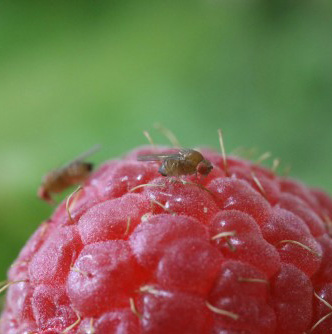 Designed to sterilize a fly species known to cause extensive crop damage, a new genetic technique replaces the need for harmful pesticides.
Aug 18th, 2022
Read more A new theory enables the simulation of complex pattern formation in biological systems across different spatial and temporal scales.
Aug 18th, 2022
Read more have discovered that spider silk proteins can be fused to biologically active proteins and be converted into a gel at body temperature.
Aug 15th, 2022
Read more Scientists have developed a new enzyme engineering platform to improve plastic degrading enzymes through directed evolution.
Aug 13th, 2022
Read more New techniques enable unprecedented versatility in the design of drug molecules.
Aug 9th, 2022
Read more Scientists have identify critical spots on the genome where gene editing could cause an unwanted response, and they provide recommendations for safer approaches.
Aug 9th, 2022
Read more Sequence modeling algorithms could eventually lead to new ways to fight diseases caused by genetic mutations.
Aug 9th, 2022
Read more The method opens new vistas for studying how stem cells self-organize into organs and may in the future help produce transplantable tissues.
Aug 6th, 2022
Read more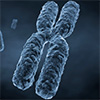 For the first time, scientists have been able to act physically on chromosomes in living cells. By subjecting the chromosomes to different forces using magnets, they discovered that chromosomes are in fact very fluid - almost liquid - outside cell division phases.
Aug 2nd, 2022
Read more The researchers identified a library of synthetic polymers and screened them for their ability to induce biofilm formation in E. coli, a bacterium that is one of the most widely studied micro-organisms, and commonly used in biocatalysis.
Aug 1st, 2022
Read more Scientists solve the riddle of how RNA molecules get to their designated locations.
Jul 30th, 2022
Read more Researchers have developed a technique to control pH at the local level, creating a dense array of microsites where the amount of protons is 100 to 1000 times higher than the average in the rest of the solution.
Jul 27th, 2022
Read more Researchers have developed a tool that logs a cell's genetic activity for days at a time. The biological device, named a Retro-Cascorder, records data within strands of DNA, which can then be analyzed at any time to get the cell�s activity log.
Jul 27th, 2022
Read more Scientists have developed a new theoretical method to study mixtures consisting of many different molecules. They analyzed how the molecules interact to reliably form different droplets, as happens continuously in living cells. With this model, particular droplet formation based on many interacting molecules can be predicted for the first time.
Jul 26th, 2022
Read more According to a research team, the CRISPR genome editing method is very effective, but not always safe. Sometimes cleaved chromosomes do not recover and genomic stability is compromised - which in the long run might promote cancer.
Jul 25th, 2022
Read more Direct uncertainty measurements are now possible in flow cytometry.
Jul 23rd, 2022
Read more