

Space Exploration News – Latest Headlines
 Subscribe to our Space Exploration News feed
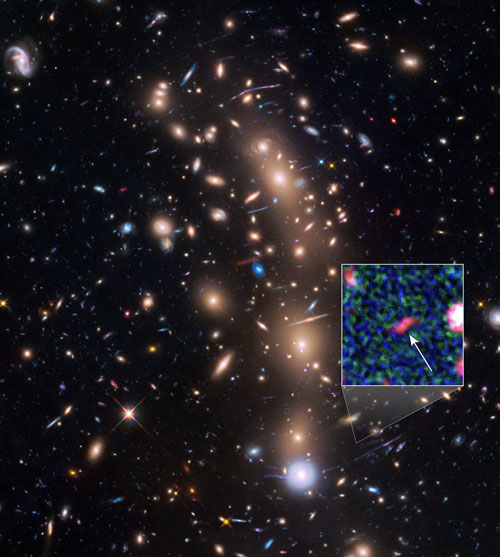
Space telescopes see magnified image of the faintest galaxy from the early universe
Astronomers harnessing the combined power of NASA's Hubble and Spitzer space telescopes have found the faintest object ever seen in the early universe. It existed about 400 million years after the big bang, 13.8 billion years ago.
December 3, 2015 Read more
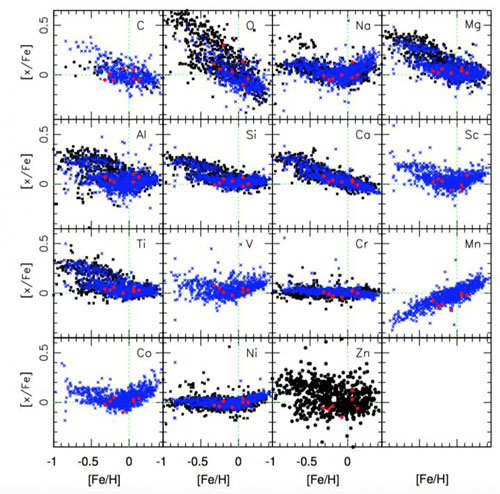
What kinds of stars form rocky planets?
As astronomers continue to find more and more planets around stars beyond our own Sun, they are trying to discover patterns and features that indicate what types of planets are likely to form around different kinds of stars. This will hopefully inform and make more efficient the ongoing planet hunting process, and also help us better understand our own Solar System's formation.
December 3, 2015 Read more
Earth-sized telescope finds clue to black hole growth
For the first time, astronomers have detected evidence of magnetic fields near Sagittarius A*, the black hole at the centre of the Milky Way, taking the study of black hole growth from theoretical expectation to empirical fact.
December 3, 2015 Read more
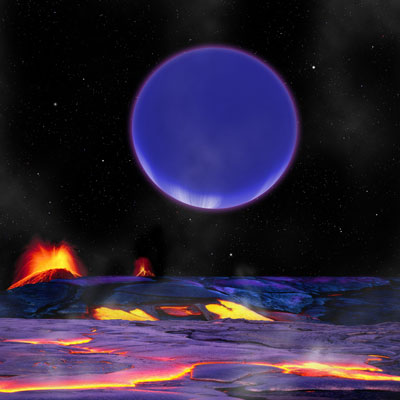
Twin civilisations? How life on an exoplanet could spread to its neighbor (w/video)
Imagine two nearby exoplanets orbiting the same sun, each with its own indigenous civilisation. They're going through history either as companionable neighbours or deadly rivals. This is a familiar situation in science fiction, but could it ever happen?
December 2, 2015 Read more
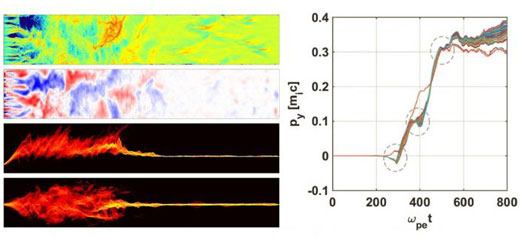
Fermi-type acceleration of interstellar ions driven by high-energy lepton plasma flows
Stochastic acceleration and shock acceleration are well recognized as key mechanisms for cosmic ray generation since first proposed by Fermi. So far, these two mechanisms have been investigated widely by analytical models and numerical simulations, but often modeled separately. Researchers have found that the two mechanisms can occur naturally in sequential two stages when a lepton flow propagates in a background interstellar plasma.
December 2, 2015 Read more
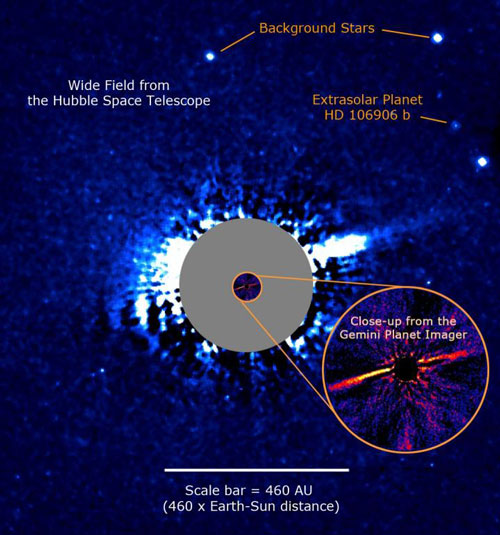
Exiled exoplanet likely kicked out of star's neighborhood
A planet discovered last year sitting at an unusually large distance from its star - 16 times farther than Pluto is from the sun - may have been kicked out of its birthplace close to the star in a process similar to what may have happened early in our own solar system's history.
December 1, 2015 Read more
Unveiling the turbulent times of a dying star (w/video)
New work sheds light on an explosive chain reaction that creates jets and, over time, helps create the structure of the universe as we know it.
November 30, 2015 Read more
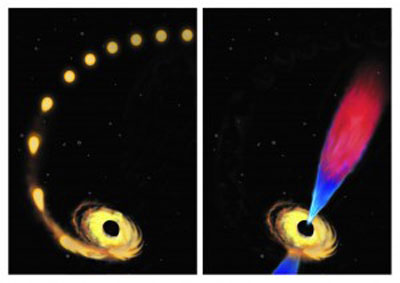
Scientists get first glimpse of black hole eating star, ejecting high-speed flare
An international team of astrophysicists has for the first time witnessed a star being swallowed by a black hole and ejecting a flare of matter moving at nearly the speed of light.
November 26, 2015 Read more
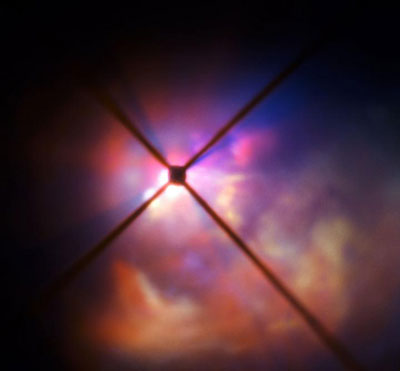
Aging star's weight loss secret revealed
VY Canis Majoris is a stellar goliath, a red hypergiant, one of the largest known stars in the Milky Way. It is 30-40 times the mass of the Sun and 300 000 times more luminous. In its current state, the star would encompass the orbit of Jupiter, having expanded tremendously as it enters the final stages of its life.
November 25, 2015 Read more
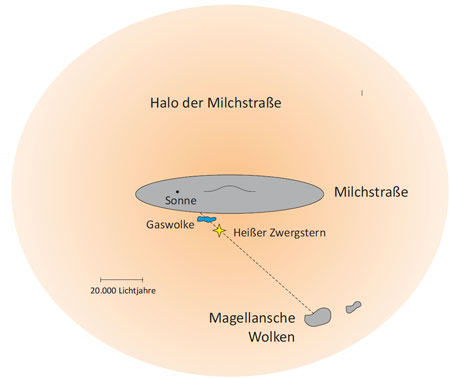
The hottest white dwarf in the Galaxy
Astronomers have identified the hottest white dwarf ever discovered in our Galaxy. With a temperature of 250,000 degrees Celsius, this dying star at the outskirts of the Milky Way has already even entered its cooling phase.
November 24, 2015 Read more
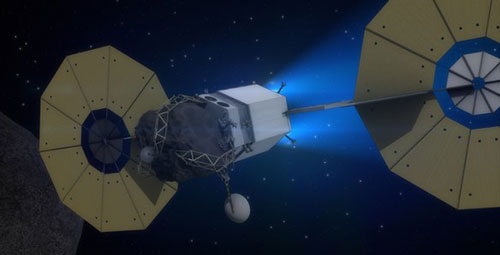
New detector perfect for asteroid mining, planetary research
A team of scientists has proposed a new type of gamma-ray spectroscope that has ideal properties for planetary exploration and asteroid mining.
November 20, 2015 Read more
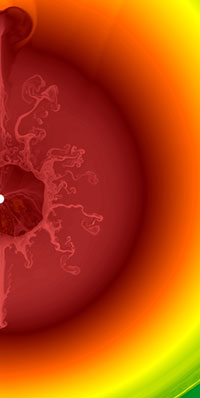
How a star turns inside out
Simulations of a supernova suggest that density variations inside a star help propel heavy elements from its core.
November 20, 2015 Read more
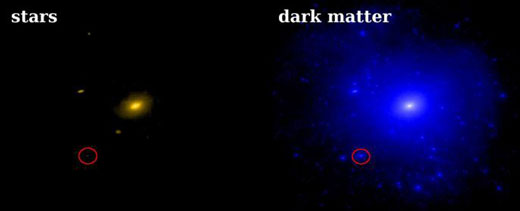
Dark matter dominates in nearby dwarf galaxy
By measuring the mass of a nearby dwarf galaxy called Triangulum II, atronomers may have found the highest concentration of dark matter in any known galaxy.
November 18, 2015 Read more
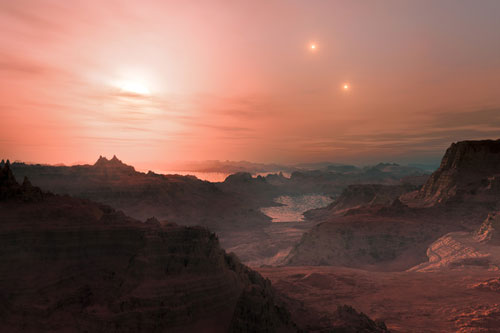
The five most Earth-like exoplanets (so far)
With nearly 2000 exoplanets found to date, it is no wonder so many of them will resemble our planet in some way. But which exoplanets are similar enough to the Earth that they could actually be habitable?
November 18, 2015 Read more
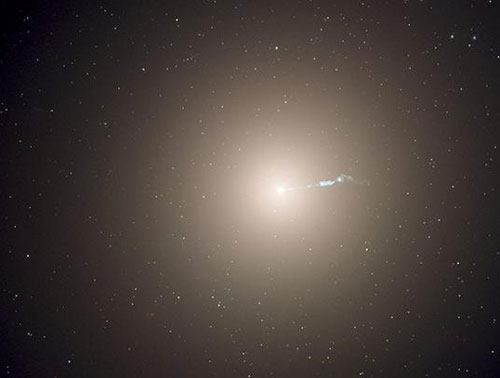
We've got the beat: Astronomers discover a distant galaxy with a pulse
Astronomers have found a galaxy with a heartbeat - and they've taken its pulse. It is the first time scientists have measured the effect that pulsating, older red stars have on the light of their surrounding galaxy.
November 16, 2015 Read more
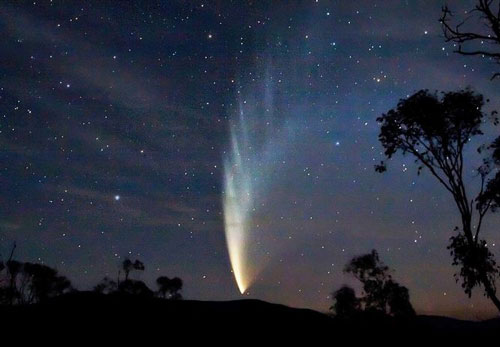
Explainer: what is interplanetary dust and can it spread the ingredients of life?
'Interplanetary dust' is hugely important. It is thought to have played a crucial role in the formation and evolution of our solar system. What's more, it may even have provided our planet with water - and kick-started life.
November 13, 2015 Read more
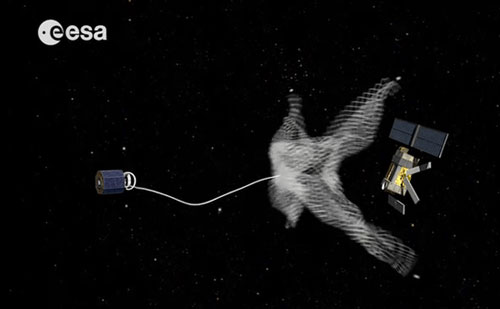
How to clean up space debris using game theory
The dilemma of whether to accept the cost of acting or risk disaster by waiting is the kind of strategic problem studied by game theory. A situation like the space debris problem, where players act just for their own benefit instead of taking group interests into account, is referred to in game theory as the 'tragedy of the commons'.
November 13, 2015 Read more
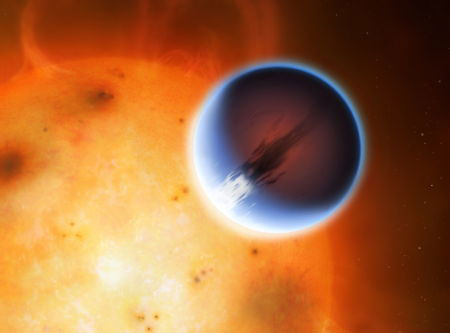
5400mph winds discovered hurtling around planet outside solar system
The wind speed recorded is 20x greater than the fastest ever known on earth, where it would be seven times the speed of sound.
November 13, 2015 Read more