

Biotechnology News – Latest Headlines
 Subscribe to our Biotechnology News feed
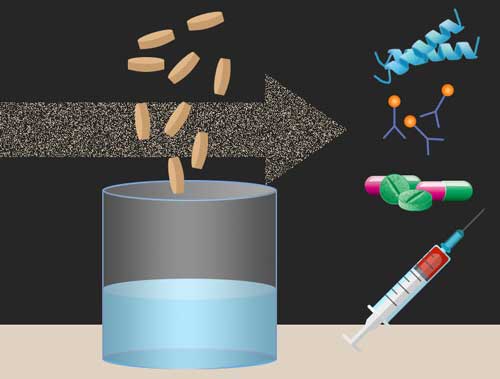
To produce biopharmaceuticals on demand, just add water
Freeze-dried cellular components can be rehydrated to churn out useful proteins.
September 23, 2016 Read more
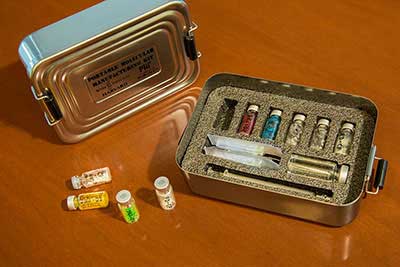
Just add water: Biomolecular manufacturing 'on-the-go'
Researchers unveil a low-cost, portable method to manufacture biomolecules for a wide range of vaccines, other therapies as well as diagnostics.
September 22, 2016 Read more
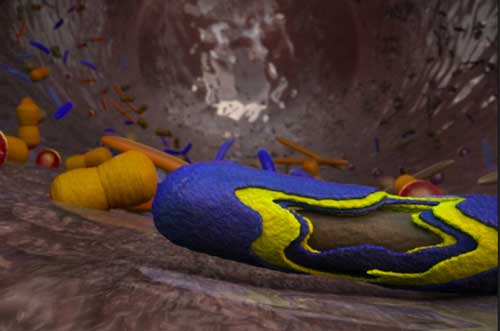
Delivering beneficial bacteria to the GI tract with a polymer coat
Researchers developed a way to coat bacteria with polymer layers that protect them from the acids and bile salts found in the digestive tract. When the microbes reach the intestine, they attach to the intestinal lining and begin reproducing.
September 14, 2016 Read more
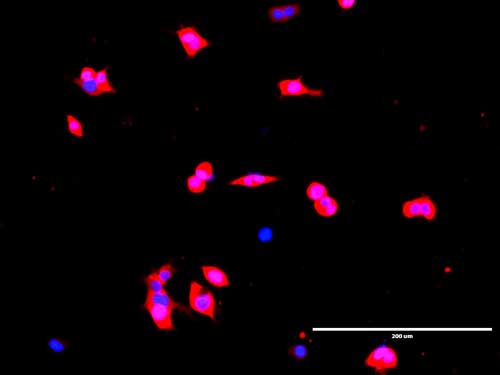
Scientists develop DNA-altering technology to tackle diseases
Researchers have developed a new protein that can alter DNA in living cells with much higher precision than current methods.
September 13, 2016 Read more
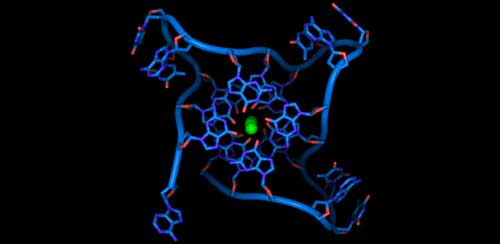
Quadruple helix form of DNA may aid in the development of targeted cancer therapies
Researchers have identified the role that a four-stranded version of DNA may play in the role of cancer progression, and suggest that it may be used to develop new targeted cancer therapies.
September 12, 2016 Read more

Human Brain Project receives 89 million euros from the European Commission
A flagship project which launched a range of prototype computer platforms to support brain research has just received an 89 million euros boost from the European Commission.
September 12, 2016 Read more
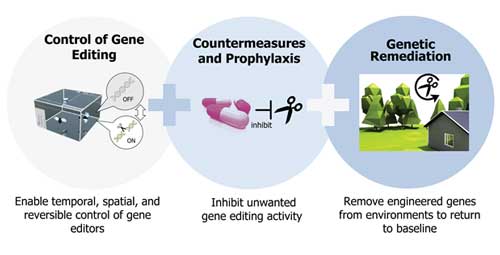
Setting a safe course for gene editing research
Safe Genes program aims to build a biosafety and biosecurity toolkit to reduce potential risks and encourage innovation in the field of genome editing.
September 9, 2016 Read more
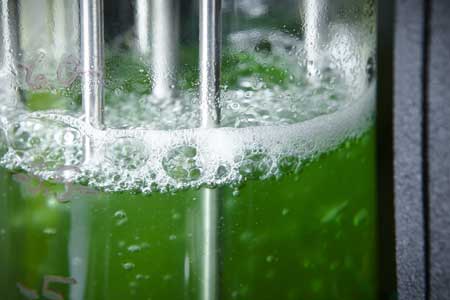
Tapping the unused potential of photosynthesis
Scientists have reengineered the fundamental process of photosynthesis to power useful chemical reactions that could be used to produce biofuels, pharmaceuticals and fine chemicals.
September 7, 2016 Read more

A minimalist theory to predict protein movements
Scientists develop a new method that predicts the way in which proteins move to exert their biological functions. They have demonstrated that protein movement is governed by the general shape of these molecules, thereby providing new data on how proteins work - a key step for drug development.
September 6, 2016 Read more

Researcher served a world first CRISPR meal
For (probably) the first time ever, plants modified with the 'genetic scissors' CRISPR-Cas9 has been cultivated, harvested and cooked. Although the meal only fed two people, it was still the first step towards a future where science can better provide farmers and consumers across the world with healthy, beautiful and hardy plants.
September 5, 2016 Read more
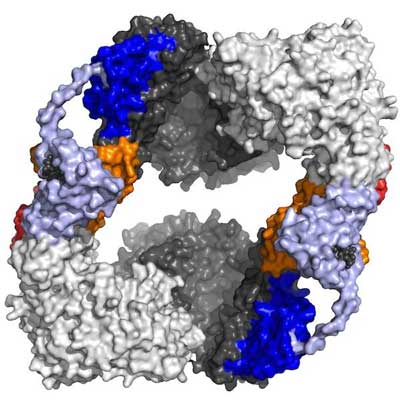
New knowledge about an enzyme that helps build and repair DNA
A study of an enzyme that helps build and repair DNA in living organisms increases our understanding of how these processes are controlled and how we can use this to combat infections.
September 5, 2016 Read more

Biofuel tech straight from the farm
Goats, sheep, and other herbivores eat many types of plants, and in the animals' guts, fungi digest the plant material. Researchers characterized several fungi involved in this digestion process and identified a large number of enzymes that work synergistically to degrade the raw biomass.
September 2, 2016 Read more
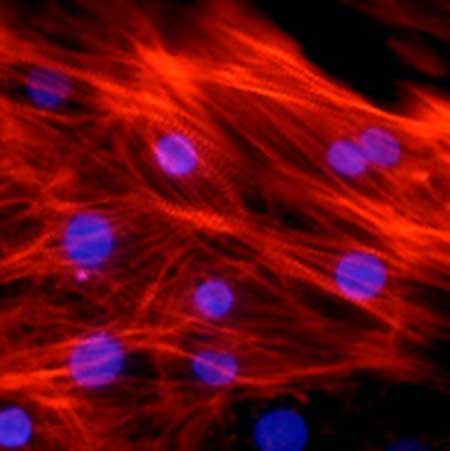
Luminous heart cells
Researchers have succeeded in producing cells which offer new insights into properties of the heart. They installed a molecular sensor into the cells which emits light, and not only makes the cells' electrical activity visible, but also makes it possible for the first time to quickly identify cell types.
September 2, 2016 Read more
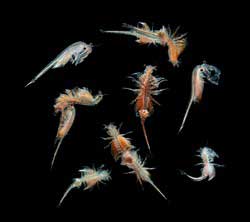
Predicting the future with evolution
Mutations are the raw material of evolution. The QUANTEVOL project was therefore established to determine whether evolutionary theory can be used to predict new mutations and their effects.
September 1, 2016 Read more
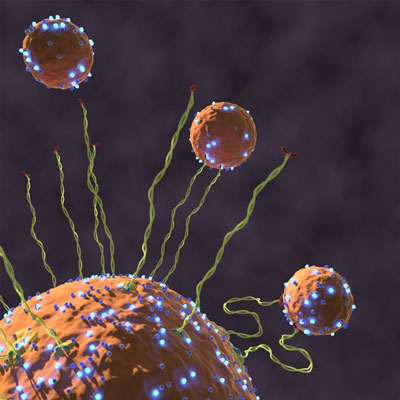
A physical mechanism to make the transport of cellular cargo efficient and specific
In order for cells to function properly, cargo needs to be constantly transported from one point to another within the cell, like on a goods station. This cargo is located in or on intracellular membranes, called vesicles. These membranes have a signature, and only those with the correct signature may fuse with the membrane of another organelle into one compartment.
August 31, 2016 Read more
CRISPR/Cas9 technology to inactivate cancer mutations
As for many other biomedical and biotechnology disciplines, the genome scissor CRISPR/Cas9 also opens up completely new possibilities for cancer research. Scientists have shown that mutations that act as cancer drivers can be targeted and repaired. The most relevant mutations could therefore be diagnosed faster, improving personalized therapies.
August 31, 2016 Read more
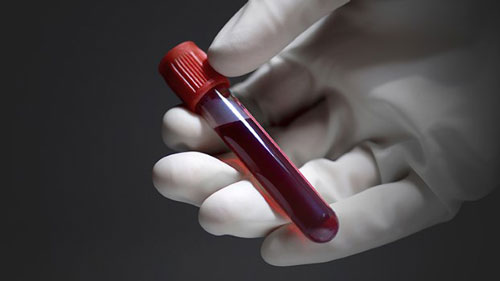
Major step towards Alzheimer's blood test
A research team has made a significant step towards the development of a simple blood test to predict the onset of Alzheimer's disease.
August 31, 2016 Read more
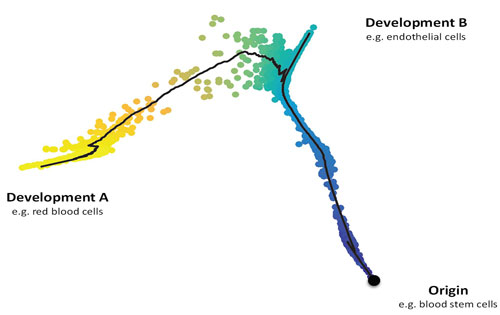
Algorithms offer insight into cellular development
Through RNA sequencing, researchers can measure which genes are expressed in each individual cell of a sample. A new statistical method allows researchers to infer different developmental processes from a cell mixture consisting of asynchronous stages.
August 31, 2016 Read more