

Cleantech and Environmental News – Latest Headlines
 Subscribe to our Cleantech News feed

Could we recycle plastic bags into fabrics of the future?
Engineers have developed self-cooling fabrics from polyethylene, a material commonly used in plastic bags.
March 15, 2021 Read more

Cheaper carbon capture is on the way
Newly developed solvent breaks barriers, captures carbon for less than industrial counterparts.
March 11, 2021 Read more

Smaller, faster, greener:Examining the environmental impact of computation and the future of green computing
Ever thought about the carbon footprint of the silicon chips inside your phone, smartwatch or the countless other devices inside your home? Every aspect of modern computing, from the smallest chip to the largest data center comes with a carbon price tag.
March 3, 2021 Read more
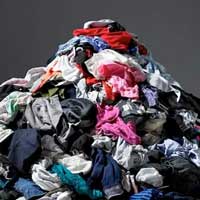
Recycled cotton becomes new fabric (w/video)
Scientists have developed a method that converts cotton into sugar, that in turn can be turned into spandex, nylon or ethanol.
March 1, 2021 Read more

Metal whispering: Finding a better way to recover precious metals from electronic waste
Inspired by nature's work to build spiky structures in caves, engineers have developed technology capable of recovering pure and precious metals from the alloys in our old phones and other electrical waste.
March 1, 2021 Read more
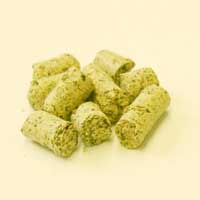
Vegetable proteins replace petroleum-based raw materials
Just like cellulose, lignin and fats, proteins are renewable raw materials. Their potential for the chemical industry remains largely untapped.
March 1, 2021 Read more

Green fuels for aviation
The goal of a new joint initiative called SynFuels is to develop a process for producing kerosene from renewable resources. In this way liquid fuel mixtures of the highest quality, which would allow the most residue-free combustion possible and thus be suitable for aircraft propulsion, should be obtainable using carbon dioxide and hydrogen from renewable resources.
February 25, 2021 Read more

There is no one-size-fits-all road to sustainability on 'Patchwork Earth'
Science and policy need to incorporate diversity and complexity of the world when thinking about a sustainable future.
February 22, 2021 Read more
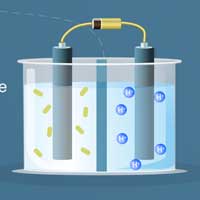
Recycling carbon emissions to useful chemicals
Researchers have developed a bioelectrosynthetic process in which electroactive bacteria convert CO/CO2 into useful metabolites like acetate and volatile fatty acids using electricity as the reducing power.
February 18, 2021 Read more

More sustainable recycling of plastics
Chemists have developed a method for more sustainable recycling of polyethylene-like plastics.
February 17, 2021 Read more

Bendable concrete and other CO2-infused cement mixes could dramatically cut global emissions
Given the scale of the industry and its greenhouse gas emissions, technologies that can reinvent concrete could have profound impacts on climate change.
February 15, 2021 Read more

Transparent wood is coming, and it could make an energy-efficient alternative to glass
In recent years, materials scientists have been experimenting with making wood transparent. Making wood see-through, and retaining its high mechanical properties, would provide a good alternative to glass from a sustainable and renewable source.
February 12, 2021 Read more

Study reveals platinum's role in clean fuel conversion
Identifying specific platinum atoms activated in a water gas shift reaction catalyst could guide the design of less costly efficient catalysts.
February 10, 2021 Read more

Bioplastics in the sustainability dilemma
Scientists investigate the factors affecting the global land use impacts and CO2 emissions of plant-based plastics.
February 5, 2021 Read more

They can capture more carbon than they emit. So why aren't wooden buildings mainstream?
There are various ways to store excess carbon dioxide. One way is to have it hidden in buildings. A new type of zero emission buildings achieves this by using wood for almost everything - from beams to pillars and staircases. Concrete is to be found only in the foundations and the ground floor.
February 2, 2021 Read more
Synthesizing valuable chemicals from contaminated soil
Researchers use electrolysis to produce dichloro and dibromo compounds in a safer and more environmentally friendly manner.
January 29, 2021 Read more

New catalyst moves seawater desalination, hydrogen production closer to commercialization
Seawater is abundant and cheap, making it a tempting resource to meet the world's growing need for clean drinking water and carbon-free energy. Now researchers have reported a new catalyst that can be made quickly and inexpensively, bringing the technology closer to commercial reality.
January 28, 2021 Read more

Turning food waste back into food
Scientists have discovered fermented food waste can boost bacteria that increase crop growth, making plants more resistant to pathogens and reducing carbon emissions from farming.
January 28, 2021 Read more