

Biotechnology News – Latest Headlines
 Subscribe to our Biotechnology News feed

Scientists devise new approaches to personalized medicines
Scientists have developed broad methods to design precision medicines against currently incurable diseases caused by RNA.
December 12, 2016 Read more
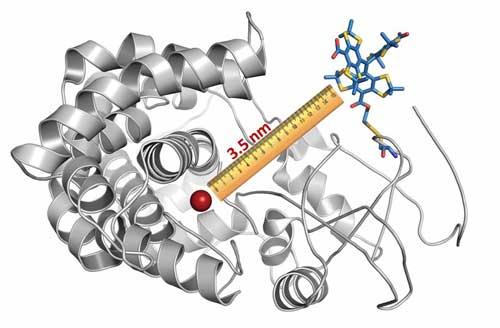
Researchers watch biomolecules at work
Scientists have succeeded in observing an important cell protein at work. To do this, they used a method that allows to measure structural changes within complex molecules. The further developed procedure makes it possible to elucidate such processes in the cell, i.e. in the natural environment.
December 9, 2016 Read more
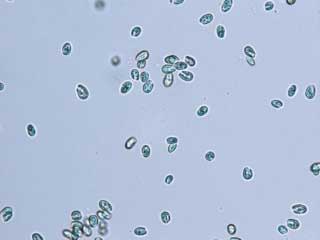
Why cryptophyte algae are really good at harvesting light
The key to their survival, a study reveals, is the ability to more than triple how fast they capture light energy and funnel it through to molecules that convert it into food. The finding could generate new bio-inspired designs for light-harvesting systems.
December 8, 2016 Read more
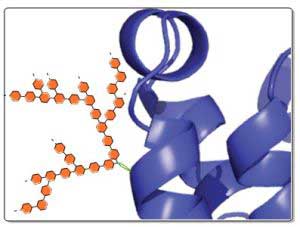
Construction kit for designer proteins
Scientists develop a method to produce on a large scale complex proteins for pharmaceutical and bioengineering use.
December 8, 2016 Read more
Scientists learn more about how motors maneuver our cells' roadways
Much like motors power our cars, they also ensure that proteins get to the right place in our cells, and a wide variety of diseases - from cancer to heart problems - can result when they don't. Now scientists have evidence of more flexibility and a little crosstalk in how motors maneuver our cells' intricate roadway system.
December 6, 2016 Read more
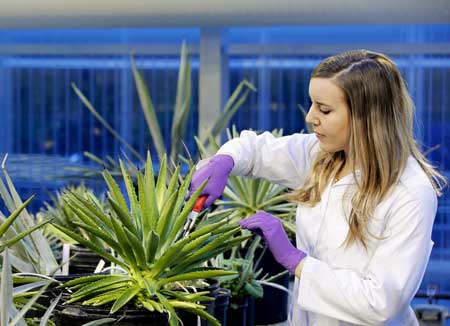
New study of water-saving plants advances efforts to develop drought-resistant crops
As part of an effort to develop drought-resistant food and bioenergy crops, scientists have uncovered the genetic and metabolic mechanisms that allow certain plants to conserve water and thrive in semi-arid climates.
December 5, 2016 Read more
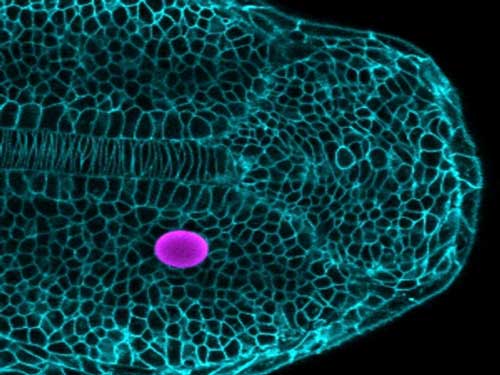
Powerful new technique developed at UCSB reveals the mechanical environment of cells in the living embryo
Scientists have developed a powerful new technique that reveals for the first time the mechanical environment that cells perceive in living tissues - their natural, unaltered three-dimensional habitat.
December 5, 2016 Read more

Stereochemistry: Self-amplifying selectivity
Chemists have designed and synthesized a catalyst which flexibly molds the handedness of the reaction products with which it interacts.
December 5, 2016 Read more
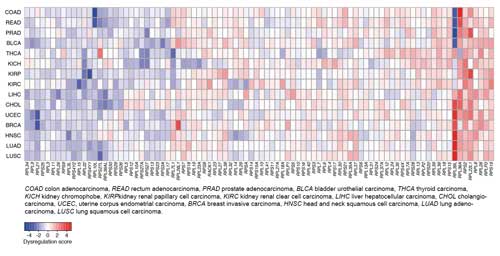
Researchers uncover protein-based 'cancer signature'
A research team has investigated the expression of ribosomal proteins in a wide range of human tissues including tumors and discovered a cancer type specific signature.
December 5, 2016 Read more
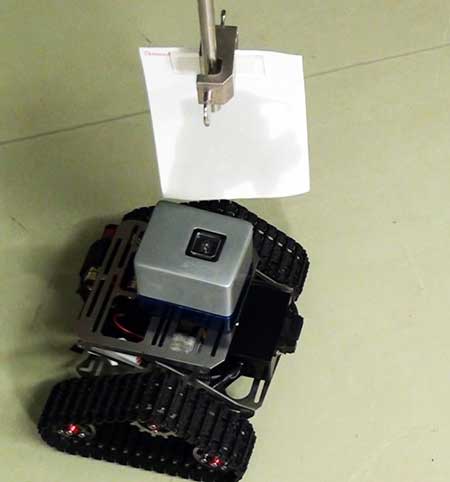
Sensor detects odor from human sweat using mosquito membrane protein
Researchers have developed an odor-detecting sensor made from a membrane protein found in mosquitoes called an olfactory receptor, which responds to the smell of human sweat, that they embedded in an artificial cell membrane.
December 1, 2016 Read more
Enhanced CRISPR lets scientists explore all steps of health and disease in every cell type
Researchers have created sOPTiKO, a more efficient and enhanced inducible CRISPR genome editing platform. They describe how the freely available single-step system works in every cell in the body and at every stage of development. This new approach will aid researchers in developmental biology, tissue regeneration and cancer.
December 1, 2016 Read more
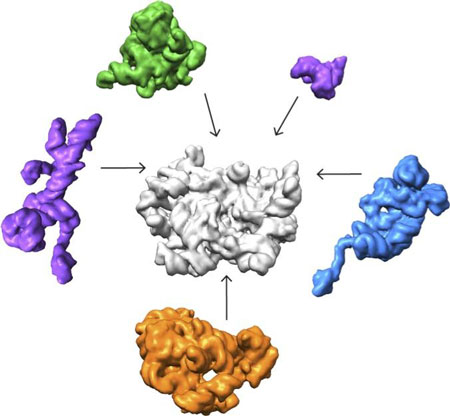
Researchers uncover how molecular machines assemble
New imaging method takes on molecular mixtures.
December 1, 2016 Read more
Mystery of biological plastic synthesis machinery unveiled
In two papers, a research team has reported the crystal structure of PHA synthase from Ralstonia eutropha, the best studied bacterium for PHA production. The research team also reported the structural basis for the detailed molecular mechanisms of PHA biosynthesis.
December 1, 2016 Read more
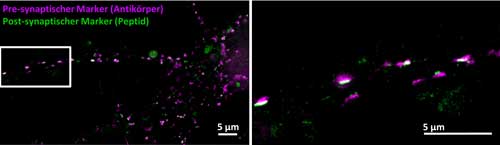
Peptides as tags in fluorescence microscopy
Researchers have established a technology platform which allows them to simultaneously visualize and test a great variety of modified peptides in the size of a microchip.
November 30, 2016 Read more
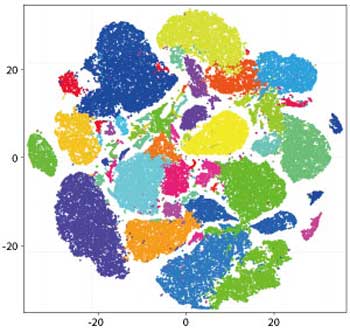
New tool to clean flow cytometry data
A more intuitive and efficient solution to get rid of anomalies in immunological studies.
November 30, 2016 Read more
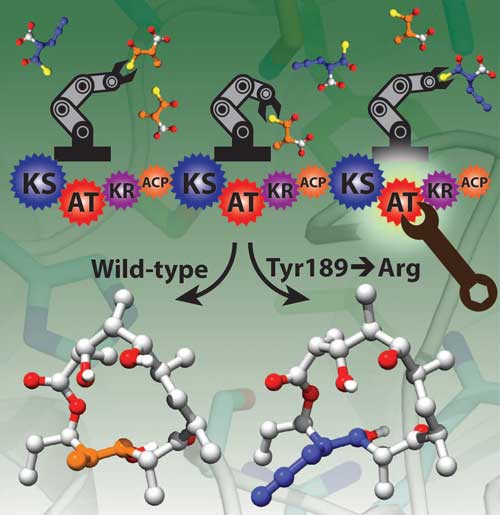
Researchers tweak enzyme 'assembly line' to improve antibiotics
Researchers have discovered a way to make pinpoint changes to an enzyme-driven 'assembly line' that will enable scientists to improve or change the properties of existing antibiotics as well as create designer compounds. The work is the first to efficiently manipulate which building blocks the enzyme selects in the act of synthesizing erythromycin, an important antibiotic.
November 29, 2016 Read more
Digital microbes for munching yourself healthy
A research team has taken an important step in modelling the complexity of the human gut's bacterial communities - the microbiome - on the computer. The researchers gathered all known data on the metabolism of 773 bacterial strains - more than ever before. Working from this data, they developed a computer model for each bacterial strain.
November 29, 2016 Read more

Mysteries of enzyme mechanism revealed
An international research team has made a breakthrough advance by trapping an intermediate in the mechanism of enzymes called heme peroxidases and determining its structure using a beam of neutrons from the heart of a nuclear reactor.
November 29, 2016 Read more