

Biotechnology News – Latest Headlines
 Subscribe to our Biotechnology News feed
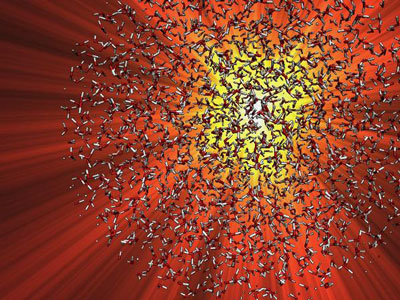
Ultrafast heating of water - This pot boils faster than you can watch it
Novel method opens new paths for experiments with heated samples of biological relevance.
December 16, 2013 Read more
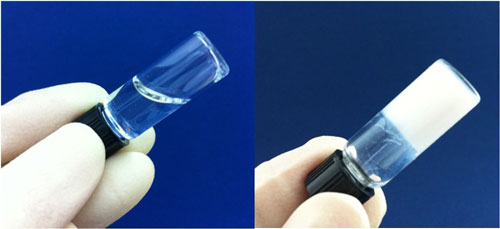
Liquid to gel to bone
Researchers develop temperature-sensitive gelling scaffolds to regenerate craniofacial bone.
December 14, 2013 Read more
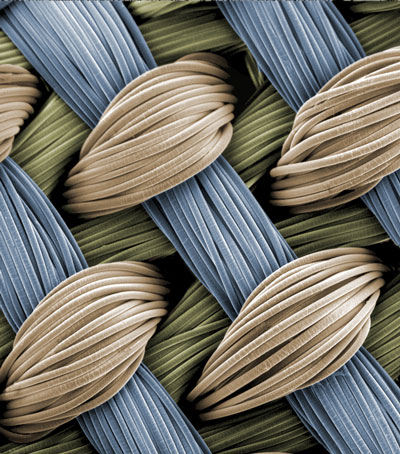
Bioengineers make strides toward artificial cartilage
A Duke research team has developed a better recipe for synthetic replacement cartilage in joints, calling for a newly designed durable hydrogel to be poured over a three-dimensional fabric scaffold.
December 13, 2013 Read more
New discovery on how skin cells form 'bridges' paves the way for advances in wound healing and tissue engineering
Breakthrough study by the National University of Singapore sheds light on skin cell migration in wound healing process.
December 13, 2013 Read more
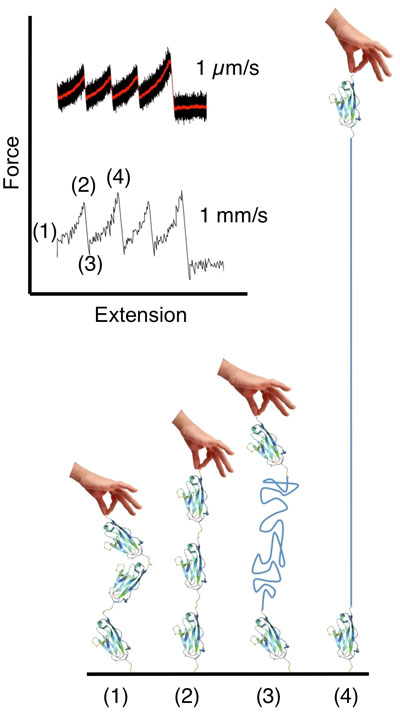
New technique to unfold biomolecules at high speed
The first experiment that allows manipulating a single molecule at computer simulation speed has been carried out in a study.
December 13, 2013 Read more

A molecular toolkit for gene silencing
Researchers managed to overcome remaining key limitations of RNA interference (RNAi) - a unique method to specifically shut off genes. By using an optimized design, the scientists were able to inhibit genes with greatly enhanced efficiency and accuracy.
December 13, 2013 Read more
Speeding up gene discovery
New gene-editing system enables large-scale studies of gene function.
December 13, 2013 Read more
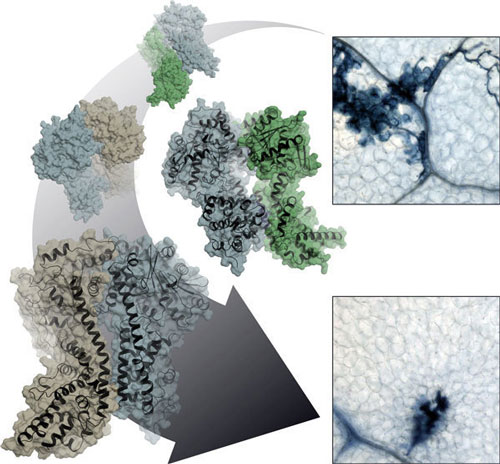
Molecular snapshot of the plant immune system's signal box
The molecular architecture of three key proteins and their complexes reveals how plants fine-tune their immune response to pathogens.
December 11, 2013 Read more
Study finds biomaterials repair human heart
Researchers investigated a biomedical application following a coronary artery bypass surgery and found that the application allowed the human body to regenerate its own tissue.
December 11, 2013 Read more
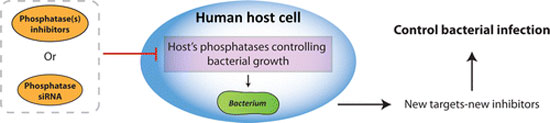
New way to fight antibiotic-resistant bacteria: Target human cells instead
As more reports appear of a grim 'post-antibiotic era' ushered in by the rise of drug-resistant bacteria, a new strategy for fighting infection is emerging that targets a patient's cells rather than those of the invading pathogens. The technique interferes with the way that the pathogens take over a patient's cells to cause infection.
December 11, 2013 Read more
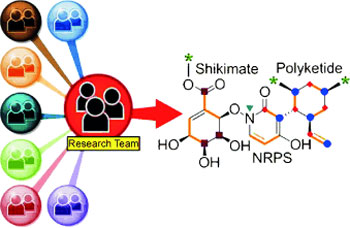
Unusual fungal metabolites with antitumor activity discovered by crowdsourcing
Since the discovery of penicillin, fungi have been a nearly inexhaustible source for the discovery of new drugs. 'Crowdsourcing', the cooperation of a large number of interested nonscientists, has helped to find a new fungus from which American researchers have now isolated and characterized an unusual metabolite with interesting antitumor activity.
December 11, 2013 Read more
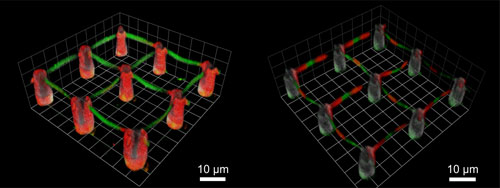
Precise docking sites for cells
The Petri dish is a classical biological laboratory device, but it is no ideal living environment for many types of cells. Studies lose validity, as cell behavior on a flat plastic surface differs from that in branched lung tissue, for example. Researchers of Karlsruhe Institute of Technology have now presented a method to make three-dimensional structures attractive or repellent for certain types of cells.
December 11, 2013 Read more
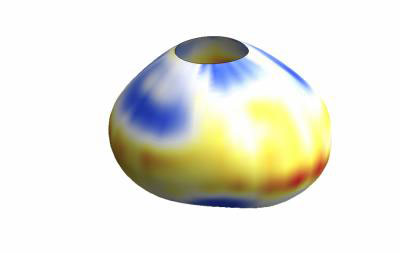
May the cellular force be with you
A new method for measuring the cellular forces that shape tissues and organs.
December 9, 2013 Read more
Novel method could help bring cancer biomarkers to clinic
International study demonstrates protein-measurement technique's potential to standardize quantification of the entire human proteome.
December 8, 2013 Read more
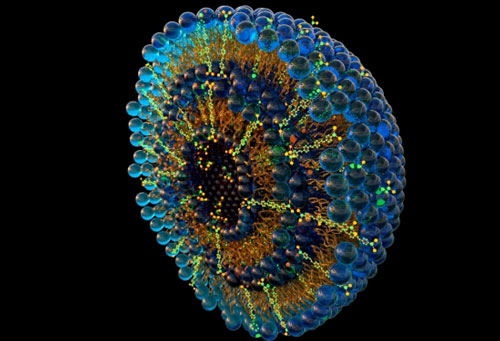
Army renews Bio-inspired Engineering and Science Research Center at UCSB with $48 million investment
Funds extend a decade of unclassified research at UCSB's Institute for Collaborative Biotechnologies in areas such as biotechnology tools, futuristic materials, energy generation and storage, systems and synthetic biology, and neuroscience.
December 6, 2013 Read more
Singapore scientists engineer human stem cells and move closer to mastering regenerative medicine
In an important scientific breakthrough in regenerative medicine, researchers at A*STAR's Genome Institute of Singapore have successfully converted human embryonic stem cells (hESCs) cultured in the laboratory to a state that is closer to the cells found in the human blastocyst.
December 6, 2013 Read more
New method of DNA editing allows synthetic biologists to unlock secrets of a bacterial genome
Scientists have demonstrated the use of an innovative DNA engineering technique to discover potentially valuable functions hidden within bacterial genomes.
December 5, 2013 Read more
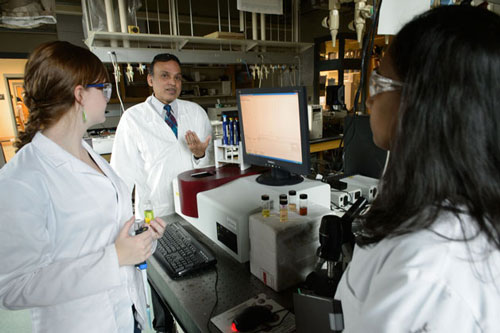
New method for stabilizing hemoglobin could lead to stable vaccines, artificial blood
A research team has found a way to stabilize hemoglobin, the oxygen carrier protein in the blood, a discovery that could lead to the development of stable vaccines and affordable artificial blood substitutes.
December 4, 2013 Read more