

Biotechnology News – Latest Headlines
 Subscribe to our Biotechnology News feed
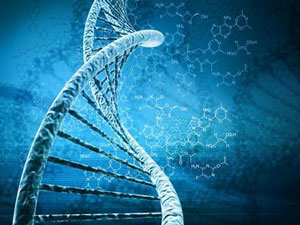
Computational biologists discover surprisingly strong effects from protein variation
Every human being has a unique DNA 'fingerprint'. In other words, the genetic material of any two individuals can be clearly distinguished. Computational biologists have now determined that the impact of these variations has been greatly underestimated. The new insights could importantly impact advances in personalized medicine.
June 19, 2017 Read more
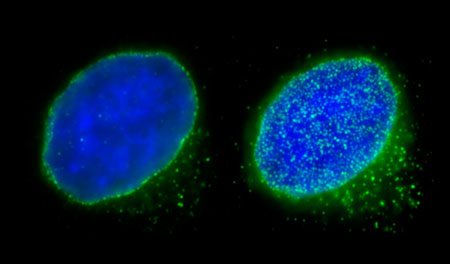
The nuclear transport option
The identification of substances entering the nuclei of human cells reveals that import molecules have distinct biological roles.
June 16, 2017 Read more
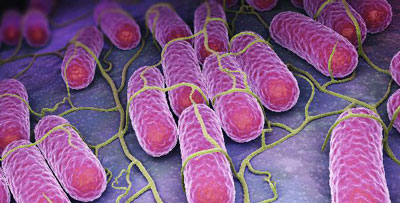
Technology which makes electricity from urine also kills pathogens
A scientific breakthrough has taken an emerging biotechnology a step closer to being used to treat wastewater in the Developing World.
June 15, 2017 Read more
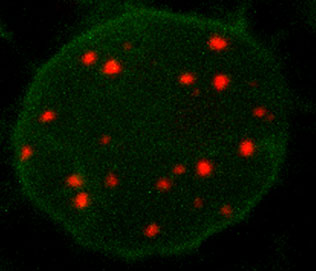
Novel application of CRISPR/Cas9 in plants - Visualizing DNA in living cells
Scientists have developed a method to visualize defined genomic sequences in living plant cells and demonstrated its ability to reveal dynamic movements of chromosome ends. This method allows the analysis of the spatio-temporal organization of the genome.
June 15, 2017 Read more
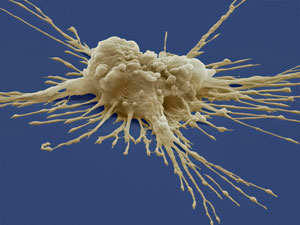
A signal of safe therapy
A new antibody could hold the secret to making stem cell therapy safer.
June 15, 2017 Read more
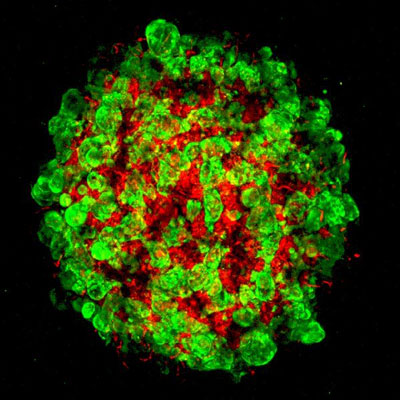
Bioengineered human livers mimic natural development
An international team of researchers bioengineering human liver tissues uncovered previously unknown networks of genetic-molecular crosstalk that control the organ's developmental processes - greatly advancing efforts to generate healthy and usable human liver tissue from human pluripotent stem cells.
June 14, 2017 Read more
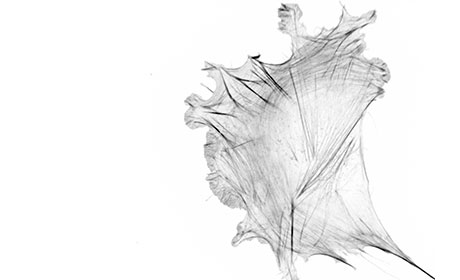
Using light to reach higher precision in cell mechanic research
Scientists use optogenetics and mathematical modelling to identify a central molecule in cell mechanics.
June 14, 2017 Read more
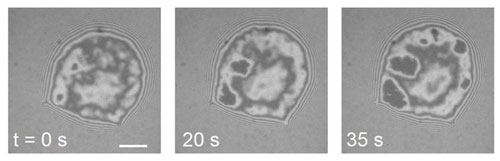
The glue that keeps cells together
New studies shed new light on cell-cell contacts: Physical effects play an important role in their generation and stability.
June 14, 2017 Read more

Making brighter protein predictions
Supercomputer simulations shorten development time of rigid fluorescent molecules used to clarify protein structure and dynamics.
June 14, 2017 Read more
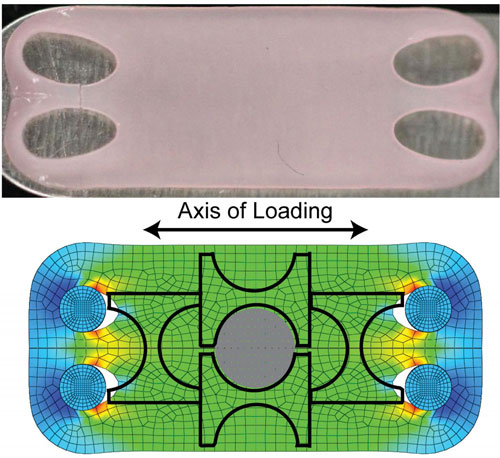
Artificial cartilage under tension as strong as natural material
Biomedical engineers have created a lab-grown tissue similar to natural cartilage by giving it a bit of a stretch. The tissue, grown under tension but without a supporting scaffold, shows similar mechanical and biochemical properties to natural cartilage.
June 12, 2017 Read more
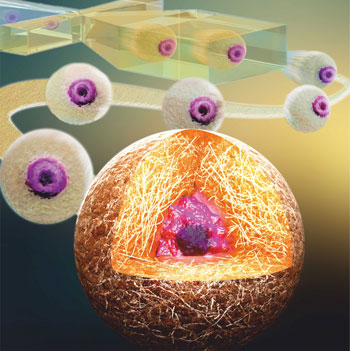
Chip captures individual cells in minuscule gels
The novel method keeps cells alive for multiple weeks, which makes it easier to study them. This makes it possible to, for example, test the action of new drugs and improve stem cell therapies with unparalleled control.
June 12, 2017 Read more
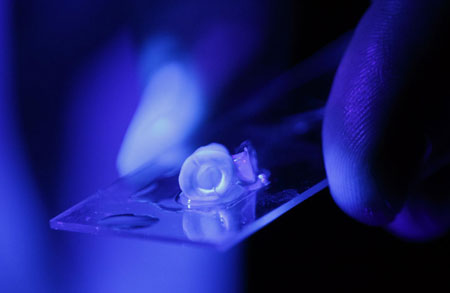
Use of prefabricated blood vessels may revolutionize root canals
Researchers have developed a process by which they can engineer new blood vessels in teeth, creating better long-term outcomes for patients and clinicians.
June 12, 2017 Read more
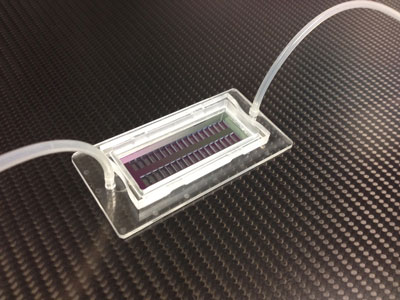
Single cells lined up like ducks in a row
Researchers have developed a new microhole chip that enables cells to be identified and characterized reliably within minutes.
June 7, 2017 Read more
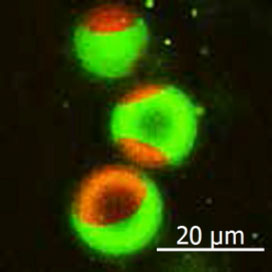
Artificial fluorescent membrane lipid shows active role in living cells
Scientists have developed new fluorescent synthetic molecules (analogs) that structurally mimic sphingomyelins and can be studied in live cells.
June 5, 2017 Read more
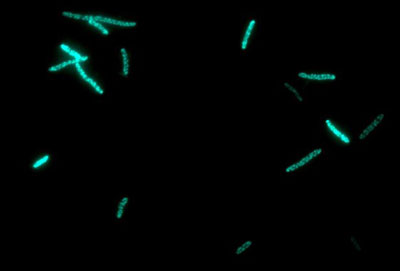
Bacteria used as factories to produce cancer drugs
Researchers have developed a method of producing P450 enzymes - used by plants to defend against predators and microbes - in bacterial cell factories. The process could facilitate the production of large quantities of the enzymes, which are also involved in the biosynthesis of active ingredients of cancer drugs.
June 2, 2017 Read more
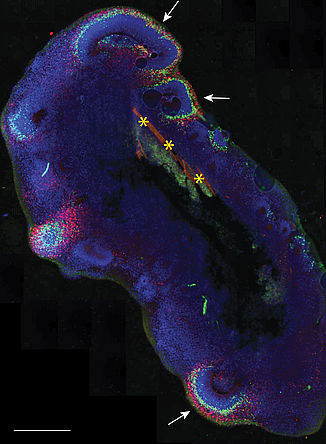
Building better brains: A bioengineered upgrade for organoids
Scientists for the first time combine organoids with bioengineering. Using small microfilaments, they show improved tissue architecture that mimics human brain development more accurately and allows more targeted studies of brain development and its malfunctions.
May 31, 2017 Read more
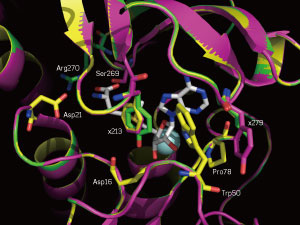
Enzymes engineered using direct evolution
Directed evolution has been used to design enzymes able to make imaging agents for medical diagnosis.
May 31, 2017 Read more
Chemical coatings boss around bacteria, in the bugs' own language
Researchers have developed a way to place onto surfaces special coatings that chemically 'communicate' with bacteria, telling them what to do. The coatings, which could be useful in inhibiting or promoting bacterial growth as needed, possess this controlling power over bacteria because, in effect, they 'speak' the bug's own language.
May 30, 2017 Read more