

Biotechnology News – Latest Headlines
 Subscribe to our Biotechnology News feed
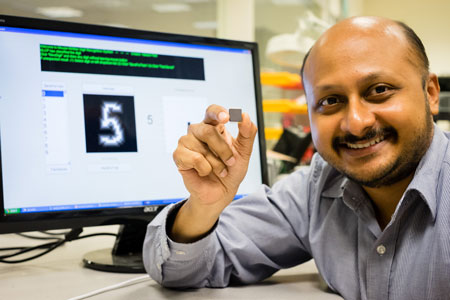
New smart chip makes low-powered, wireless neural implants a possibility
Scientists have developed a small smart chip that can be paired with neural implants for efficient wireless transmission of brain signals.
February 11, 2016 Read more
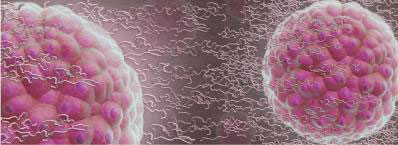
Hydrogels can put stem cells to sleep
Researchers reveal that mimicking a natural process called diapause can halt stem cells, effectively putting them to sleep for up to two weeks.
February 10, 2016 Read more
Biosensors on demand
Researchers leveraged combination of computational protein design, in vitro synthesis and in vivo testing to establish a first-of-its-kind strategy for identifying custom-tailored biosensors.
February 9, 2016 Read more
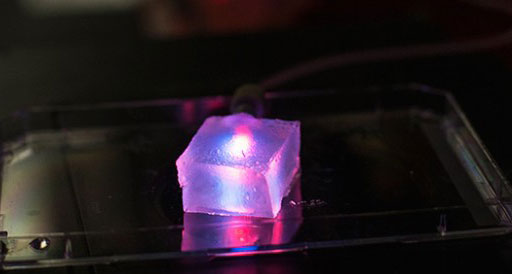
Cotton candy machines may hold key for making artificial organs (w/video)
Engineers have modified the cotton candy machine to create complex microfluidic networks that mimic the capillary system in living tissue and have demonstrated that these networks can keep cells alive and functioning in an artificial three-dimensional matrix.
February 8, 2016 Read more
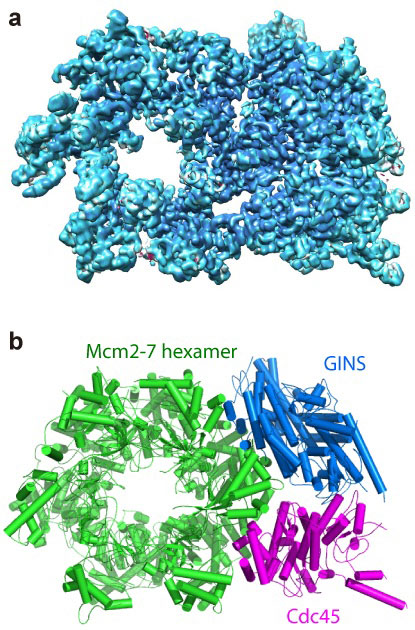
Scientists propose 'pumpjack' mechanism for splitting and copying DNA (w/video)
High-resolution structural details of cells' DNA-replicating proteins offer new insight into how these molecular machines function.
February 8, 2016 Read more
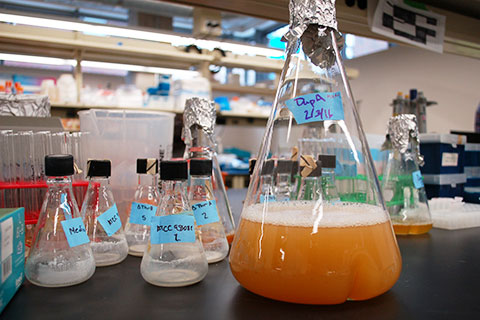
Researchers create synthetic biopathway to turn agriculture waste into 'green' products
Researchers have engineered a new synthetic biopathway that can more efficiently and cost-effectively turn agricultural waste, like corn stover and orange peels, into a variety of useful products ranging from spandex to chicken feed.
February 8, 2016 Read more
Muscles on-a-chip provide insight into cardiac stem cell therapies
Stem cell-derived heart muscle cells may fail to effectively replace damaged cardiac tissue because they don't contract strongly enough, according to a new study. This study may help explain why stem cell-based therapies have so far shown limited benefits for heart attack patients in clinical trials.
February 8, 2016 Read more
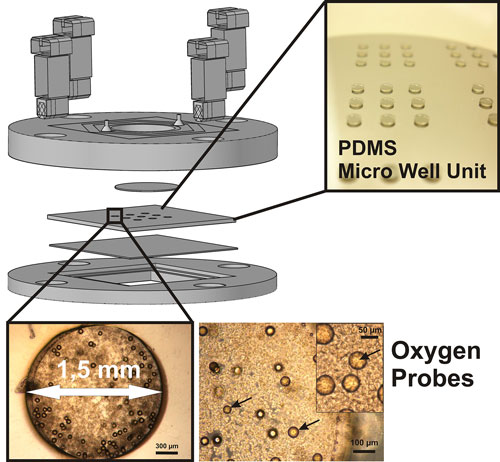
Microreactor replaces animal testing
A microreactor developed as part of a collaborative research project enables cultured liver cells to be used as test samples. Unlike animal testing, this novel method enables the assessment of potentially toxic substances on tissue in real time.
February 2, 2016 Read more
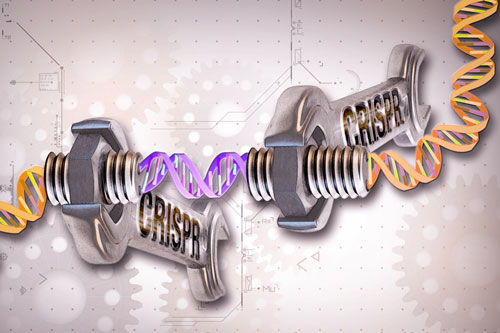
Curing disease by repairing faulty genes
New delivery method boosts efficiency of CRISPR genome-editing system.
February 1, 2016 Read more
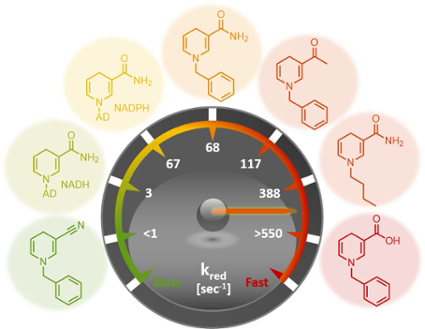
Bio-inspired biomimetics can outperform natural coenzymes
Researchers have developed a range of synthetic biomimetic compounds to replace the relatively expensive natural NADH and NADPH coenzymes in enzymatic conversions of industrial relevance. They show that some of the compounds even outperform their natural counterparts.
February 1, 2016 Read more
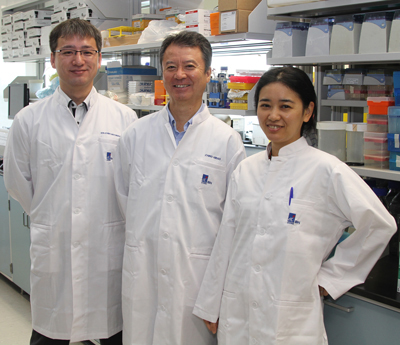
More efficient DNA technology for targeted disease detection and treatment
Researchers improved on existing technologies to create a modified single-stranded DNA molecule called aptamer. DNA aptamers are ideal for pharmaceutical applications because they can specifically bind to any molecular target in the body such as proteins, viruses, bacteria and cells.
February 1, 2016 Read more
New material with built-in vitamin A may reduce scarring
Researchers have developed a new biodegradable material with built-in vitamin A, which has been shown to reduce scarring in blood vessels. This soft elastic material can be used to treat injured vessels or be used to make medical devices, such as stents and prosthetic vascular grafts, to give them intrinsic healing properties.
January 27, 2016 Read more
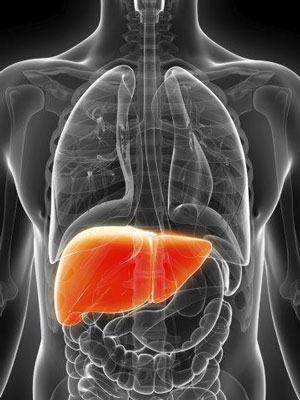
Making liver tissue in the lab for transplants and drug screening
Engineered liver tissue could have a range of important uses, from transplants in patients suffering from the organ?s failure to pharmaceutical testing. Now scientists report the development of such a tissue, which closely mimics the liver's complicated microstructure and function more effectively than existing models.
January 27, 2016 Read more
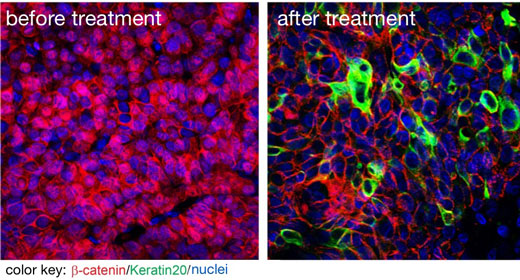
Hacking the programs of cancer stem cells
Scientists have discovered a molecule that interrupts biochemical signals essential for the survival of tumor cells called Wnt-addicted cancer stem cells. The discovery is the product of an approach known as 'rational drug design', targeting specific molecules based on a thorough understanding of the biology of a disease and the biochemical signals that support it.
January 26, 2016 Read more
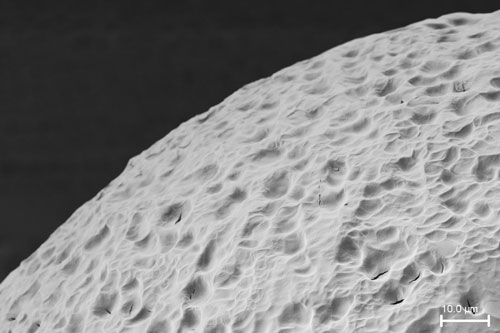
No more insulin injections?
Encapsulated pancreatic cells offer possible new diabetes treatment.
January 26, 2016 Read more
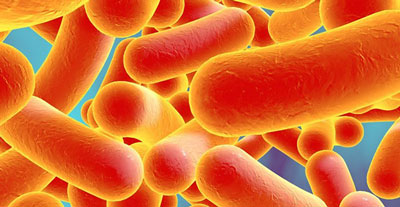
Cell morphology shapes protein patterns
Precise control of the distribution of specific proteins is essential for many biological processes. Researchers have now described a new model for intracellular pattern formation. Here, the shape of the cell itself plays a major role.
January 21, 2016 Read more
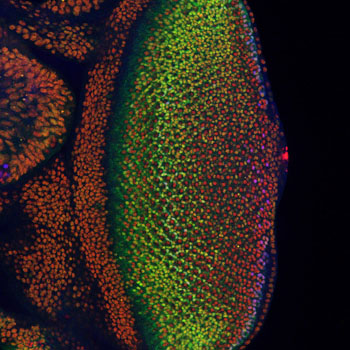
Researchers pinpoint place where cancer cells may begin
Scientists use fruit fly genetics to understand how things could go wrong in cancer.
January 21, 2016 Read more
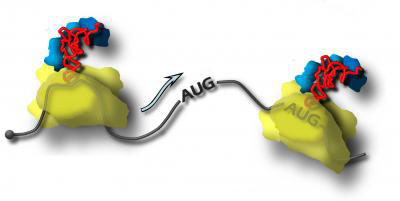
Biologists discovered a new facet of the mechanism of protein biosynthesis
Researchers have clarified how the living cell determine where protein synthesis should begin.
January 20, 2016 Read more