

Biotechnology News – Latest Headlines
 Subscribe to our Biotechnology News feed
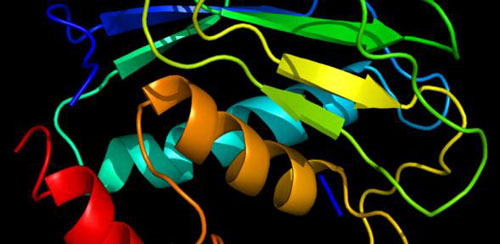
Moonlighting molecules: finding new uses for old enzymes
Researchers have identified a potentially significant new application for a well-known human enzyme, which may have implications for treating respiratory diseases such as asthma.
November 26, 2015 Read more
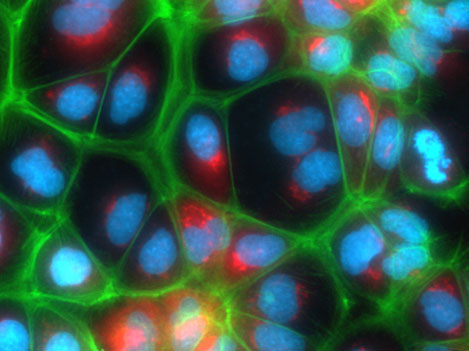
Functional human liver cells grown in the lab
Scientists describe a new technique for growing human hepatocytes in the laboratory. This groundbreaking development could help advance a variety of liver-related research and applications, from studying drug toxicity to creating bio-artificial liver support for patients awaiting transplantations.
November 26, 2015 Read more
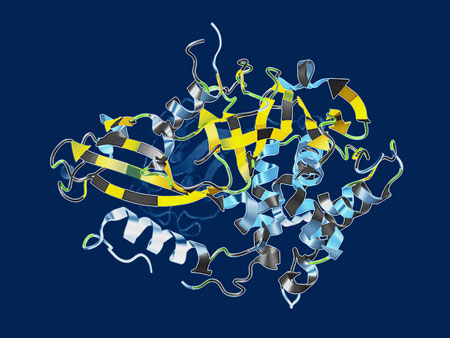
The 'dark matter' in the protein universe
Using bioinformatics methods, an international team of scientists has come one step closer to unveiling the mystery that surrounds the dark proteome.
November 25, 2015 Read more
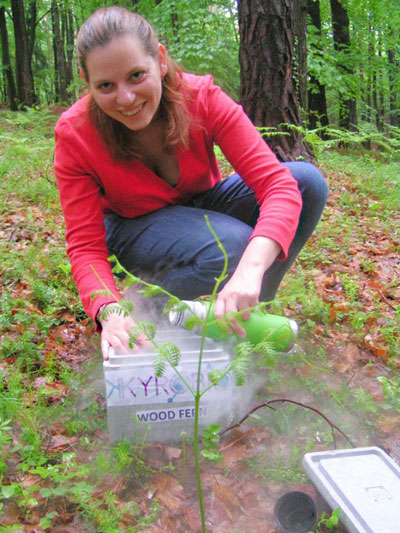
Plant defense as a biotech tool
Against voracious beetles or caterpillars plants protect themselves with cyanide. Certain enzymes release the toxic substance when the plant is chewed. These HNL-called enzymes are also important for industry. Researchers found a new biocatalyst in a fern which outshines all other HNL-type enzymes on the market.
November 24, 2015 Read more
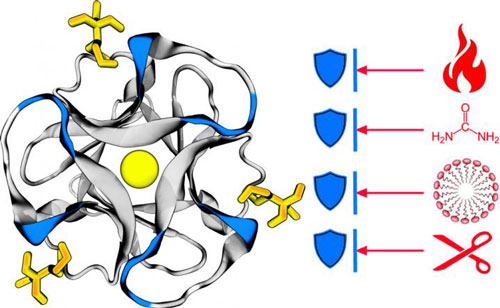
New insights into protein structure could change the future of biomedicine
Researchers have discovered a new way to create designer proteins that have the potential to transform biotechnology and personalized medicines.
November 24, 2015 Read more
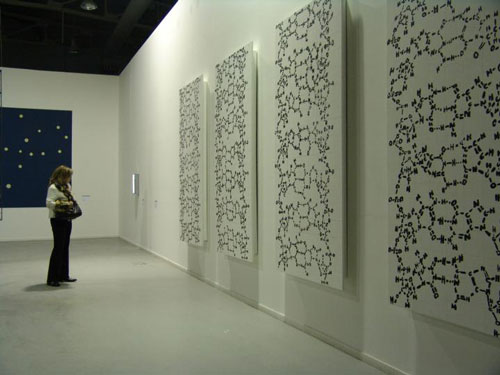
Bioart: An introduction
Bioart ranges from bacterial manipulation to glowing rabbits, cellular sculptures. In the pursuit of creating art, practitioners have generated tools and techniques that have aided researchers, while sometimes crossing into controversy, such as by releasing invasive species into the environment, blurring the lines between art and biology, and challenging scientific thinking.
November 23, 2015 Read more
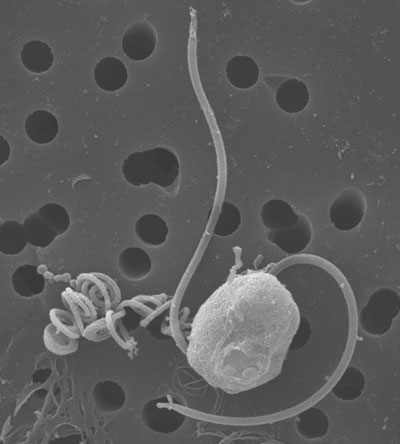
Sequencing algae's genome may aid biofuel production
Scientists have sequenced the complete genetic makeup of a species of ecologically important algae, which may aid in biofuel production.
November 19, 2015 Read more
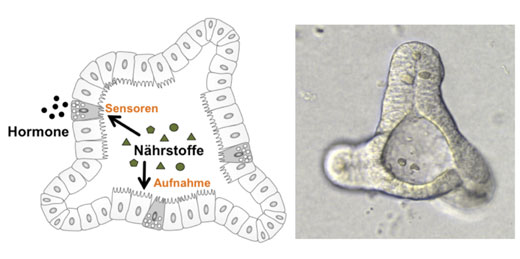
Mini-intestine grown in a test tube
Scientists shown for the first time how artificially grown mini-intestines can be used in nutritional and diabetic research.
November 19, 2015 Read more
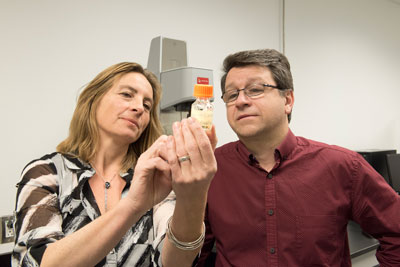
Intelligent gel attacks cancer
A new injectable biogel is effective in delivering anti-cancer agents directly into cancerous tumours and killing them.
November 19, 2015 Read more
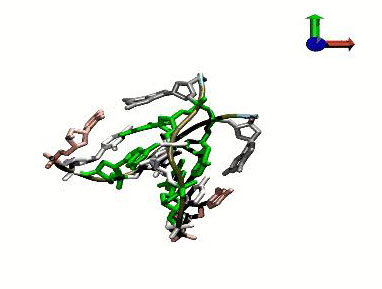
Researchers develop an advanced method and the first platform of DNA simulations
The simulation method allows the study of structural changes in DNA and of the interaction of DNA with proteins and drugs.
November 17, 2015 Read more
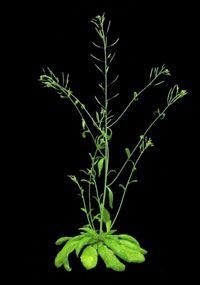
High yield crops a step closer in light of photosynthesis discovery
Researchers studying a biological process that enables tiny green algae to grow efficiently have taken the first steps to recreating the mechanism in a more complex plant. Their findings could lead to the breeding of high yield varieties of common crops such as wheat, rice and barley.
November 16, 2015 Read more
Gene drive reversibility introduces new layer of biosafety (w/video)
Ability to introduce or reverse the spread of genetic traits through populations could one day improve pest management and disease control.
November 16, 2015 Read more
Chemists turn bacterial molecules into potential drug molecules
Scientists have created molecules that mimic and dominate toxic ones secreted by bacteria. The implications for the study of biology and pharmacology are said to be enormous.
November 13, 2015 Read more
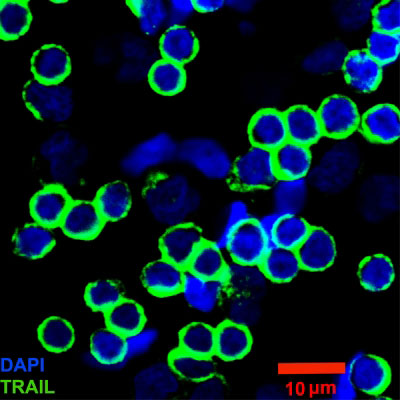
Engineers develop 'killer cells' to destroy cancer in lymph nodes
Biomedical engineers have developed specialized white blood cells - dubbed 'super natural killer cells' - that seek out cancer cells in lymph nodes with only one purpose: destroy them. This breakthrough halts the onset of metastasis.
November 13, 2015 Read more
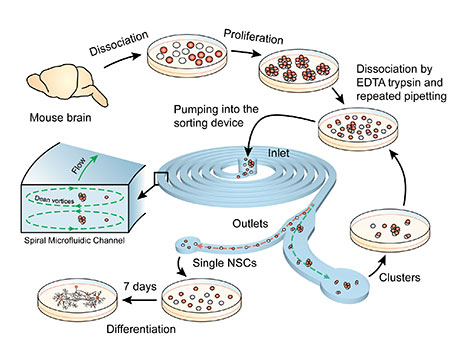
Using microfluidic devices to sort stem cells
Method safely isolates single stem cells from larger clusters.
November 9, 2015 Read more
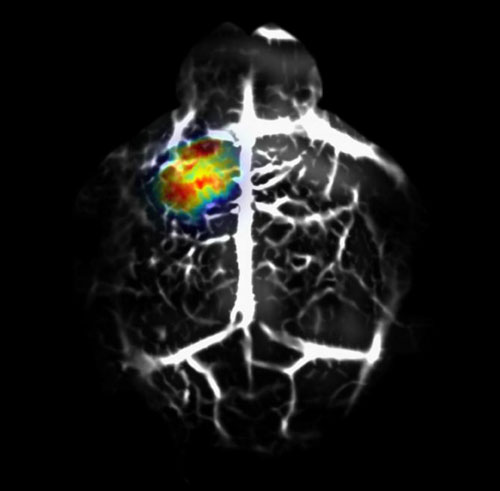
Flipping the switch to better see cancer cells at depths
Using a high-tech imaging method, a team of biomedical engineers was able to see early-developing cancer cells deeper in tissue than ever before with the help of a novel protein from a bacterium.
November 9, 2015 Read more
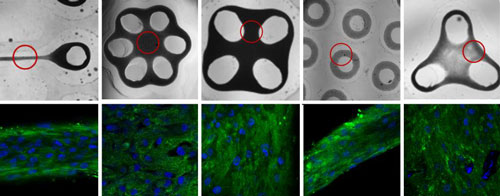
Tissue engineers recruit cells to make their own strong matrix
Scientists report culturing cells to make extracellular matrix of two types and five different alignments with the strength found in natural tissue and without using any artificial chemicals that could make it incompatible to implant.
November 9, 2015 Read more
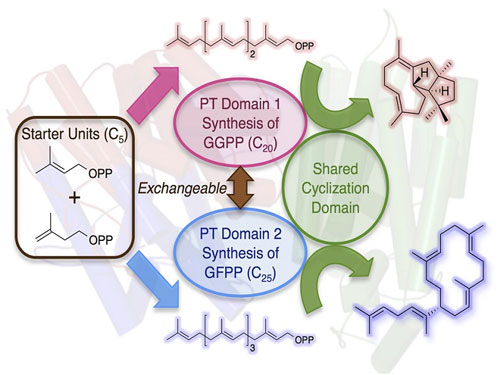
Novel compounds synthesis strategy with the chimera enzyme
Researchers have discovered and described the function of a unique enzyme involved in the biosynthesis of terpene (terpenoid) natural products, and successfully altered its function by altering its structure so that the enzyme produces another molecule.
November 9, 2015 Read more