

Biotechnology News – Latest Headlines
 Subscribe to our Biotechnology News feed
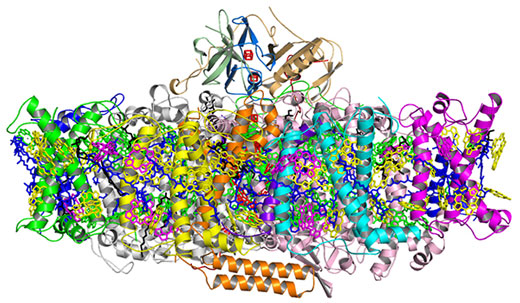
Exploring the structural basis for high-efficiency energy transfer in photosynthetic organisms
Scientists have solved the crystal structure of plant PSI-LHCI supercomplex to a resolution of 2.8 Angstrom.
September 24, 2015 Read more
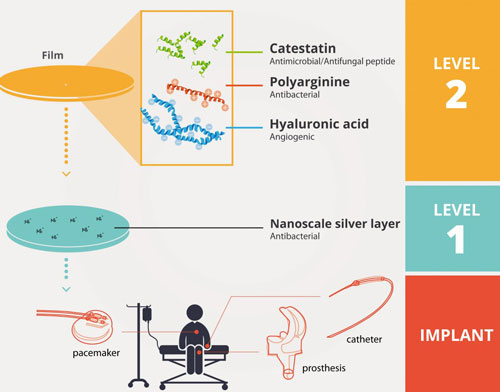
Antimicrobial film for future implants
The implantation of medical devices is not without risks. Bacterial or fungal infections can occur and the body's strong immune response may lead to the rejection of the implant. Researchers have succeeded in creating a biofilm with antimicrobial, antifungal and anti-inflammatory properties.
September 23, 2015 Read more
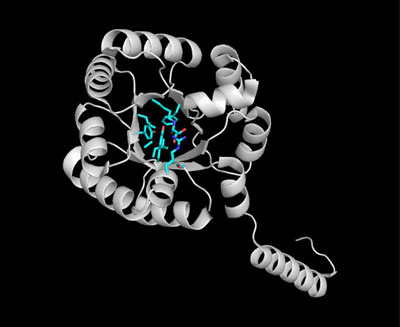
New synthesis method imitates the way molecules were formed at the dawn of life on Earth
Scientists have developed a method for synthesising organic molecules very selectively, by assembling simple molecules and using an enzyme from E. coli , which acts as a biocatalyst. This is a significant step forward since it replicates the formation of carbohydrates in conditions resembling those that presumably initiated life on the Earth and because it allows relatively large organic molecules to be obtained very selectively and efficiently.
September 23, 2015 Read more
Bioinformaticians make the most efficient search engine for molecular structures available online
Scientists have developed a search engine that significantly simplifies the identification of molecular structures of metabolites.
September 22, 2015 Read more
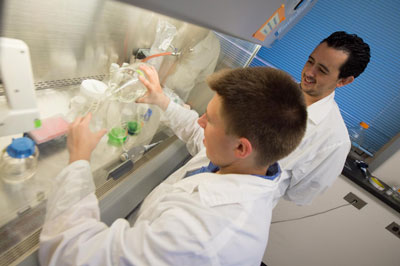
Building a biofuel-boosting Swiss Army knife
Researchers have built a molecular Swiss Army knife that streamlines the molecular machinery of cyanobacteria, also known as blue-green algae, making biofuels and other green chemical production from these organisms more viable.
September 21, 2015 Read more
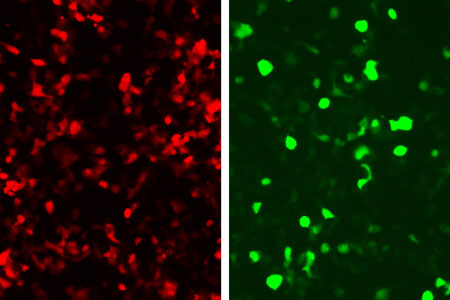
Protein-based sensor could detect viral infection or kill cancer cells
Biological engineers have developed a modular system of proteins that can detect a particular DNA sequence in a cell and then trigger a specific response, such as cell death.
September 21, 2015 Read more
Pentagon increases investment in federal synthetic biology research
New analysis finds significant US defense agencies investments, little overall attention to risk.
September 16, 2015 Read more
Synthetic biology needs robust safety mechanisms before real world application
Ethics and technology hold the key to the success of synthetic biology.
September 16, 2015 Read more
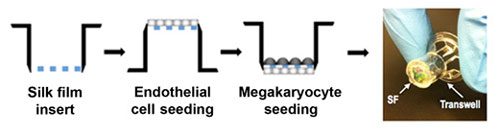
3D bone marrow made from silk biomaterials successfully generates platelets
Scientists have successfully developed a 3-dimensional tissue-engineered model of bone marrow that can produce functional human platelets outside the body.
September 15, 2015 Read more
Optogenetics: Light switch generates cellular second messenger
Light-sensitive protein from a fungus expands the optogenetic toolkit.
September 14, 2015 Read more
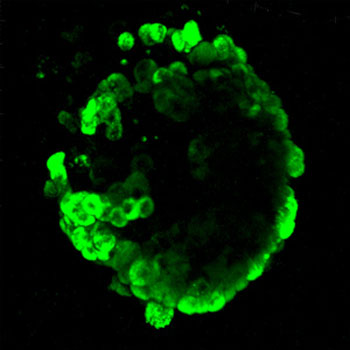
Bioimaging: Lighting up alpha cells
Clear imaging of pancreatic cells has been made possible through the development of a novel fluorescent probe.
September 11, 2015 Read more
New protein manufacturing process unveiled
Researchers have developed a user-friendly technology to help scientists understand how proteins work and fix them when they are broken. Such knowledge could pave the way for new drugs for a myriad of diseases, including cancer.
September 10, 2015 Read more
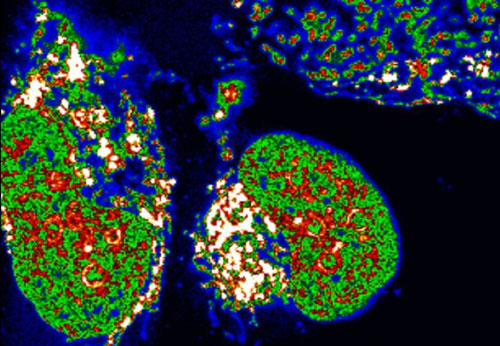
Designer molecule shines a spotlight on mysterious 4-stranded DNA
A small fluorescent molecule has shed new light on knots of DNA thought to play a role in regulating how genes are switched on and off.
September 9, 2015 Read more
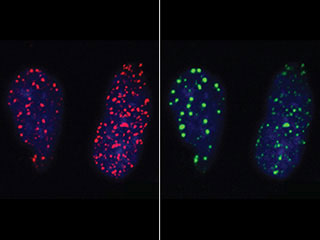
New findings shed light on fundamental process of DNA repair
Scientists have identified a new component of the molecular machinery a cell uses to repair damaged DNA. The discovery adds important knowledge about a fundamental life process that protects from diseases such as cancer.
September 8, 2015 Read more
Single molecule detection machine for nucleic acid analytics
The system can be used to identify biomarkers that are early indicators of a disease or allow forecasting the response to a therapy.
September 7, 2015 Read more
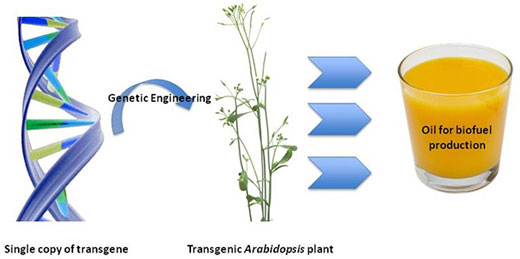
A new transgenic plant to produce biofuel
Researchers successfully introduced an engineered lipid remodeling system into a transgenic plant to enhance biofuel production.
September 7, 2015 Read more
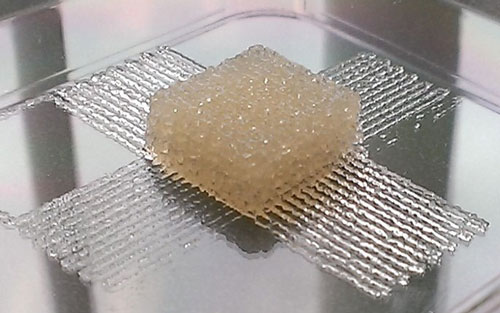
Silk bio-ink could help advance tissue engineering with 3-D printers
Advances in 3-D printing have led to new ways to make bone and some other relatively simple body parts that can be implanted in patients. But finding an ideal bio-ink has stalled progress toward printing more complex tissues with versatile functions. Now scientists have developed a silk-based ink that could open up new possibilities toward that goal.
September 2, 2015 Read more
DNA-guided 3-D printing of human tissue is unveiled
Researchers have developed a technique to build tiny models of human tissues, called organoids, more precisely than ever before using a process that turns human cells into a biological equivalent of LEGO bricks.
August 31, 2015 Read more