

Biotechnology News – Latest Headlines
 Subscribe to our Biotechnology News feed

From science fiction to reality: the dawn of the biofabricator
The 'biofabricator' is a role that melds technical skills in materials, mechatronics and biology with the clinical sciences.
August 31, 2015 Read more
Physics meets biology to defeat aging
International bio-hacker team published its scientific work on how to switch aging off.
August 28, 2015 Read more
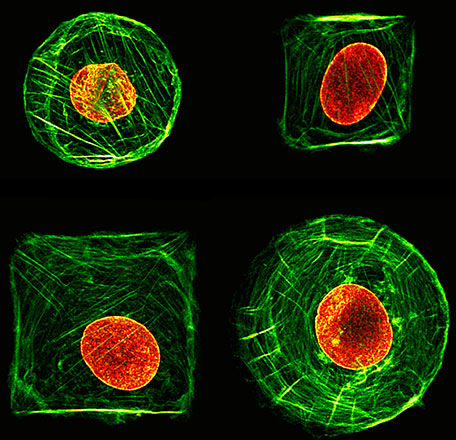
Cell mechanics are more complex than previously thought
Cell mechanics are considerably more complex than previously thought and may affect cell structures at various levels.
August 27, 2015 Read more
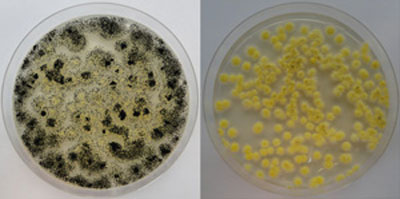
Fungi tweaked to boost industrial enzymes
Mutants of a common fungus produce endoxylanase enzymes twice as potent as the original strain.
August 26, 2015 Read more
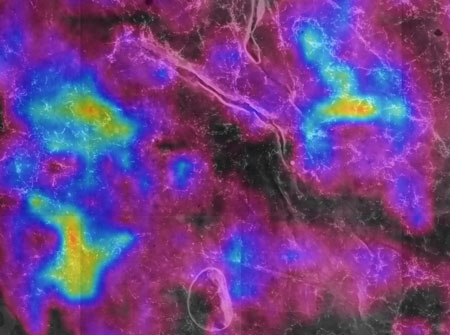
Linking molecules to microbes
Researchers visualize antibiotic substances and their bacterial producers simultaneously.
August 19, 2015 Read more
Introducing the single-cell maze runner
The motion of micro-organisms as they swim through various types of fluid channels show 'quite strange and new' responses for single cell organisms, including the performance of somersaults, meandering wanderings, and even a ballistic type of behavior.
August 19, 2015 Read more
Most complete human brain model to date is a 'brain changer'
Scientists have developed a nearly complete human brain in a dish that equals the brain maturity of a five-week-old fetus. The brain organoid, engineered from adult human skin cells, is the most complete human brain model yet developed.
August 19, 2015 Read more
New approach to generating homogeneous cell populations for cell-based assays
Researchers have developed an image-based, cell-derived patterning strategy that produces arrays of homogeneous cells with anatomical properties that mimic the cells from which the patterns were derived.
August 11, 2015 Read more
Engineering a permanent solution to genetic diseases
New research demonstrates a new technology advancing the field of genome engineering. The method significantly improves the ability of scientists to target specific faulty genes, and then 'edit' them, replacing the damaged genetic code with healthy DNA.
August 10, 2015 Read more
Bioengineers identify the key genes and functions for sustaining microbial life
A new study defines the core set of genes and functions that a bacterial cell needs to sustain life. The research, which answers the fundamental question of what minimum set of functions bacterial cells require to survive, could lead to new cell engineering approaches for E. coli and other microorganisms.
August 10, 2015 Read more
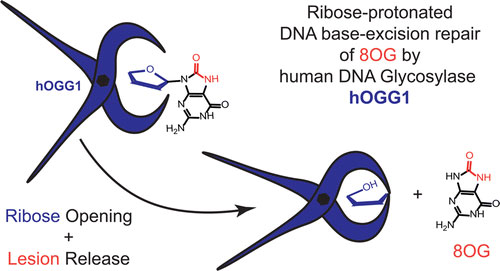
DNA repair: Pincer attack
First the scaffold is cracked, then defective parts are removed: Cells repair damaged DNA by a different mechanism than so far assumed, as chemists have shown.
August 6, 2015 Read more
Sustainable production: Cyanobacteria can manufacture biocatalysts for the industry
Using photosynthetically active microorganisms, researchers have succeeded in manufacturing several biocatalysts suitable for industrial application: a crucial step towards sustainable chemical processes.
August 5, 2015 Read more
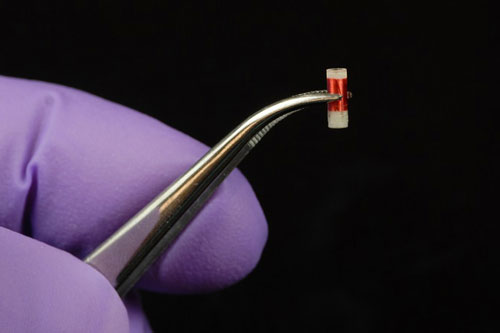
Real-time data for cancer therapy
Biochemical sensor implanted at initial biopsy could allow doctors to better monitor and adjust cancer treatments.
August 5, 2015 Read more
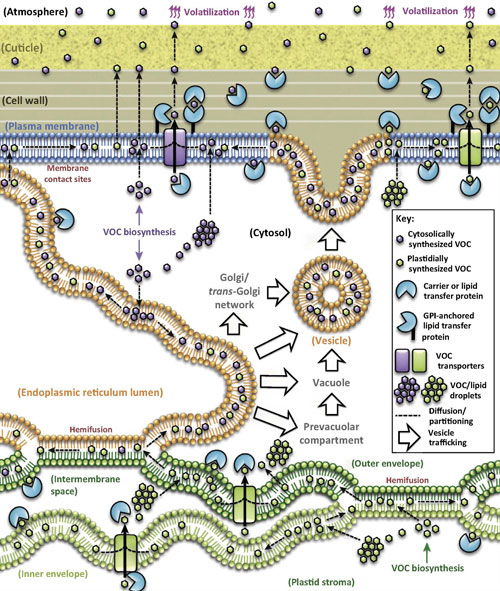
Biology, not just physics, controls release of scent compounds from plants
New research suggests active biological mechanisms transport scent and taste compounds known as volatiles from plant cells to the atmosphere, a finding that could overturn the textbook model of volatile emission as a process that occurs solely by diffusion.
August 5, 2015 Read more
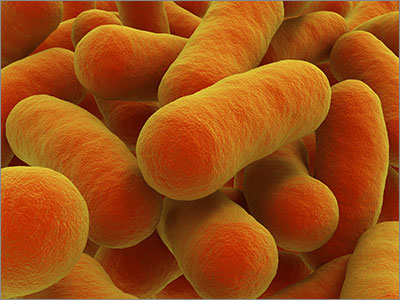
New biosensors for managing microbial 'workers'
Researchers have unveiled new biosensors that enable scientists to more effectively control and 'communicate with' engineered bacteria.
August 4, 2015 Read more
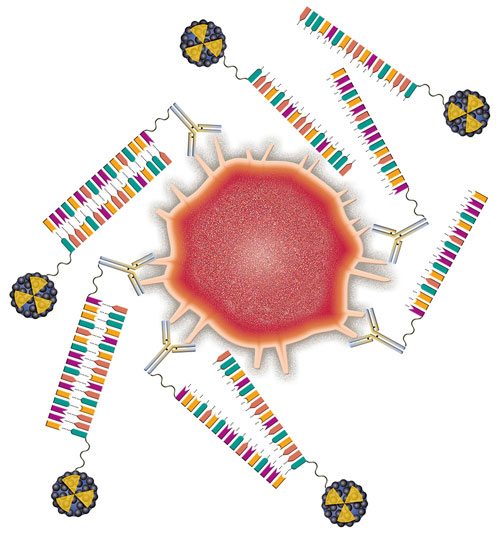
Molecular spies to fight cancer
Procedure for improving tumor diagnosis successfully tested.
August 3, 2015 Read more
Are animal models still essential to biological research?
The use of animals in scientific research prompts regular debate and it can be difficult to garner a clear picture of the actual need for animal models.
August 3, 2015 Read more
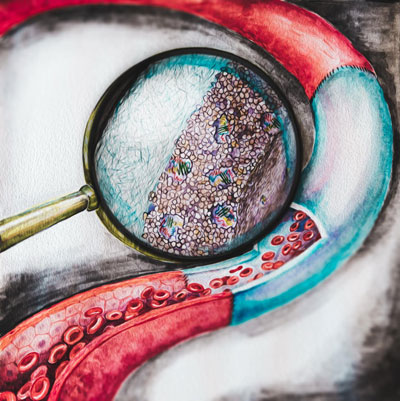
Artificial blood vessels become resistant to thrombosis
Scientists have developed artificial blood vessels that are not susceptible to blood clot formation. The achievement was made possible by a new generation of drug-containing coating applied to the inner surface of the vessel.
August 3, 2015 Read more