

Biotechnology News – Latest Headlines
 Subscribe to our Biotechnology News feed
Achieving chemical-free natural cosmetics with the power of enzymes
A EUR 7 million EU-funded project has been launched with the intention of replacing chemical cosmetic production techniques with eco-friendly alternatives. By doing so, the OPTIBIOCAT project hopes to provide the natural cosmetics sector with the necessary technical sophistication to meet growing consumer demand for natural, environmentally friendly products.
July 22, 2014 Read more
New technique uses 'simulated' human heart to screen drugs
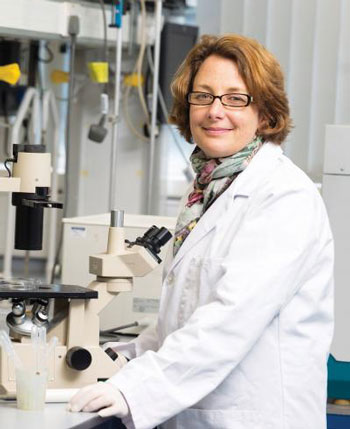
A scientist has developed a pioneering new way - using samples of beating heart tissue - to test the effect of drugs on the heart without using human or animal trials.
July 21, 2014 Read more
Scientists successfully generate human platelets using next-generation bioreactor
Researchers have developed a scalable, next-generation platelet bioreactor to generate fully functional human platelets in vitro. The work is a major biomedical advancement that will help address blood transfusion needs worldwide.
July 21, 2014 Read more
New, powerful single-cell technique to study environmental effects on DNA
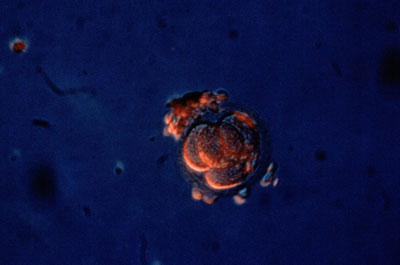
Scientists have developed a powerful new single-cell technique to help investigate how the environment affects our development and the traits we inherit from our parents. The technique can be used to map all of the 'epigenetic marks' on the DNA within a single cell.
July 21, 2014 Read more
Skin that can flex its muscles
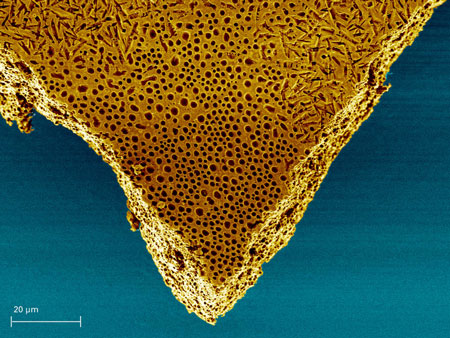
A membrane curls fast and furiously when it comes into contact with a solvent vapour.
July 21, 2014 Read more
Scientists map one of most important proteins in life - and cancer
Scientists reveal the structure of one of the most important and complicated proteins in cell division - a fundamental process in life and the development of cancer - in research published today.
July 20, 2014 Read more
Speedy computation enables scientists to reconstruct an animal's development cell by cell
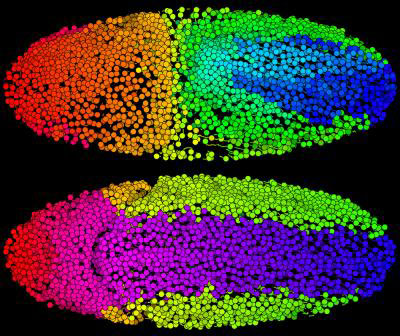
Recent advances in imaging technology are transforming how scientists see the cellular universe, showing the form and movement of once grainy and blurred structures in stunning detail. But extracting the torrent of information contained in those images often surpasses the limits of existing computational resources. Now, researchers have created a new computational method to rapidly track the three-dimensional movements of cells in such data-rich images.
July 20, 2014 Read more
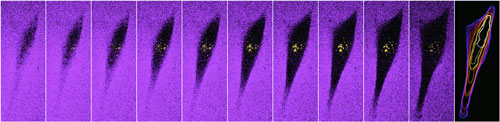
Measuring the number of protein molecules inside cells
Scientists were able to measure the amount of protein molecules in living human cells required to form an important structure of the chromosome, the centromere. This study presents new methodologies that may also be used to unveil other biological problems.
July 18, 2014 Read more
X-ray studies of biomolecules without the damage
A non-damaging x-ray technique makes it possible to investigate the detailed structure of large biomolecules, leading to a better understanding of their biological functions.
July 18, 2014 Read more
Engineering synthetic microbial communities for biomethane production
Scientists are investigating how to use methane-producing microbes, known as methanogens, to generate renewable biofuels.
July 17, 2014 Read more
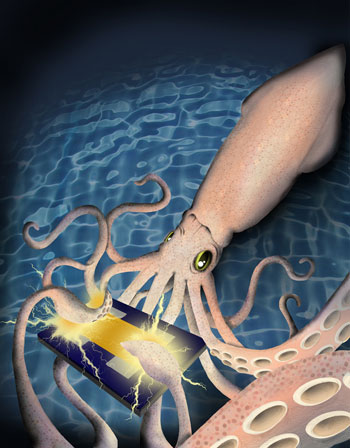
Squid skin protein could improve biomedical technologies
Conductivity could charge up futuristic disease treatments.
July 16, 2014 Read more
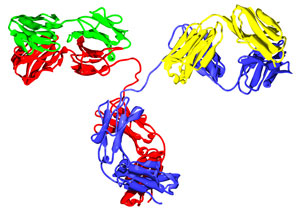
Putting protein production in proportion
A library of sequences that modify relative gene expression enables tighter control over protein production.
July 16, 2014 Read more
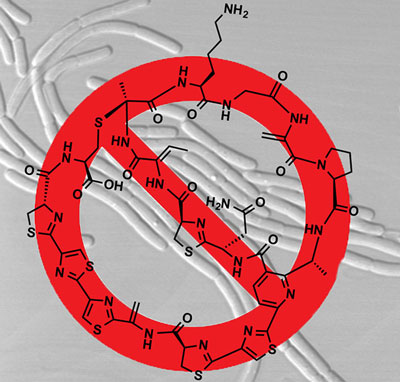
Innovative technique may transform the hunt for new antibiotics and cancer therapies
Researchers developed a new technique to quickly uncover novel, medically relevant products produced by bacteria. Past techniques involved screening more than 10,000 samples to find a novel product, but the method yielded a novel product after screening just a few dozen soil bacteria.
July 14, 2014 Read more
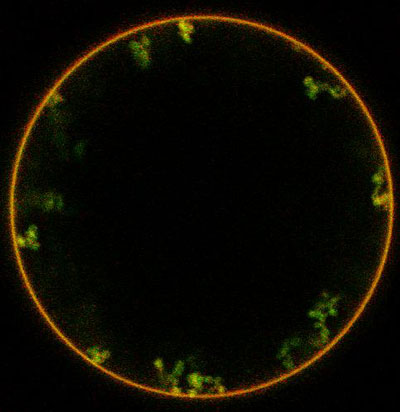
A sweet pathway into the cell
Researchers engineer bacterial proteins that can transport substances across the cell membrane.
July 14, 2014 Read more
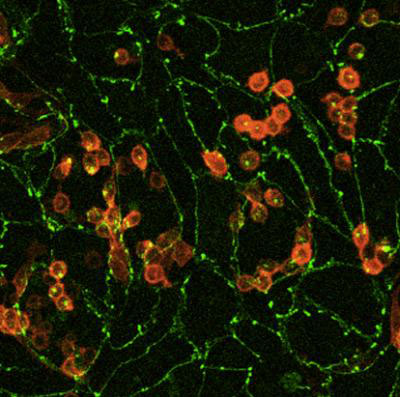
Scientists find genetic recipe to turn stem cells to blood
The ability to reliably and safely make in the laboratory all of the different types of cells in human blood is one key step closer to reality. Stem cell researchers now report the discovery of two genetic programs responsible for taking blank-slate stem cells and turning them into both red and the array of white cells that make up human blood.
July 14, 2014 Read more
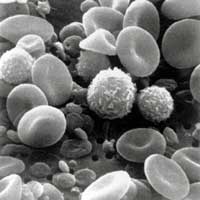
Opening-up the stem cell niche - Hematopoietic stem cell transplantation without irradiation
A novel mouse model allows for the transplantation of human blood-forming stem cells without the need for irradiation therapy.
July 11, 2014 Read more
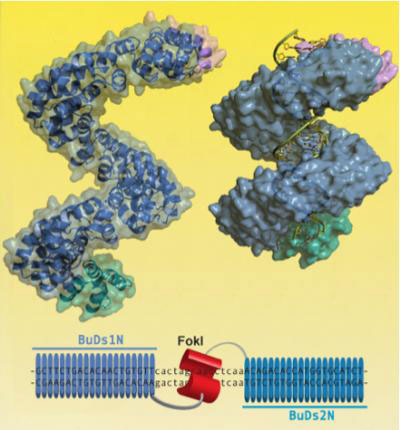
Scientists develop technology to redirect proteins towards specific areas of the genome
BuD protein domains could be used as 'drones' to direct DNA repair or activator proteins towards specific genome sequences.
July 10, 2014 Read more
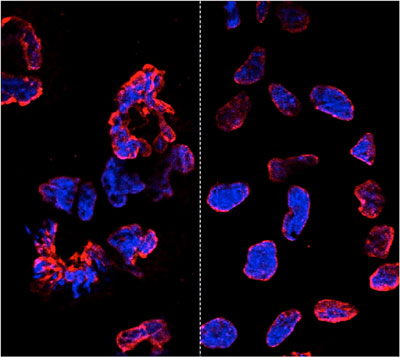
No extra mutations in modified stem cells, study finds
New results ease previous concerns that gene-editing techniques used to develop therapies for genetic diseases could add unwanted mutations to stem cells.
July 9, 2014 Read more