

Biotechnology News – Latest Headlines
 Subscribe to our Biotechnology News feed
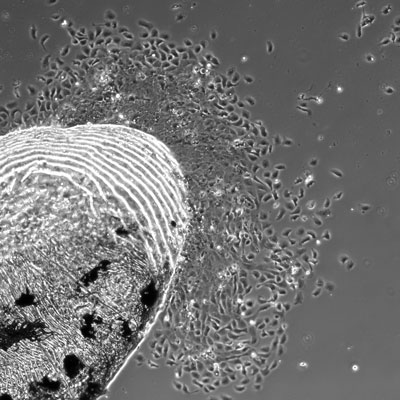
How do our cells move? Liquid droplets could explain (w/video)
Scientists have discovered a new relationship between the three-dimensional shape of the cell and its ability to migrate. The work has important implications for the fundamental understanding of cell movement and for practical applications like tissue engineering.
May 2, 2014 Read more
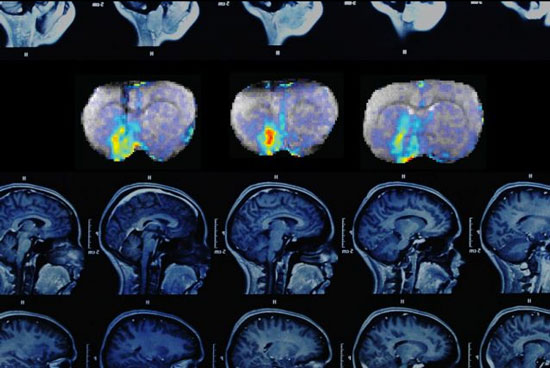
Delving deep into the brain
MRI sensor allows neuroscientists to map neural activity with molecular precision.
May 2, 2014 Read more
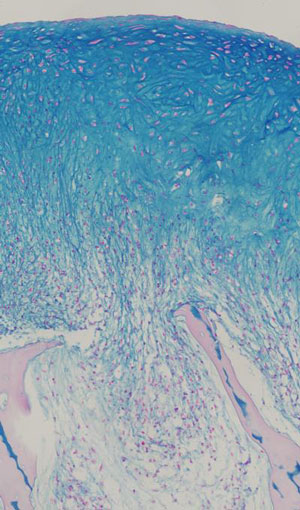
Biongineers grow functional human cartilage in lab
First time physiologically strong cartilage has been made in vitro from human stem cells.
April 30, 2014 Read more
Scientists pack lab into pill for water testing (w/video)
Researchers have reduced the sophisticated chemistry required for testing water safety to a simple pill, by adapting technology found in a dissolving breath strip. Want to know if a well is contaminated? Drop a pill in a vial of water and shake vigorously. If the colour changes, there's the answer.
April 29, 2014 Read more
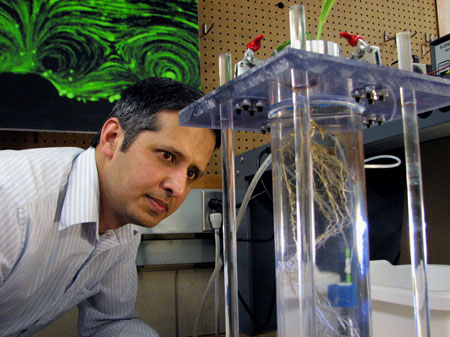
Initiative creates team of engineers, plant scientists to develop smart plants
Iowa State University engineers and plant scientists are joining forces to design better crops that tolerate climate change, produce bigger yields and feed more people.
April 29, 2014 Read more
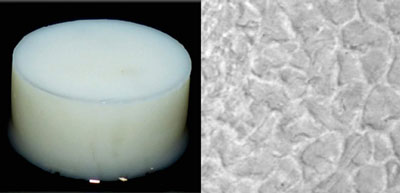
The secret ingredient that strengthens silk biomaterials
The addition of pectin molecules significantly improves the mechanical properties of silk-based hydrogels as tissue engineering substrates.
April 25, 2014 Read more

A European vision for synthetic biology has been launched today
The Strategic Vision represents the culmination of the strategic activities of the Synthetic Biology ERA-NET (ERASynBio) - a project which aims to develop and coordinate synthetic biology in the European Research Area.
April 23, 2014 Read more
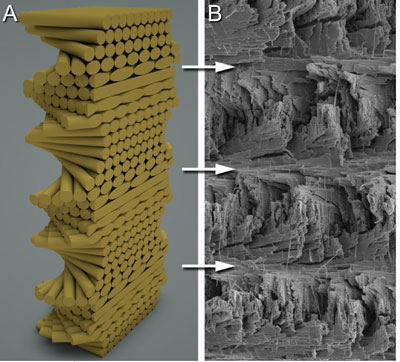
Mantis shrimp stronger than airplanes
Inspired by mantis shrimp, researchers design composite material stronger than standard used in airplane frames.
April 22, 2014 Read more
New patenting guidelines are needed for biotechnology
Biotechnology scientists must be aware of the broad patent landscape and push for new patent and licensing guidelines, according to a new paper from Rice University's Baker Institute for Public Policy.
April 22, 2014 Read more
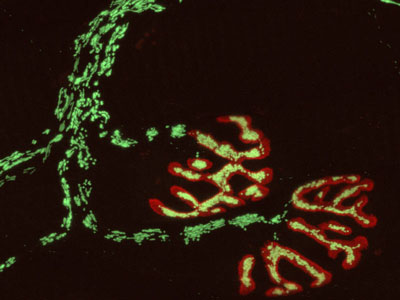
Neuroimaging: Live from inside the cell
New technique enables detailed insights into mitochondria.
April 22, 2014 Read more
Computational method dramatically speeds up estimates of gene expression
With gene expression analysis growing in importance for both basic researchers and medical practitioners, researchers at Carnegie Mellon University and the University of Maryland have developed a new computational method that dramatically speeds up estimates of gene activity from RNA sequencing data.
April 20, 2014 Read more
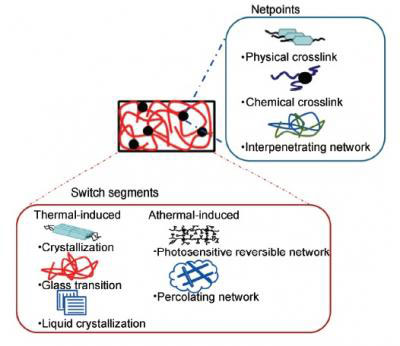
Biomedical applications of shape-memory polymers: How practically useful are they?
Shape-memory polymers are an important class of materials in medicine, especially for minimally invasive deployment of devices. However, the rate of translation of the concept to approved products is extremely low. A paper described the general usefulness as well as the limitations of the shape-memory polymers for biomedical applications.
April 17, 2014 Read more
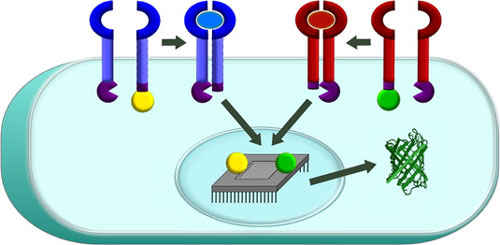
Building 'smart' cell-based therapies
Synthetic biologists have developed a technology for engineering human cells as therapies that become activated only in diseased tissues.
April 17, 2014 Read more
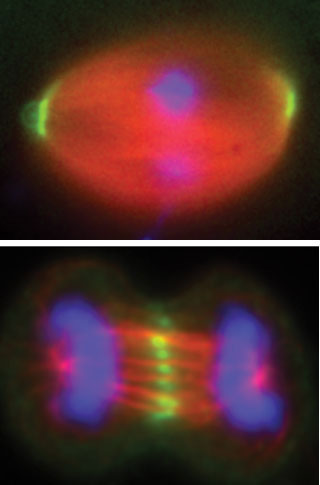
Friction harnessed by proteins helps organize cell division
A football-shaped structure, known as the mitotic spindle, makes cell division possible for many living things. This piece of cellular architecture, responsible for dividing up genetic material, is in constant flux. The filaments that form it grow and shrink, while motor-like molecules burn energy pushing them about. To ensure the complex process proceeds in an orderly fashion, molecular fasteners pin the filaments together in certain places, and new research helps explain how they do it.
April 17, 2014 Read more
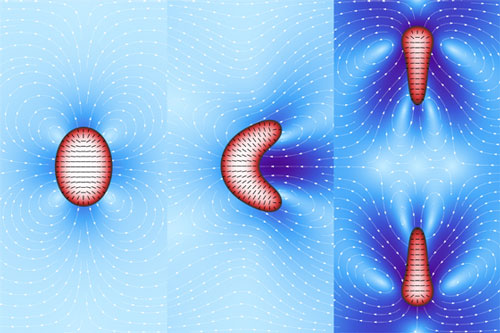
At the origin of cell division
Droplets of filamentous material enclosed in a lipid membrane: these are the models of a 'simplified' cell used by the SISSA physicists Luca Giomi and Antonio DeSimone, who simulated the spontaneous emergence of cell motility and division - that is, features of living material - in inanimate 'objects'.
April 16, 2014 Read more
New technique will accelerate genetic characterization of photosynthesis
Photosynthesis provides fixed carbon and energy for nearly all life on Earth, yet many aspects of this fascinating process remain mysterious. We do not know the full list of the parts of the molecular machines that perform photosynthesis in any organism. A team developed a highly sophisticated tool that will transform the work of plant geneticists on this subject.
April 15, 2014 Read more
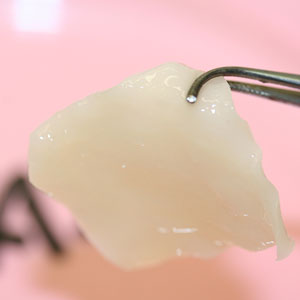
Scientists grow cartilage to reconstruct nose
Scientists at the University of Basel report first ever successful nose reconstruction surgery using cartilage grown in the laboratory. Cartilage cells were extracted from the patient?s nasal septum, multiplied and expanded onto a collagen membrane. The so-called engineered cartilage was then shaped according to the defect and implanted.
April 11, 2014 Read more
Enzyme 'wrench' could be key to stronger, more effective antibiotics
Builders and factory workers know that getting a job done right requires precision and specialized tools. The same is true when you're building antibiotic compounds at the molecular level.
April 10, 2014 Read more