

Cleantech and Environmental News – Latest Headlines
 Subscribe to our Cleantech News feed
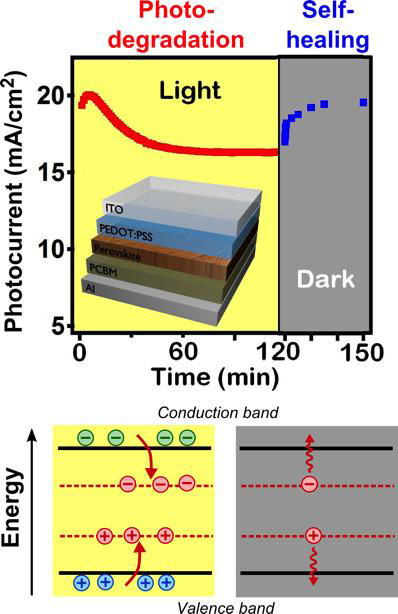
Cooling, time in the dark preserve perovskite solar power
Build-up of unwanted charge found to sap photocurrent.
May 17, 2016 Read more
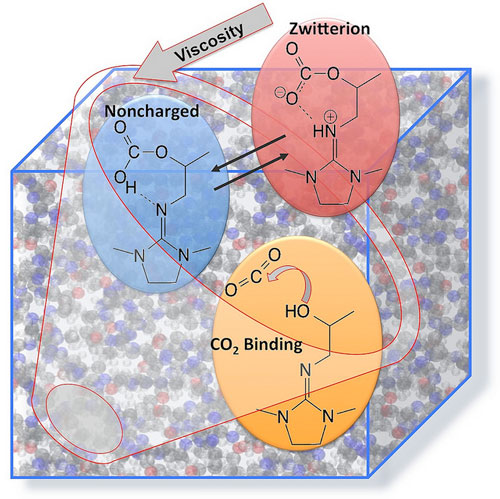
Thinning out the carbon capture viscosity problem
An unexpected finding suggests ways to improve carbon capture materials to clean up fossil fuels.
May 17, 2016 Read more

Radioactive isotopes reveal age of oil and gas wastewater spills
Three new tools will be useful in areas where contamination may be new or old.
May 10, 2016 Read more

Textiles from greenhouse gases filtered from the air
In the near-future, it will be possible to create textile fibers from greenhouse gases filtered from the air. The result? Clothes that reduce the greenhouse effect.
May 10, 2016 Read more

Innovative and energy-efficient: Clean water without chemicals
European Union funds 'Eco-UV' research project with nearly 4 million euros - chemical-free water processing and disinfection of drinking water.
May 9, 2016 Read more

Say cheese: the whey forward in renewable plastics
Whey from cheese production and other agricultural waste can be a valuable raw material for new biodegradable plastic. A European research project is working on using these by-products in laminated cardboard for food packaging.
May 3, 2016 Read more

Environmental impacts of demand-side technologies and strategies for carbon mitigation
Yale journal examines our understanding of implications of energy efficiency technologies.
April 25, 2016 Read more
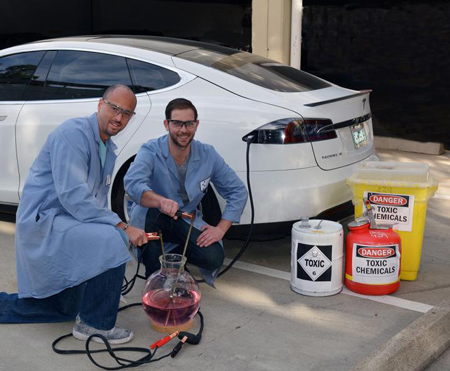
New method enlists electricity for easier, cheaper, greener chemistry
Scientists have found a new and better way to achieve a chemical reaction that is used widely in the pharmaceutical as well as flavor and fragrance industries.
April 21, 2016 Read more
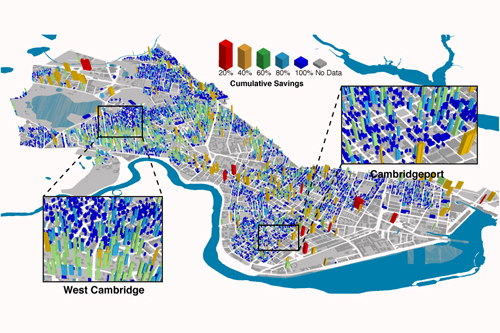
How to make cities more energy efficient
Retrofitting a small portion of buildings would have big impact on cities' carbon emissions.
April 20, 2016 Read more
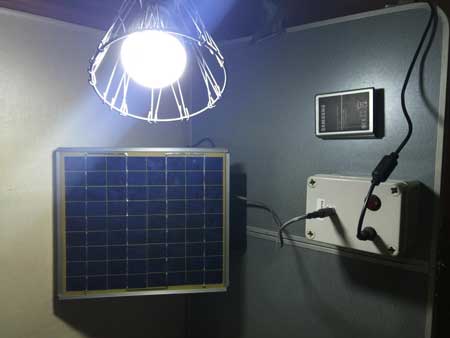
From lighting screens to lighting homes
To cut down on the environmental waste and provide storage for rural communities, researchers have proposed a model for recycling unspent lithium ion batteries from smartphones into energy storage units for solar-powered LED lamps.
April 19, 2016 Read more
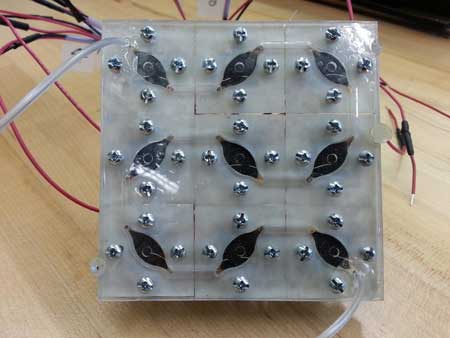
Researchers generate clean energy using bacteria-powered solar panel
For the first time ever, researchers connected nine biological-solar (bio-solar) cells into a bio-solar panel. Then they continuously produced electricity from the panel and generated the most wattage of any existing small-scale bio-solar cells - 5.59 microwatts.
April 11, 2016 Read more

Reducing food waste could help mitigate climate change
About a tenth of overall global greenhouse-gas emissions from agriculture could be traced back to food waste by mid-century, a new study shows. The findings for the first time provides comprehensive food loss projections for countries around the world while also calculating the associated emissions.
April 7, 2016 Read more
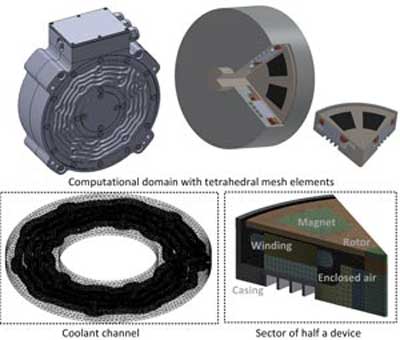
Taking the heat out of energy conversion
A more accurate method of modeling heat generation and transfer in electromagnetic machines could lead to more efficient electric motors.
April 5, 2016 Read more
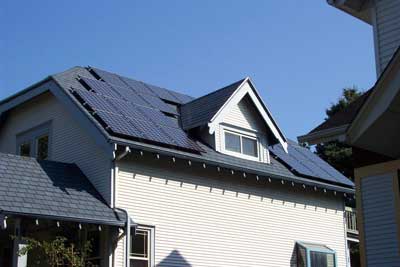
'Community solar' systems may add savings to local, cooperative energy projects
New research indicates that an optimal development of neighborhood solar energy might increase the total electricity produced by 5-10 percent, a significant gain by the standards of solar energy efficiency. At the same time, it can reduce the variability and unpredictability of the solar resource.
March 30, 2016 Read more
Chemists lay groundwork for countless new, cleaner uses of methane
With a new method, a research team has demonstrated the potential to use methane not as a fossil fuel but as a versatile chemical building block with which to make more complex molecules, such as pharmaceuticals and other value-added substances.
March 24, 2016 Read more
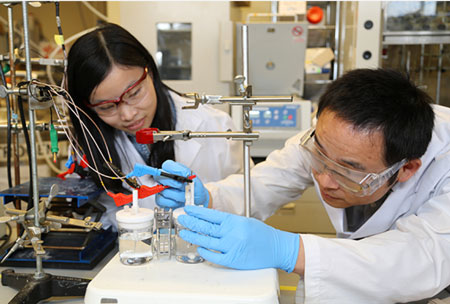
New catalyst offers efficient storage of alternative energies
Research team designs world's most efficient catalyst for storing energy as hydrogen by splitting water molecules.
March 24, 2016 Read more
New carbon capture membrane boasts CO2 highways (w/video)
Novel hybrid materials could lead to cheaper ways to reduce power plant greenhouse gas emissions.
March 24, 2016 Read more
Generating electricity with tomato waste
A team of scientists is exploring an unusual source of electricity - damaged tomatoes that are unsuitable for sale at the grocery store. Their pilot project involves a biological-based fuel cell that uses tomato waste left over from harvests in Florida.
March 16, 2016 Read more