

Biotechnology News – Latest Headlines
 Subscribe to our Biotechnology News feed
Replacing animal testing with accurate in vitro innovations
An EU-funded project has successfully established human stem cell-based in vitro tests, which are capable of replicating the development of the human central nervous system. The innovation could lead to the more accurate and efficient testing of drugs, and importantly lead to a move away from animal testing.
September 30, 2013 Read more
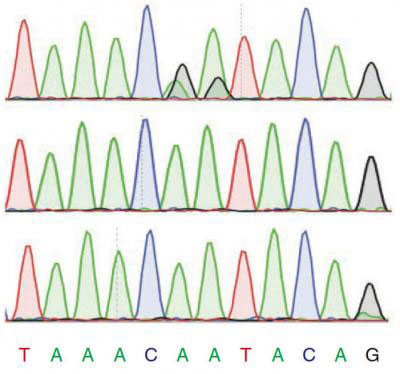
Largest, most accurate list of RNA editing sites
A research team centered at Brown University has compiled the largest and most stringently validated list of RNA editing sites in the fruit fly Drosophila melanogaster, a stalwart of biological research.
September 29, 2013 Read more
First step to reduce plant need for nitrogen fertilizer uncovered
A discovery by a team of University of Missouri researchers could be the first step toward helping crops use less nitrogen, benefitting both farmers' bottom lines and the environment.
September 27, 2013 Read more
Scientists develop a more effective molecular modeling process
A new method to produce accurate computer models of molecules, developed by scientists on the Florida campus of The Scripps Research Institute, combines existing formulas in a kind of algorithmic stew to gain a better picture of molecular structural diversity that is then used to eliminate errors and improve the final model.
September 26, 2013 Read more
Tweaking Mother Nature's chemistry box
Scientists attempt to reengineering enzymes to introduce the methods of nature into industrial chemistry.
September 26, 2013 Read more
Study tests precision of protein 'machine'
Since its discovery, researchers have hailed Cas9 - a protein 'machine' that can be programmed by a strand of RNA to target specific DNA sequences and to precisely cut, paste, and turn on or turn off genes - as a potential key to unlocking a host of new treatments and therapies for genetic conditions, but only if they fully understand how it works.
September 26, 2013 Read more
A key to personalised medicine
ERC Advanced Grant for the chemist Professor Dr. Andreas Marx from Konstanz for research on gene modification.
September 26, 2013 Read more
Engineering liver tissue from embryonic stem cells
The liver, an essential organ, can fail due to disease or abuse. The EU-funded project MICROLIVERMATURATION has found a way to create viable liver cells from embryonic stem cells (ESCs).
September 25, 2013 Read more
Chemists slide a splitting catalyst over DNA for the first time
Chemists from Nijmegen have developed a catalyst that binds to DNA, slides over it and splits the molecule in particular places. The researchers were able to do this by synthetically modifying a natural catalyst.
September 24, 2013 Read more
Scientists produce induced pluripotent stem cells by removing one protein
Reprogramming adult stem cells so that they are like embryonic stem cells has the potential to change medicine; however, the reprogramming process is inefficient and impractical. Now, Dr. Yaqub Hanna has found that removing one protein changes everything, raising the efficiency of this reprogramming from one percent or less to 100 percent.
September 23, 2013 Read more
Algae researchers partner to develop bioactive molecules
Researchers at the Arizona Center for Algae Technology and Innovation and the ASU-led Algae Testbed Public-Private Partnership have made a one-year agreement with Health Enhancement Products, Inc., which investigates and licenses algae-derived, high-value bioactive molecules that benefit human and animal health.
September 23, 2013 Read more
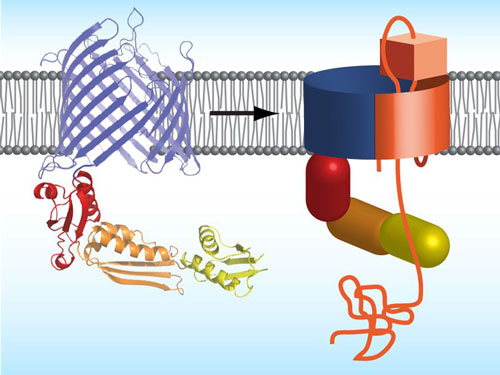
How bacteria integrate autotransporters into their outer membrane
The bacterial outer envelope is densely packed with proteins that form small pores and facilitate the passage of nutrients, toxins and signaling molecules. Professors Timm Maier and Sebastian Hiller from the Biozentrum of the University of Basel now demonstrate how these transporter proteins are integrated into the outer membrane.
September 23, 2013 Read more
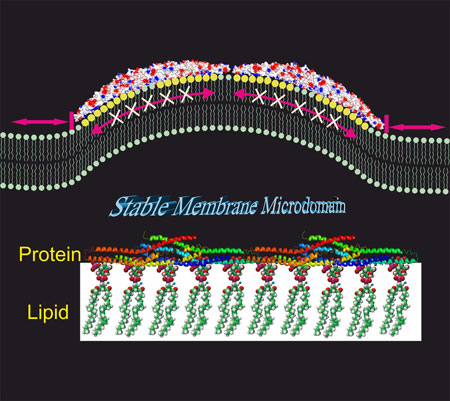
Freeze! A protein group affecting lipid dynamics at cell membranes discovered
Scientists discovered that all BAR domain proteins induce strong clustering of phosphoinositides, which are important lipids involved in regulating protein functions and cellular signalling.
September 23, 2013 Read more
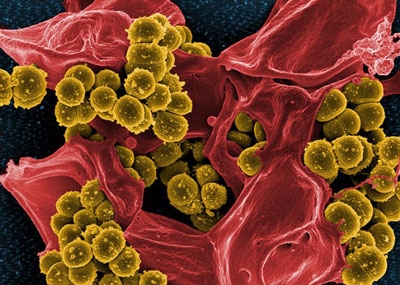
A revolutionary new method for discovering antibiotics
Biologists at the University of California, San Diego have developed a revolutionary new method for identifying and characterizing antibiotics, an advance that could lead to the discovery of new antibiotics to treat antibiotic resistant bacteria.
September 18, 2013 Read more
Bioengineers researching smart cameras and sensors that mimic, exceed human capability
University of California, San Diego bioengineering professor Gert Cauwenberghs has been selected by the National Science Foundation to take part in a five-year, multi-institutional, $10 million research project to develop a computer vision system that will approach or exceed the capabilities and efficiencies of human vision.
September 18, 2013 Read more
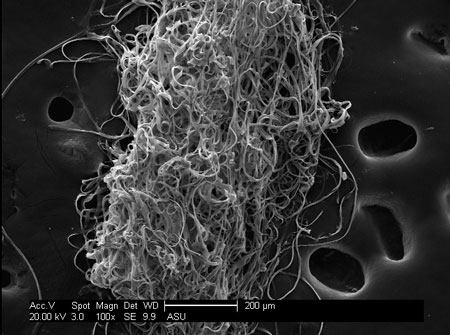
X-ray science taps bug biology to design better materials and reduce pollution
Bug spray, citronella candles, mosquito netting - most people will do anything they can to stay away from insects during the warmer months. But those creepy crawlers we try so hard to avoid may offer substantial solutions to some of life's problems.
September 18, 2013 Read more
Signal gradients in 3-D guide stem cell behavior
Researchers at Case Western Reserve University have developed an easy and versatile way of forming physical and biochemical gradients in three dimensions -- a step toward identifying the recipes that induce stem cells to generate specific tissues, including multiple tissues, such as a bone-cartilage interface. Ultimately, one of their goals is to engineer systems to manipulate stem cells to repair or replace damaged tissues and organs.
September 18, 2013 Read more
Gen9 announces call for entries in annual contest recognizing innovation in synthetic biology
Second Annual G-Prize will award 1 million base pairs of custom designed DNA.
September 17, 2013 Read more