

Biotechnology News – Latest Headlines
 Subscribe to our Biotechnology News feed
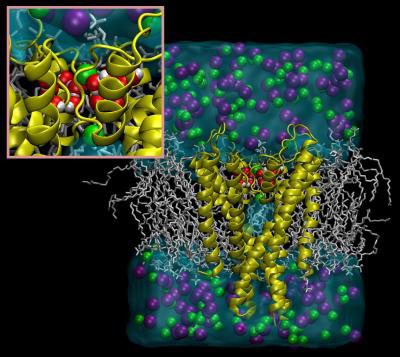
Water molecules control inactivation and recovery of potassium channels
Just 12 molecules of water cause the long post-activation recovery period required by potassium ion channels before they can function again.
July 28, 2013 Read more
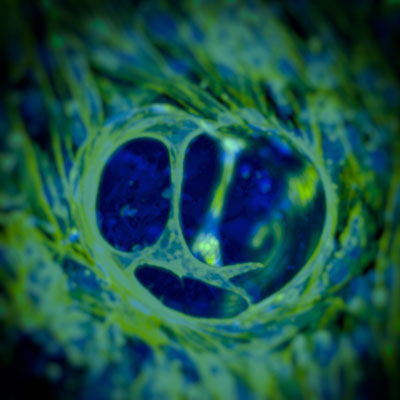
Polymer ribbons for better healing
Researchers develop hydrogels for tissue regeneration that can be fine-tuned to fit any body part.
July 26, 2013 Read more
Broad-scale genome tinkering with help of an RNA guide
Researchers have devised a way to quickly and easily target and tinker with any gene in the human genome. The new tool, which builds on an RNA-guided enzyme they borrowed from bacteria, is being made freely available to researchers who may now apply it to the next round of genome discovery.
July 25, 2013 Read more

Molecular monkey arranges X-chromosome activation
Protein moulds RNA to ensure that activating factors can hold on to it.
July 25, 2013 Read more
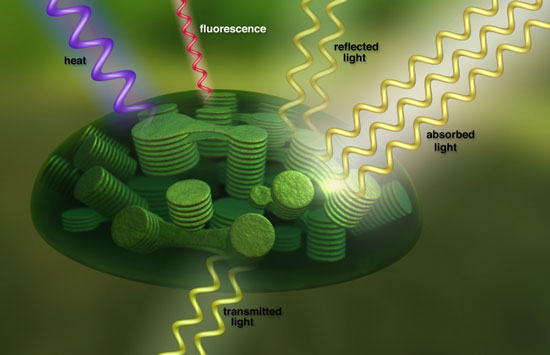
Seeing photosynthesis from space: Scientists use satellites to measure plant health (w/video)
NASA scientists have established a new way to use satellites to measure what's occurring inside plants at a cellular level.
July 24, 2013 Read more
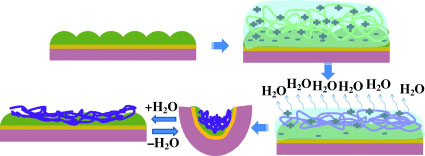
Artificial muscle contracts and expands with changes in humidity
A small plastic strip can do 'weight training' to effortlessly lifts many times its own weight, driven by cyclic changes in the humidity of the surrounding air. This strong 'artificial arm' is based on the interaction between microgels and a layer of polycations that shrinks as it dries.
July 24, 2013 Read more
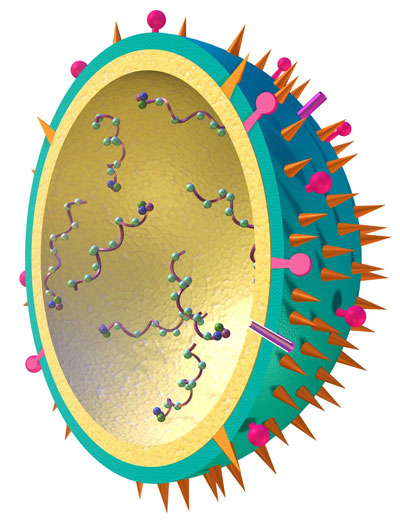
Pressurized virus blasts its infectious DNA into human cells
The virus that causes those painful lip blisters known as cold sores has an internal pressure eight times higher than a car tire, and uses it to literally blast its infectious DNA into human cells, scientists are reporting in a new study.
July 24, 2013 Read more
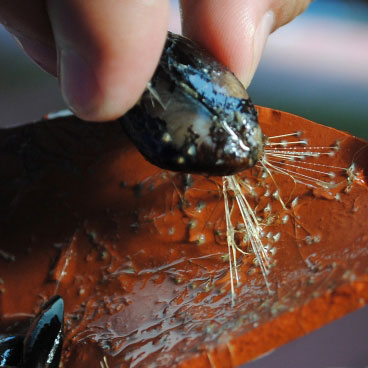
Researchers unravel secrets of mussels' clinginess
Understanding the strength of the shellfish's underwater attachments could enable better glues and biomedical interfaces.
July 23, 2013 Read more
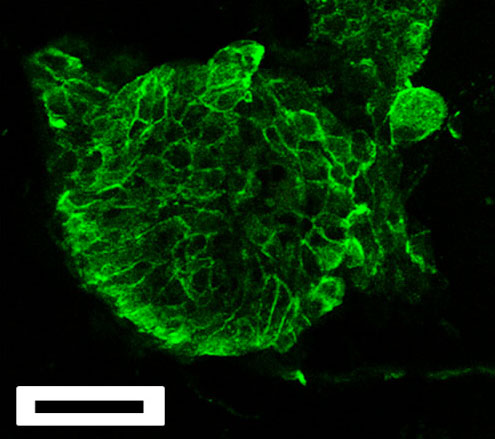
Researchers develop hydrogel for studying deadly brain cancer
Human glioblastoma multiforme, one of the most common, aggressive and deadly forms of brain cancer, is notoriously difficult to study. Now a team of engineers has developed a three-dimensional hydrogel that more closely mimics conditions in the brain than other platforms used to study brain cancer. In a paper in the journal Biomaterials, the researchers describe the new material and their approach, which allows them to selectively tune up or down the malignancy of the cancer cells they study.
July 23, 2013 Read more
Controlling genes with light
New technique can rapidly turn genes on and off, helping scientists better understand their function.
July 23, 2013 Read more
Chips that mimic the brain
Novel microchips imitate the brain's information processing in real time. Neuroinformatics researchers demonstrate how complex cognitive abilities can be incorporated into electronic systems made with so-called neuromorphic chips: They show how to assemble and configure these electronic systems to function in a way similar to an actual brain.
July 22, 2013 Read more
A new method for clicking molecules together
Scientists at EPFL have developed a quick and simple method for connecting and assembling new molecules together, paving a new road for synthetic chemistry, material science, chemical biology, and even drug discovery.
July 22, 2013 Read more
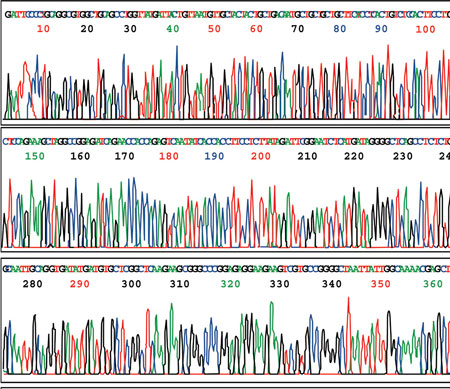
Genome editing becomes more accurate
Improved technique makes it easier to add or delete genes in living cells, with less risk of off-target DNA damage.
July 22, 2013 Read more
A flip of the mitotic spindle has disastrous consequences for epithelial cells
Scientists use genetics and live cell imaging to illuminate molecular mechanisms that position the cell division machinery in growing tissues.
July 21, 2013 Read more
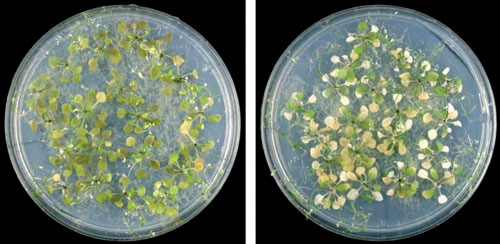
A new tool for engineering crop tolerance
Tolerance of phosphorus limitation in plants is linked to a previously unidentified lipid family.
July 19, 2013 Read more
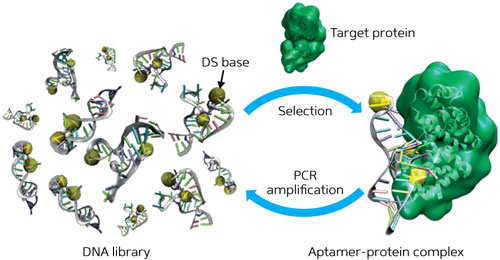
A tighter fit with artificial DNA
An artificial base that enhances the protein-binding affinity and selectivity of DNA expands the DNA machinery.
July 19, 2013 Read more
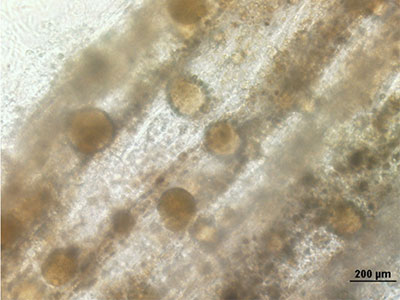
New 3D hair follicle model to accelerate cure for baldness
Hair loss is a common disorder that affects many men and women due to aging or medical conditions. Current FDA-approved drugs can minimize further hair loss but are unable to regrow new hair. The Institute of Bioengineering and Nanotechnology (IBN) has recently engineered a new hair follicle model that could help discover new drugs for hair regeneration.
July 19, 2013 Read more
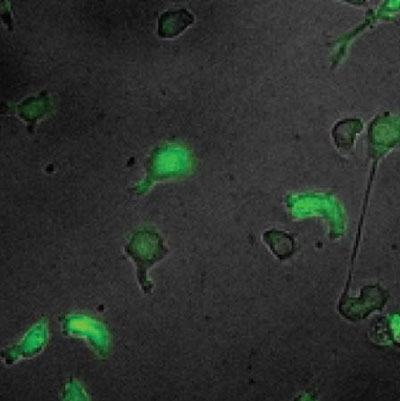
A secret to making macrophages (w/video)
Biologists at the Caltech have worked out the details of a mechanism that leads undifferentiated blood stem cells to become macrophages - immune cells that attack bacteria and other foreign pathogens. The process involves an unexpected cycle in which cell division slows, leading to an increased accumulation of a particular regulatory protein that in turn slows cell division further. The finding provides new insight into how stem cells are guided to generate one cell type as opposed to another.
July 18, 2013 Read more