

Biotechnology News – Latest Headlines
 Subscribe to our Biotechnology News feed
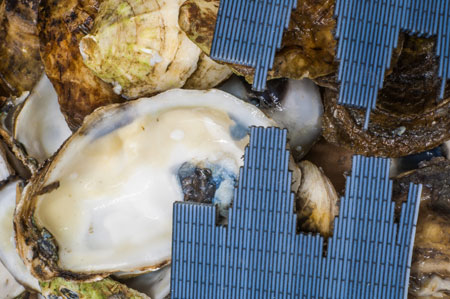
Printing artificial bone
Researchers develop method to design synthetic materials and quickly turn the design into reality using computer optimization and 3-D printing.
June 17, 2013 Read more
Mapping translation sites in the human genome
Researchers at Arizona State University's Biodesign Institute have produced the first genome-wide investigation of cap-independent translation, identifying thousands of mRNA sequences that act as Translation Enhancing Elements (TEEs), which are RNA sequences upstream of the coding region that help recruit the ribosome to the translation start site.
June 17, 2013 Read more
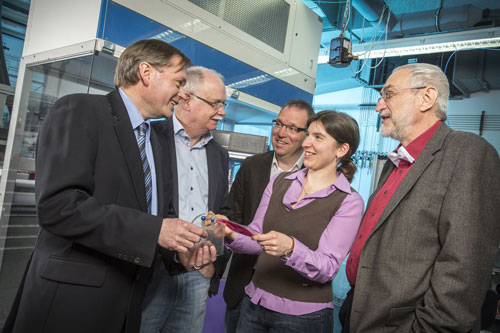
Plasma in a bag
Plastic bags coated by plasma at atmospheric pressure serve as a GMP laboratory for the cultivation of adherent cells. The plasma is used to modify the internal surface of the bag specifically, so that different cell types can grow on it.
June 17, 2013 Read more
New findings regarding DNA damage checkpoint mechanism in oxidative stress
Researchers have uncovered a previously unknown surveillance mechanism, known as a DNA damage checkpoint, used by cells to monitor oxidatively damaged DNA. DNA repair takes place approximately 10,000 times per cell, per day, through processes that are still only partially understood because of their complexity, speed, and the difficulty of studying complex interactions within living cells.
June 14, 2013 Read more
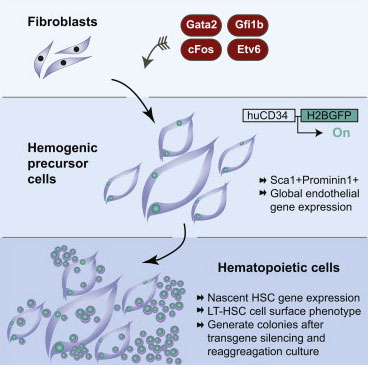
Researchers succeed in programming blood forming stem cells
By transferring four genes into mouse fibroblast cells, researchers at the Icahn School of Medicine at Mount Sinai have produced cells that resemble hematopoietic stem cells, which produce millions of new blood cells in the human body every day. These findings provide a platform for future development of patient-specific stem/progenitor cells, and more differentiated blood products, for cell-replacement therapy.
June 13, 2013 Read more
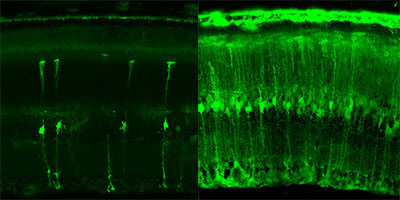
Inserting genes into eye cells to restore sight
Researchers at UC Berkeley have developed an easier and more effective method for inserting genes into eye cells that could greatly expand gene therapy to help restore sight to patients with blinding diseases ranging from inherited defects like retinitis pigmentosa to degenerative illnesses of old age, such as macular degeneration.
June 13, 2013 Read more
Polymers protect enzymes
Scientists have devised a method that enables enzymes to remain active for a longer time on their journey through the gastro-intestinal tract. This might help to treat food intolerances in the future.
June 12, 2013 Read more
When calculating the thermodynamics of cell growth, you might want to reconsider using the Gibbs free energy equation
A forthcoming article provides the basis for an argument against using the Gibbs free energy equation to accurately determine the thermodynamics of microbial growth.
June 10, 2013 Read more
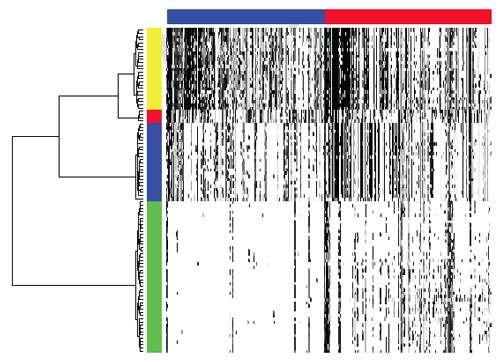
Math technique de-clutters cancer-cell data, revealing tumor evolution, treatment leads
Scientists published a mathematical method of simplifying and interpreting genome data bearing evidence of mutations, such as those that characterize specific cancers. Not only is the technique highly accurate; it has immediate utility in efforts to parse tumor cells, in order to determine a patient's prognosis and the best approach to treatment.
June 7, 2013 Read more
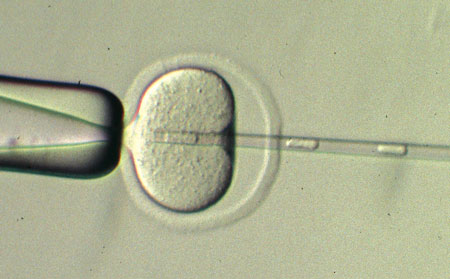
Building an army of one
By boosting cloning efficiency, scientists unlock the potential to 'mass-produce' valuable animal strains for research and agricultural applications.
June 7, 2013 Read more
Surgeons implant bioengineered vein
In a first-of-its-kind operation in the United States, a team of doctors at Duke University Hospital helped create a bioengineered blood vessel and implanted it into the arm of a patient with end-stage kidney disease.
June 6, 2013 Read more
Researchers identify a new gene that is essential for nuclear reprogramming
Scientists report on the discovery of a new gene called TRF1 that is essential for nuclear reprogramming.
June 6, 2013 Read more
New screening technique paves the way for protein drugs from bacteria
A cheaper, more efficient technique for developing complex protein drugs from bacteria has been developed at the University of Sheffield.
June 5, 2013 Read more
Biology's drive toward engineering
Biology is on the verge of getting its versions of the lever, wheel and axle, pulley and other basic machines that enable engineers to build almost any mechanical device, a new analysis has concluded.
June 4, 2013 Read more
Molecular switch for cheaper biofuel
Genetic engineers have found a trick, thanks to which fungi can be used for the production of biofuels far more cost effectively than before.
June 3, 2013 Read more
Computer simulations help scientists understand HIV-1 infection
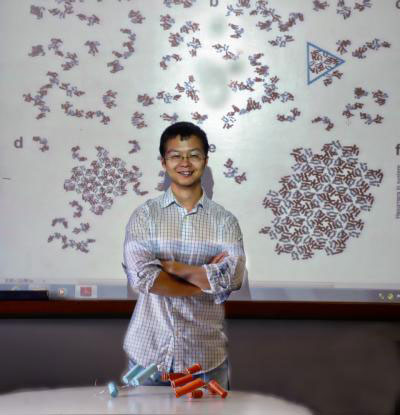
Scientists have long been unable to fully explain how infections attack the body, but now a team of researchers, including one from the University of Central Florida, has taken a step closer to understanding how the process works in HIV-1. The results mean that one day that knowledge may prevent infection.
May 30, 2013 Read more
Researchers identify novel approach to create red blood cells, platelets in vitro
Finding could reduce need for blood donations, speed up research on therapies to treat diseases.
May 30, 2013 Read more
Micelle microscopy
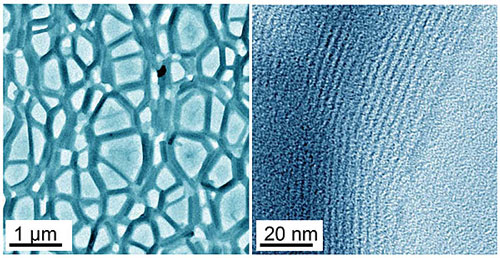
First view of micellar bundles revealed by EMSL electron microscopy tools, techniques.
May 29, 2013 Read more