

Biotechnology News – Latest Headlines
 Subscribe to our Biotechnology News feed
Biological tooth replacement from gum cells
New research describes an advance in efforts to develop a method to replace missing teeth with new bioengineered teeth generated from a person's own gum cells.
March 18, 2013 Read more
Scientists watch skin-derived neural cells develop into brain cells
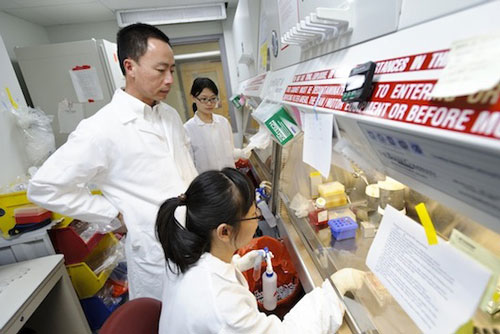
For the first time, scientists have transplanted neural cells derived from a monkey's skin into its brain and watched the cells develop into several types of mature brain cells, according to the authors of a new study in Cell Reports. After six months, the cells looked entirely normal, and were only detectable because they initially were tagged with a fluorescent protein.
March 17, 2013 Read more
Launch of the Chinese-German Center for Bio-Inspired Materials
The researchers will be able to work closely together on projects in the field of regenerative medicine, an area with a promising future. The aim is to use the strategy of marine animals to develop novel bio-inspired bone replacement materials and medications to ameliorate osteoporosis.
March 14, 2013 Read more
Bootstrapping biotechnology: Engineers cooperate to realize precision grammar for programming cells
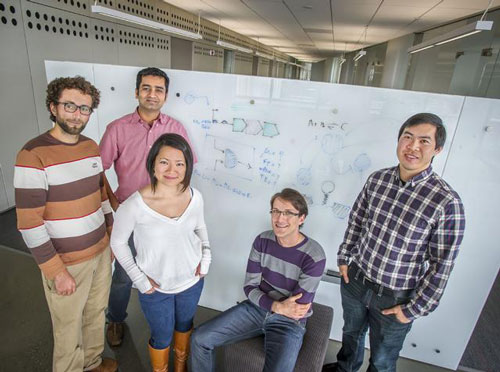
An unprecedented collaboration among academia, industry, government and civil society has resulted in the launch of a professional-grade collection of public domain DNA parts that greatly increases the reliability and precision by which biology can be engineered.
March 14, 2013 Read more
Predictability: The brass ring for synthetic biology
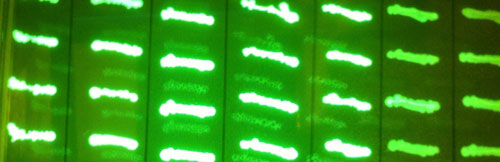
Predictability is often used synonymously with "boring", as in that story or that outcome was soooo predictable. For practioners of synthetic biology seeking to engineer valuable new microbes, however, predictability is the brass ring that must be captured. Researchers with the multi-institutional partnership known as BIOFAB have become the first to grab at least a portion of this ring by unveiling a package of public domain DNA sequences and statistical models that greatly increase the reliability and precision by which biological systems can be engineered.
March 13, 2013 Read more
The world's first artificial silk fiber made of recombinant spider silk proteins
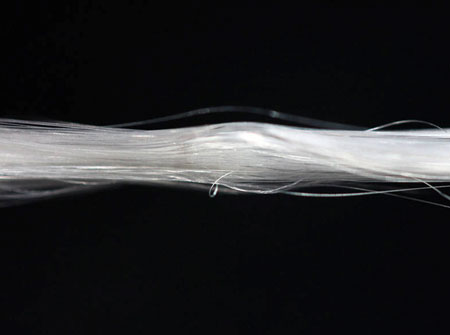
AMSilk, a spin-off of the Technische Universitaet Muenchen (TUM), has produced the world's first artificial silk fiber that is entirely made of recombinant spider silk proteins. The fiber's tensile strength is comparable to that of natural spider silk, which led to the name Biosteel.
March 13, 2013 Read more

Biochemical engineering: Waste not, want not
A simple fermentation treatment can convert a by-product of biofuel production into a valuable chemical feedstock for a wide range of biomedical products
March 13, 2013 Read more
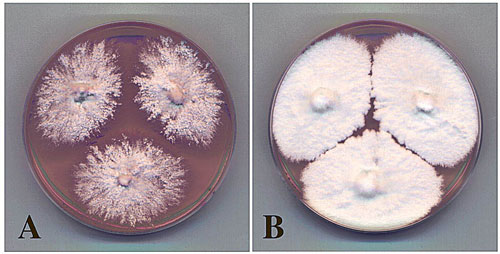
Fungi may be able to replace plastics one day (w/video)
Fungi, with the exception of shitake and certain other mushrooms, tend to be something we associate with moldy bread or dank-smelling mildew. But they really deserve more respect. Fungi have fantastic capabilities and can be grown, under certain circumstances, in almost any shape and be totally biodegradable. And, if this weren't enough, they might have the potential to replace plastics one day. The secret is in the mycelia.
March 12, 2013 Read more
Synthetic biology project takes flight
The grant will fund a collaborative project that will seek to use synthetic biology - the design and construction of biological devices and systems - to more effectively create proteins, such as those used in drug manufacture.
March 11, 2013 Read more
Selectively manipulating protein modifications
Protein activity is strictly regulated. Incorrect or poor protein regulation can lead to uncontrolled growth and thus cancer or chronic inflammation. Researchers have identified enzymes that can regulate the activity of medically important proteins. Their discovery enables these proteins to be manipulated very selectively, opening up new treatment methods for inflammations and cancer.
March 11, 2013 Read more
Researchers developing 3D printer, 'bio-ink' to create human organs (w/video)
Group sees such initiatives bringing new life to U.S. manufacturing.
March 7, 2013 Read more
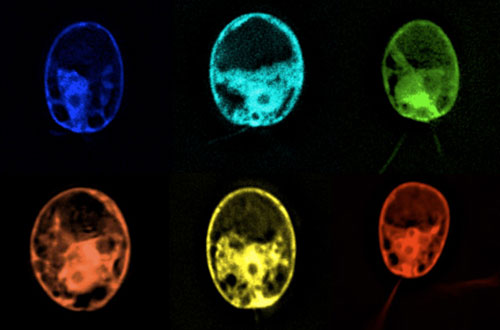
Biologists produce rainbow-colored algae
What can green algae do for science if they weren't, well, green? That's the question biologists at UC San Diego sought to answer when they engineered a green alga used commonly in laboratories, Chlamydomonas reinhardtii, into a rainbow of different colors by producing six different colored fluorescent proteins in the algae cells.
March 7, 2013 Read more
Organizing enzymes to create electricity
Assistant professor receives $360,000 grant for research with potential applications in biofuel cells, pharmaceuticals and commodity chemicals.
March 7, 2013 Read more
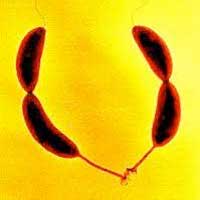
New insight into double-protected dance of cell division
Biochemists at the University of Massachusetts Amherst recently gained new insight into how protein synthesis and degradation help to regulate the delicate ballet of cell division. In particular, they reveal how two proteins shelter each other in "mutually assured cleanup" to insure that division goes smoothly and safely.
March 6, 2013 Read more
Advance in re-engineering photosynthesis to make drugs, compounds or ingredients
Scientists are reporting an advance in re-engineering photosynthesis to transform plants into bio-factories that manufacture high-value ingredients for medicines, fabrics, fuels and other products.
March 6, 2013 Read more
The movement of proteins
Cristian Micheletti, a scientist of the International School for Advanced Studies of Trieste (SISSA), has published in Physics of Life Reviews a review on an innovative instrument for protein analysis, a method for which Micheletti and his research team are a reference point for the international scientific community.
March 5, 2013 Read more
New eco-safe antibacterial fibre could be used in fabrics and water purification
Researchers at KTH Royal Institute of Technology have discovered an antibacterial polymer that can be used in everyday products such as sportswear, diapers and bandages, without causing resistant bacteria.
March 5, 2013 Read more
Cell movement explained by molecular recycling
Scientists at The University of Manchester have identified the method by which cells control the recycling of molecules, a process that is essential for them to move. The discovery provides researchers with a better understanding of how our bodies heal wounds.
March 1, 2013 Read more