

Biotechnology News – Latest Headlines
 Subscribe to our Biotechnology News feed
Researchers develop innovative gene-silencing biotechnology to advance aquaculture with prawns
Sustainable technique does not add chemicals, hormones or create genetically modified organisms.
December 4, 2012 Read more
Crucial step in AIDS virus maturation simulated for first time
Using computational techniques, researchers have shown how a protein responsible for the maturation of the virus releases itself to initiate infection.
December 4, 2012 Read more
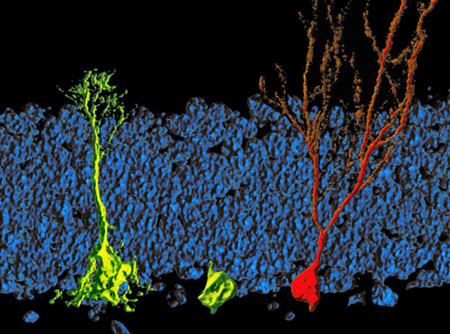
Lipid metabolism regulates the activity of adult neural stem cells
Neural stem cells in the adult brain boost their levels of lipid metabolism to grow and generate new neurons. This new finding may open novel therapeutic avenues to treat age- or disease-associated loss of brain cells.
December 4, 2012 Read more
Corn: Many active genes - high yield
Researchers at the University of Bonn investigate one of the oldest mysteries of plant breeding.
December 3, 2012 Read more
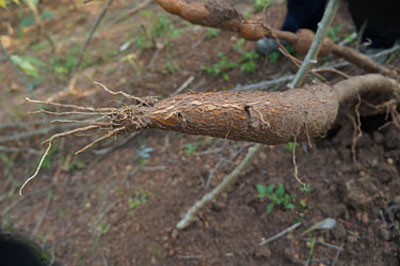
New $25 million grant will improve cassava breeding
To improve the productivity of cassava - a rough and ready root crop that has long been the foundation of food security in Africa -- and plant breeding in sub-Saharan Africa, the Bill & Melinda Gates Foundation and the Department for International Development of the United Kingdom have awarded Cornell $25.2 million to host a five-year research project.
December 1, 2012 Read more
Supreme Court to decide if human genes can be patented
The Supreme Court announced Friday it will decide whether companies can patent human genes, a decision that could reshape medical research in the United States and the fight against diseases like breast and ovarian cancer.
December 1, 2012 Read more
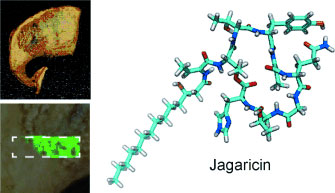
From rotting mushroom to drug?
Bacterial virulence factor of mushroom soft rot identified. The substance called jagaricin could represent a starting point for the development of new antifungal drugs.
November 29, 2012 Read more
Rules devised for building artificial, ideal protein molecules from scratch
By following a set of principles, scientists can produce protein molecules that previously did not exist in nature.
November 29, 2012 Read more
Traceability of modified foods in the EU and beyond
A huge EU consortium joined forces to develop tools for managing the co-existence of genetically modified (GM) foods and conventional ones in the EU market. The traceability provided should be critical to consumer confidence.
November 29, 2012 Read more

International team generates major breakthrough in deciphering bread wheat's genetic code
Scientists from the United States, United Kingdom and Germany recently completed the first analysis of the bread wheat genome, one of the "big three" global crops upon which mankind depends for nutrition.
November 29, 2012 Read more
European Food Safety Authority rejects report linking GM corn to cancer
Serious defects in the design and methodology of a paper by Séralini et al. mean it does not meet acceptable scientific standards and there is no need to re-examine previous safety evaluations of genetically modified maize NK603. These are the conclusions of separate and independent assessments carried out by the European Food Safety Authority (EFSA) and six EU Member States.
November 28, 2012 Read more
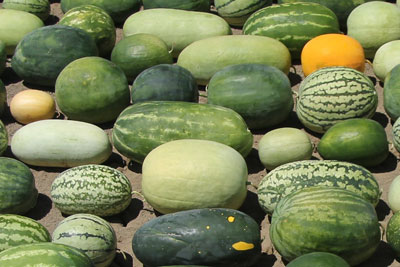
Decoded genome paves way for better watermelons
Sweeter and more disease-resistant watermelons just may be on their way, thanks to an international consortium of more than 60 scientists that has just published the genome sequence of watermelon (Citrullus lanatus).
November 27, 2012 Read more
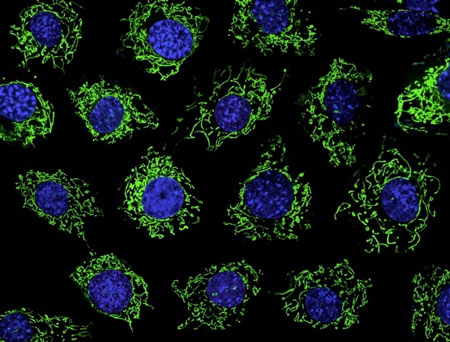
Researchers discover what keeps a cell's energy source going
Scientists discovered last month an essential mechanism that regulates the flow of calcium into mitochondria. They found that the mitochondrial protein MICU1 is required to establish the proper level of calcium uptake under normal conditions.
November 27, 2012 Read more
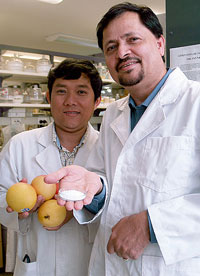
New technology to revolutionise fresh fruit industry
Researchers at the University of Queensland have developed a technology that will dramatically improve the safety, efficiency and effort involved in controlled ripening of fruit.
November 27, 2012 Read more
Breakthrough could help optimize capture of sugars for biofuels
Scientists at the U.S. Department of Energy's National Renewable Energy Laboratory (NREL) and the BioEnergy Science Center (BESC) combined different microscopic imaging methods to gain a greater understanding of the relationships between biomass cell wall structure and enzyme digestibility, a breakthrough that could lead to optimizing sugar yields and lowering the costs of making biofuels.
November 27, 2012 Read more
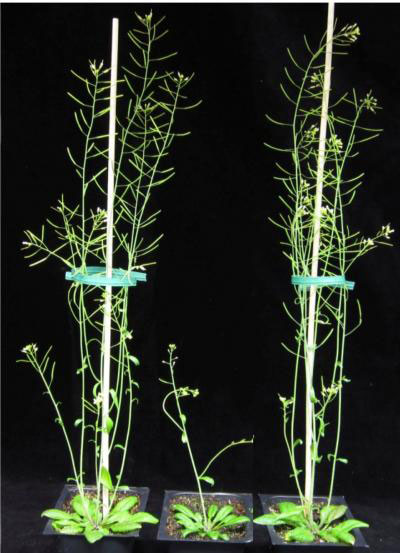
Engineering plants for biofuels
With increasing demands for sustainable energy, being able to cost-efficiently produce biofuels from plant biomass is more important than ever. However, lignin and hemicelluloses present in certain plants mean that they cannot be easily converted into biofuels. A recent study appears to have solved this problem, using gene manipulation techniques to engineer plants that can be more easily broken down into biofuels.
November 26, 2012 Read more
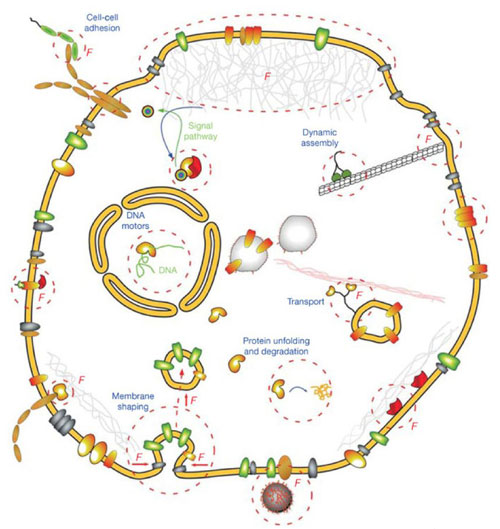
Using computational biology for the annotation of proteins
Scientists in Spain employed computational techniques to improve the characterization of proteins. The system they developed has allowed them to predict, for example, the relationship between two human proteins and telomeres, which led to their possible implication in cellular aging and the development of cancer; this awaits experimental verification.
November 26, 2012 Read more
New synthetic biomaterials promote neuroregeneration after a brain injury
New research has shown that these types of implants, made of a biocompatible synthetic material, are colonized within two months by neural progenitor cells and irrigated by new blood vessels.
November 26, 2012 Read more