

Biotechnology News – Latest Headlines
 Subscribe to our Biotechnology News feed
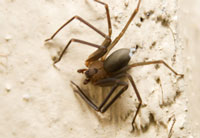
Analysing spider venom
A European project investigated the effect of brown spider venom on the structure and biophysical properties of cellular membranes. By using state-of-the-art fluorescent techniques, scientists succeeded in directly visualising venom-induced changes in cells.
November 25, 2012 Read more
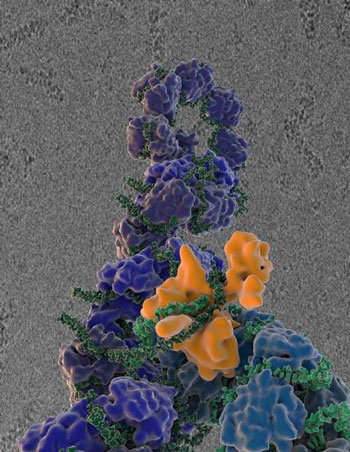
Scientists describe elusive replication machinery of flu viruses
Scientists at The Scripps Research Institute (TSRI) have made a major advance in understanding how flu viruses replicate within infected cells. The researchers used cutting-edge molecular biology and electron-microscopy techniques to "see" one of influenza's essential protein complexes in unprecedented detail.
November 25, 2012 Read more

Rapeseed oil gets biotech boost
In an experiment performed on oilseed rape, scientists use RNAi suppression as a tool to switch off the enzyme responsible for oil breakdown, specifically for the duration of seed development. This results in the accumulation of around 8% more oil in the seed.
November 25, 2012 Read more
An international competition reaffirms the potential of bioinformatics in the diagnosis of disease
A team led by IRB Barcelona's David Rossell and Patrick Aloy and by Anaxomics Biotech ranked among the best in the world for diagnosing and classifying patients in a blind test for four diseases.
November 23, 2012 Read more
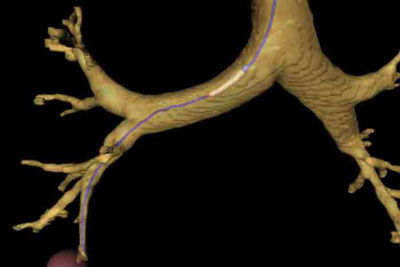
Biomedical engineering: technology that drives medical advances
Systems to improve patient rehabilitation, methods that help detect diseases, and smart biomaterials for optimising treatments - scientific advances in the field of biomedical engineering are unstoppable. A number of leading UPC teams are carrying out research aimed at harnessing technology to improve people's health.
November 22, 2012 Read more
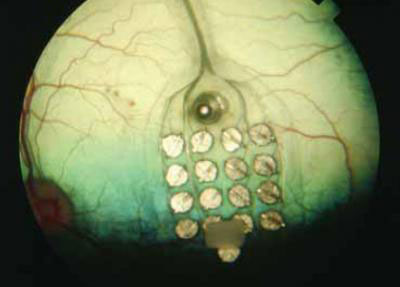
Blind patient reads words stimulated directly onto the retina
For the very first time researchers have streamed braille patterns directly into a blind patient's retina, allowing him to read four-letter words accurately and quickly with an ocular neuroprosthetic device.
November 22, 2012 Read more
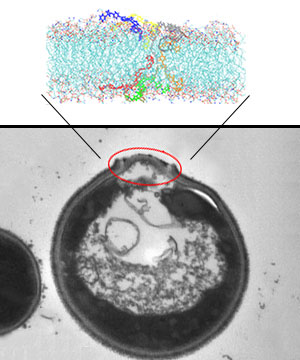
Antibiotics: The plastic approach
Our antibiotic armory is set to benefit from the development of short-chain synthetic polymers with potent efficacy against multidrug-resistant microbes.
November 21, 2012 Read more

Microbiology: Eavesdropping on bacterial conversations
A signaling receptor that aids bacterial communication may provide a target for reducing virulence without antibiotics.
November 21, 2012 Read more
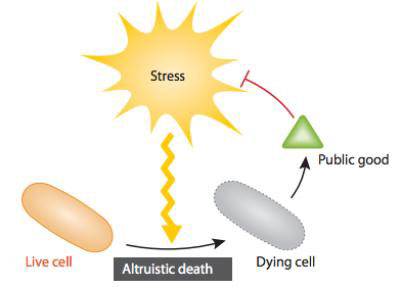
Engineered bacteria can make the ultimate sacrifice
Scientists have engineered bacteria that are capable of sacrificing themselves for the good of the bacterial population. These altruistically inclined bacteria can be used to demonstrate the conditions where programmed cell death becomes a distinct advantage for the survival of the bacterial population.
November 20, 2012 Read more
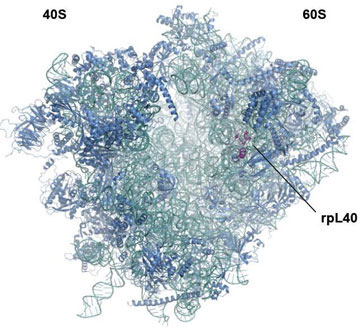
Ribosomes - More than a machine
Ribosome regulates viral protein synthesis, revealing potential therapeutic target.
November 20, 2012 Read more
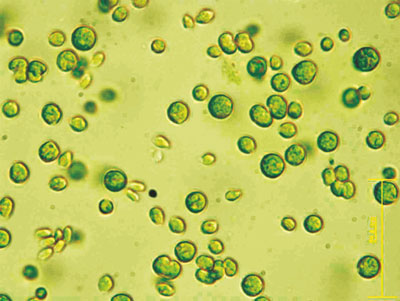
Algae can draw energy from other plants
Scientists have confirmed for the first time that a plant, the green alga Chlamydomonas reinhardtii, not only engages in photosynthesis, but also has an alternative source of energy: it can draw it from other plants. This finding could also have a major impact on the future of bioenergy.
November 20, 2012 Read more
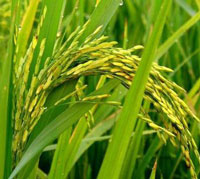
Unlocking ancient rice secrets to overcome rainfall extremes
Researchers from the UK, USA and India, led by scientists at the University of York, are embarking on a major four-year project which aims to develop new strains of rice to help to feed millions of people.
November 20, 2012 Read more
Some cells don't know when to stop (w/video)
Certain mutated cells keep trying to replicate their DNA - with disastrous results - even after medications rob them of the raw materials to do so.
November 19, 2012 Read more
Biotech developments signal new breakthrough
The PEPCHIPOMICS project, which is supported by the Seventh Framework Programme for Research and Technological Development (FP7) of the European Union, is aimed at synthesising and reading very high-density peptide microarrays.
November 19, 2012 Read more
Pear genome provides new insight into breeding improvement and evolutionary trace analysis
An international research team led by Nanjing Agricultural University and BGI, has completed the first genomic sequence of pear by an approach using the combination of BAC-by-BAC strategy and next-gen sequencing. The pear genome not only provides an invaluable new resource for breeding improvement of this important crop, but also sheds new light on the genome evolution and other genome-wide comparative studies.
November 19, 2012 Read more
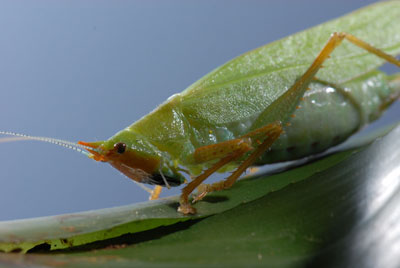
Discovery could hold the key to super-sensory hearing
The discovery of a previously unidentified hearing organ in the South American bushcrickets' ear could pave the way for technological advancements in bio-inspired acoustic sensors research, including medical imaging and hearing aid development.
November 16, 2012 Read more
Scientists gets grant to develop 'designer bacteria'
The money will help researchers in the Institute of Molecular, System and Cell Biology at the University of Glasgow to simplify the process of designing, building, testing and modifying biological systems like bacteria for a variety of useful purposes.
November 15, 2012 Read more
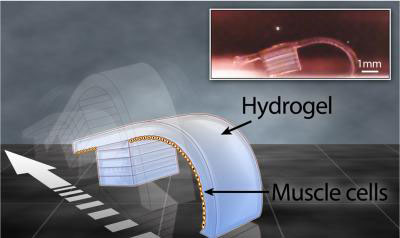
These bots were made for walking: Cells power biological machines
They're soft, biocompatible, about 7 millimeters long ? and, incredibly, able to walk by themselves. Miniature "bio-bots" developed at the University of Illinois are making tracks in synthetic biology.
November 15, 2012 Read more