

Biotechnology News – Latest Headlines
 Subscribe to our Biotechnology News feed
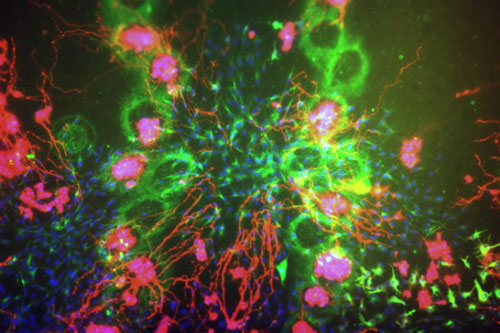
New ink formulated to print living human tissue
Scientists are one step closer to being able to print tissue replacements for diseased or damaged body parts using inkjet printers, thanks to the development of a specialised ink formulation.
November 15, 2012 Read more
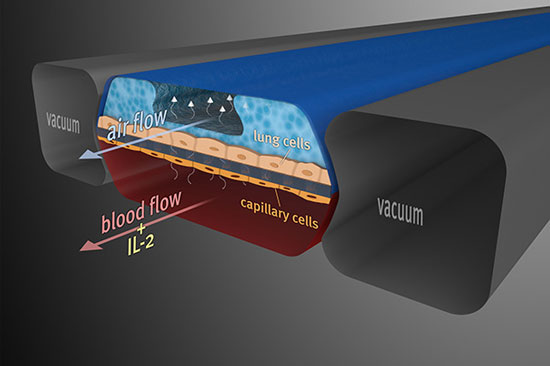
New way to model human disease
Researchers at the Wyss Institute for Biologically Inspired Engineering at Harvard University have mimicked pulmonary edema in a microchip lined by living human cells. They used this "lung-on-a-chip" to study drug toxicity and identify potential new therapies to prevent this life-threatening condition.
November 15, 2012 Read more
Pig gene discovery could help combat animal and human disease
Insights into the genetic code of pigs that reveal how the species evolved could improve the health of animals in future.
November 14, 2012 Read more
Biofactory introduces kits for assessment of protein-DNA interactions, targeting researchers and industry
Based on a unique technology developed by A*STAR Singapore, these inventive and easy-to-use kits are versatile, effective and quick in the screening for modulators of protein-DNA interactions, as well as quality control (QC) analysis of transcription factor production.
November 14, 2012 Read more
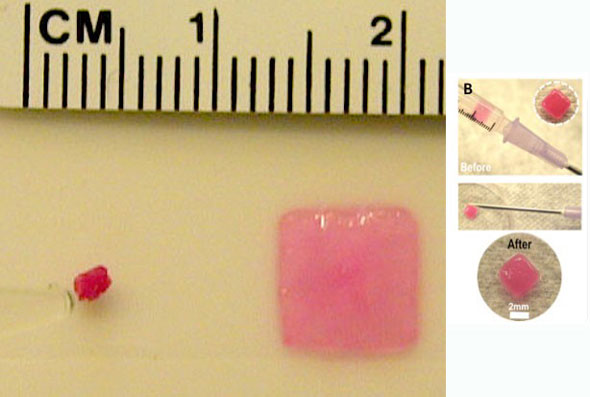
Injectable sponge delivers drugs, cells, and structure
Bioengineers at Harvard have developed a gel-based sponge that can be molded to any shape, loaded with drugs or stem cells, compressed to a fraction of its size, and delivered via injection. Once inside the body, it pops back to its original shape and gradually releases its cargo, before safely degrading.
November 13, 2012 Read more
Study sheds light on genetic 'clock' in embryonic cells
International collaboration reveals timing mechanism in formation of vertebrae.
November 13, 2012 Read more
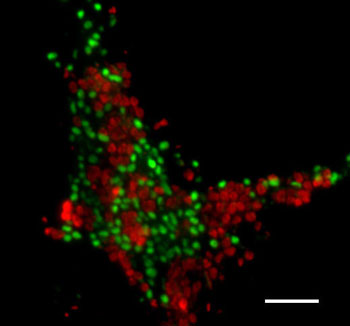
Scientists unravel the mystery of marine methane oxidation
Researchers uncover how microorganisms on the ocean floor protect the atmosphere against methane.
November 12, 2012 Read more
Nottingham part of GBP 20m investment for UK synthetic biology
In a move that could potentially revolutionise major UK industries and help us to meet serious social and environmental challenges, the Biotechnology and Biological Sciences Research Council (BBSRC) has announced an unprecedented GBP 20m worth of synthetic biology projects.
November 12, 2012 Read more
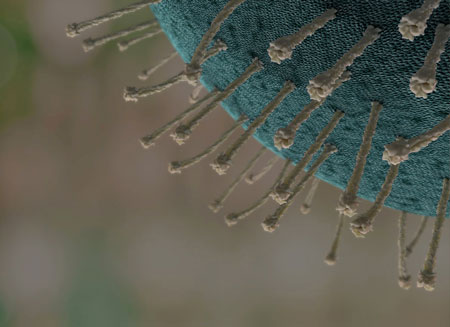
How bacteria attack their host cells with sticky lollipops
Tübingen and Berlin scientists investigate pathogens by help of solid-state nuclear magnetic resonance spectroscopy.
November 12, 2012 Read more
Scientists discover new method of gene identification
Scientists studying the genes and proteins of human cells infected with a common cold virus have identified a new gene identification technique that could increase the genetic information we hold on animals by around 70 to 80 per cent. The findings could revolutionise our understanding of animal genetics and disease, and improve our knowledge of dangerous viruses such as SARS that jump the species barrier from animals to humans.
November 12, 2012 Read more
Researchers develop light-based 'remote control' for proteins inside cells
Scientists at Stanford University have developed an intracellular remote control: a simple way to activate and track proteins, the busiest of cellular machines, using beams of light.
November 8, 2012 Read more
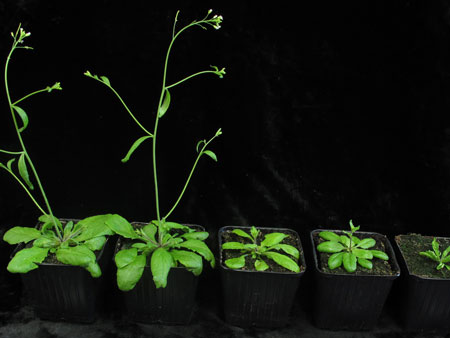
Micro RNAs in plants: Regulation of the regulator
A phosphate switch to fine-tune the protein production in the cells.
November 8, 2012 Read more
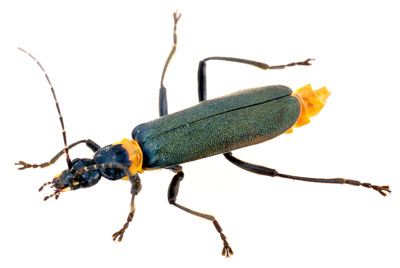
Gene find turns soldier beetle defence into biotech opportunity
New antibiotic and anti-cancer chemicals may one day be synthesised using biotechnology, following CSIRO?s discovery of the three genes that combine to provide soldier beetles with their potent predator defence system.
November 8, 2012 Read more

Chocolate genome research good for farmers, environment, sweet lovers
With the help of information technology (IT), Penn State professor Mark Guiltinan makes the world a sweeter place.
November 7, 2012 Read more
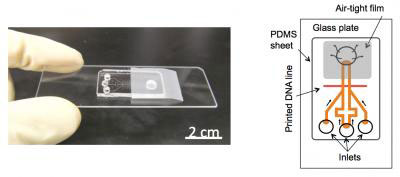
New portable device enables RNA detection from ultra-small sample in only 20 minutes
A new power-free microfluidic chip developed by researchers at the RIKEN Advanced Science Institute (ASI) enables detection of microRNA from extremely small sample volume in only 20 minutes. By drastically reducing the time and quantity of sample required for detection, the chip lays the groundwork for early-stage point-of-care diagnosis of diseases such as cancer and Alzheimer's.
November 7, 2012 Read more
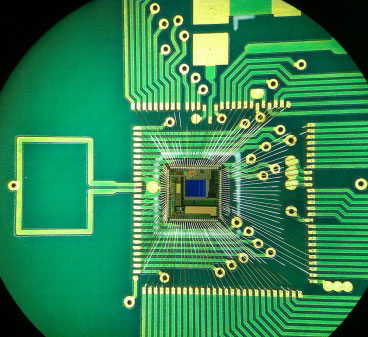
Medical devices powered by the ear itself
For the first time, researchers power an implantable electronic device using an electrical potential - a natural battery - deep in the inner ear.
November 7, 2012 Read more
A test method for the measurement of soil microbial diversity
The doctoral dissertation of Milja Vepsäläinen, M.Sc. (microbiology), prepared at the Finnish Environment Institute, involved developing a test pattern designed to measure soil biological diversity. The aim is to measure the activity potential of enzymes produced by soil microbes.
November 7, 2012 Read more
The latest findings in molecular evolution
A team of scientists researching the effect of long-term molecular evolution (the study of DNA, RNA and proteins) have produced findings which suggest most amino-acid substitutions have different fitness effects in different species. This is an important breakthrough as there is now evidence to show that a genetic background determines whether a modification, which is the main factor regulating evolution at the level of proteins, is beneficial, harmful or inconsequential.
November 6, 2012 Read more