

Biotechnology News – Latest Headlines
 Subscribe to our Biotechnology News feed
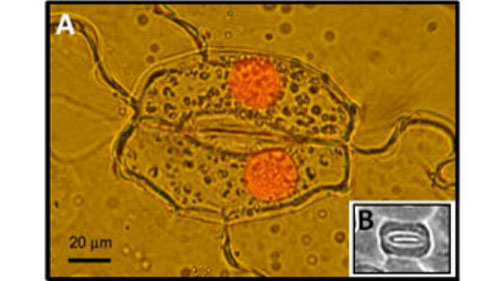
Genome evolution and carbon dioxide dynamics
Using the size of guard cells in fossil plants to predict how much DNA each cell contained (the genome size), researchers have discovered that variations in genome sizes over geological time correlate with atmospheric carbon dioxide levels.
October 24, 2012 Read more
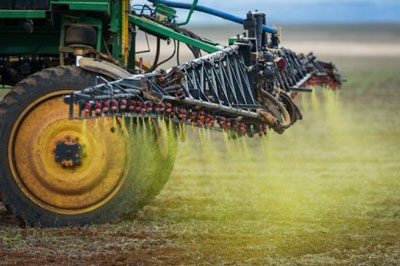
Greenpeace warns EU off herbicide-tolerant GM crops (w/video)
Global environmental watchdog Greenpeace launched a new report Monday warning the European Union against authorising herbicide-tolerant genetically engineered (HTGE) crops, saying they would lead to herbicide-resistant super-weeds.
October 22, 2012 Read more
Evolution of new genes captured
Like job-seekers searching for a new position, living things sometimes have to pick up a new skill if they are going to succeed. Researchers from the University of California, Davis, and Uppsala University, Sweden, have shown for the first time how living organisms do this.
October 19, 2012 Read more
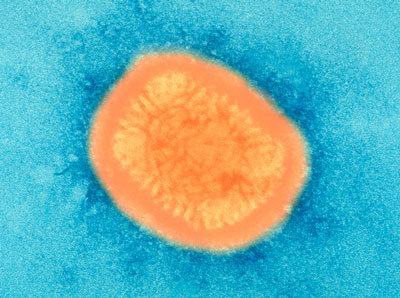
Virus exploits cellular waste disposal system
ETH-researchers demonstrate how vaccinia virus manipulates the cellular waste-disposal system and thereby cleverly tricks the cell into assisting the intruders replication. Now, the virologists have turned the tables, using inhibitors of this cellular waste-disposal system as a way to block virus infection.
October 18, 2012 Read more
New technique for sorting live cells may expedite biomedical research (w/video)
Researchers from North Carolina State University and University of North Carolina at Chapel Hill have developed a new technique that uses sound waves to rapidly separate selected collections of cells for use in biomedical research.
October 17, 2012 Read more
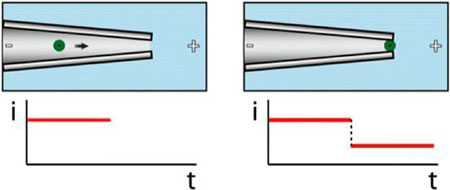
Researchers develop new method for detection of specific DNA sequences
The detection of specific DNA sequences is central to the identification of disease-causing pathogens and genetic diseases, as well as other activities. But current detection technologies require amplification by polymerase chain reaction (PCR), fluorescent or enzymatic labels, and expensive instrumentation.
October 1, 2012 Read more
Bioengineers design rapid diagnostic tests inspired by nature
By mimicking nature's own sensing mechanisms, bioengineers at UC Santa Barbara and University of Rome Tor Vergata have designed inexpensive medical diagnostic tests that take only a few minutes to perform.
September 27, 2012 Read more
Researchers identify biochemical functions for most of the human genome (w/video)
New map finds genetic regulatory elements account for 80 percent of our DNA.
September 5, 2012 Read more
Biomass characterization technology
Biomass recalcitrance - the problem of how to break down complex plant-based cellulosic feedstock into sugars that can be fermented to produce sustainable biofuels and other renewable biobased products - can be overcome through improved methods of biomass characterization.
August 29, 2012 Read more
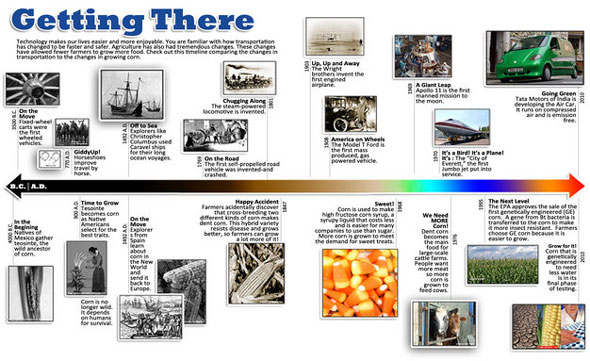
History of agricultural biotechnology: How crop development has evolved
Have you ever wondered where our agricultural crops come from? And what were they like thousands of years ago, or hundreds of years ago? Our food crops today are in fact very different from the original wild plants from which they were derived.
August 23, 2012 Read more
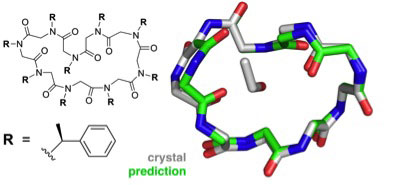
A team of scientists move toward rational design of artificial proteins
Past efforts to predict protein structure have met with limited success, but now a scientific team led by Glenn Butterfoss, and Barney Yoo, research scientists at New York University, in collaboration with investigators from the U.S. Department of Energy?s Lawrence Berkeley National Laboratory (Berkeley Lab), Stony Brook University and Temple University have demonstrated that a computer modeling approach similar to one used to predict protein structures can accurately predict peptoid conformation as well.
August 21, 2012 Read more
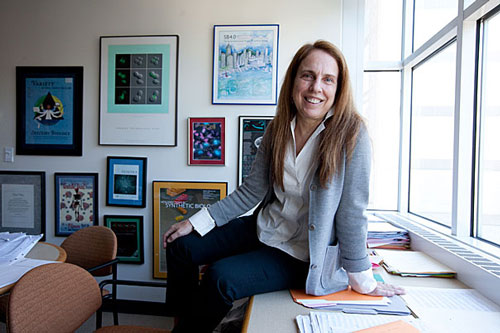
Our synthetic future
Harvard Medical School professor leads effort to streamline biological engineering.
August 20, 2012 Read more
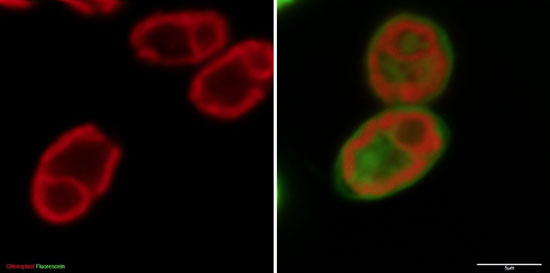
Scientists develop new way to study inner workings of algae cells
Molecular transporter could advance development of algae-based biofuels, pharmaceuticals
August 20, 2012 Read more
Teaching a microbe to make fuel
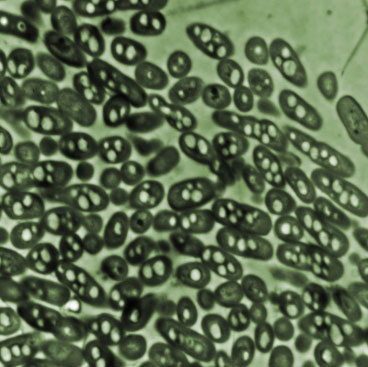
Scientists at MIT have taught a microbe a new trick: They've tinkered with its genes to persuade it to make fuel - specifically, a kind of alcohol called isobutanol that can be directly substituted for, or blended with, gasoline.
August 20, 2012 Read more
Viruses with integrated gene switch
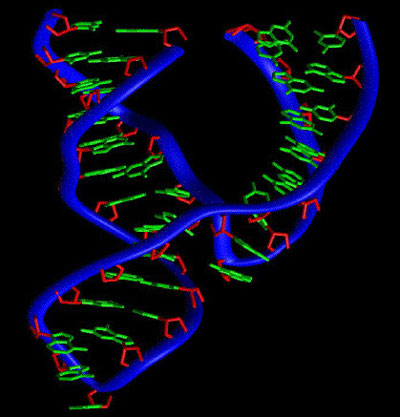
Scientists of the German Cancer Research Center have developed 'RNA switches' which allow them to specifically turn on and off genes in viruses. This will help to enhance regulation of gene therapy and viral therapy of cancer.
August 20, 2012 Read more
Upgrading synthetic biology's toolkit
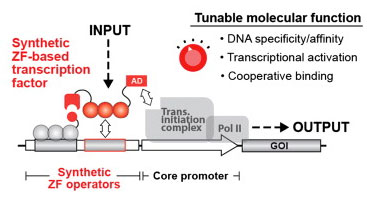
A new method could significantly increase the number of genetic components in synthetic biologists? toolkit and, as a result, the size and complexity of the genetic circuits they can build.
August 17, 2012 Read more
Writing the book in DNA
Using next-generation sequencing technology and a novel strategy to encode 1,000 times the largest data size previously achieved in DNA, a Harvard geneticist encodes his book in life's language.
August 17, 2012 Read more
Synthetic biology article collections published by the Public Library of Science
This collection aims to highlight PLOS ONE's role in the emerging interdisciplinary field of synthetic biology.
August 17, 2012 Read more